At least eleven people have been killed and a dozen others wounded after gunmen opened fire at a football field in the central Mexican city of Salamanca. The deadly assault occurred on Sunday evening following a local match, with the city's mayor, Cesar Prieto, confirming the grim toll in a public statement on social media.
A 'Regrettable and Cowardly' Assault
Mayor Prieto described the incident as a "regrettable and cowardly" attack that took place in the Loma de Flores community during a social gathering. Among the twelve individuals injured were a woman and a child, highlighting the indiscriminate nature of the violence. The mayor further characterised the event as a "severe social breakdown," underscoring the profound impact on the local community.
Wave of Violence in Guanajuato
"This incident adds to a wave of violence that we are sadly experiencing in the state, and particularly in Salamanca," Prieto added in his remarks. He asserted that criminal groups are attempting to subjugate local authorities, but vowed that such efforts would not succeed. The state of Guanajuato, where Salamanca is located, is widely regarded as one of the most dangerous regions in Mexico, frequently plagued by organised crime and gang-related violence.

Investigation and Security Response
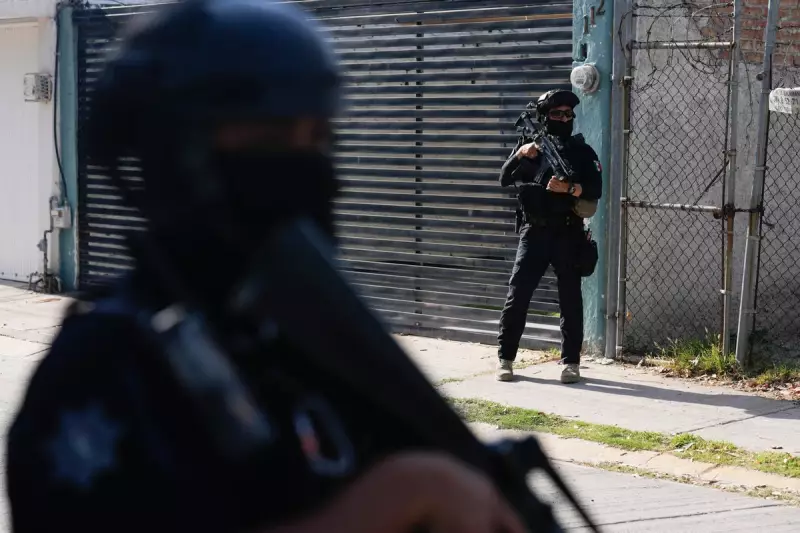
The office of the attorney general in Guanajuato has launched a formal investigation into the attack. In an official statement, the office confirmed it is coordinating efforts with municipal, state, and federal authorities to strengthen security in the area, protect citizens, and apprehend the perpetrators. "Those responsible will be found," Mayor Prieto emphasised in his Facebook post, reflecting a determined stance from local leadership.
Context of Ongoing Insecurity
The shooting at the football field is a stark reminder of the persistent security challenges facing many parts of Mexico. Such public, violent incidents disrupt community life and instil fear among residents. The attack in Salamanca follows a pattern of violence that has seen criminal groups target public spaces, further complicating law enforcement efforts and community safety initiatives across the region.