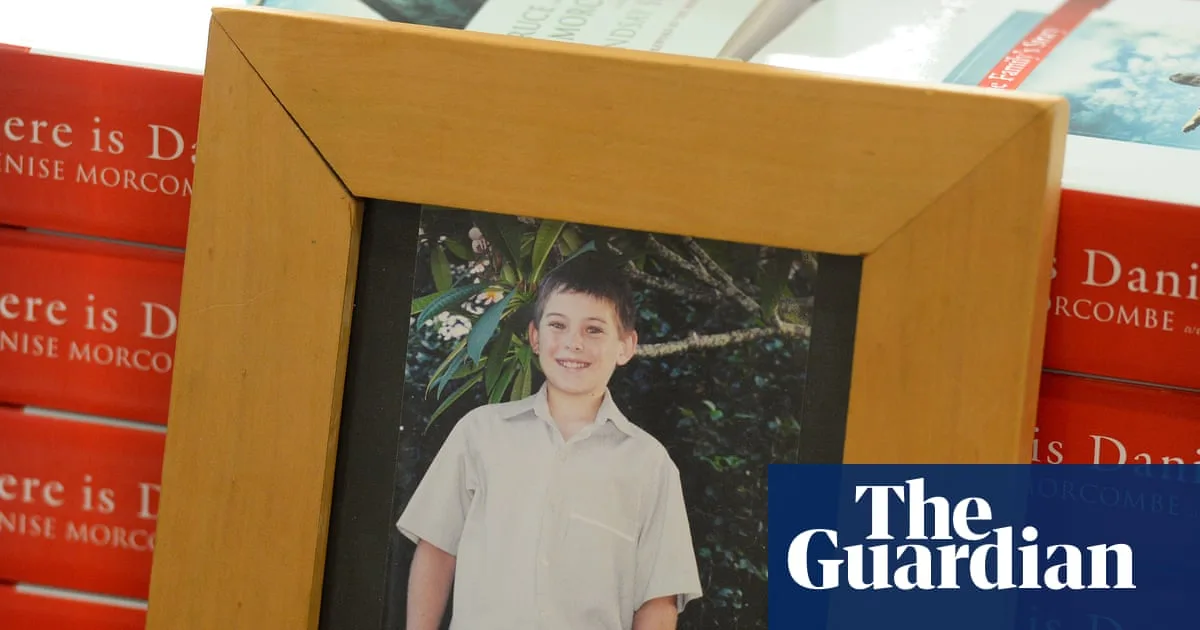
Queensland has become the second Australian state to create a public register of some child sex offenders, after the state parliament passed legislation named ‘Daniel’s law’ in memory of murdered 13-year-old Daniel Morcombe. The law allows parents to check if a person with unsupervised contact with their child is a convicted sexual offender, and enables police to publish images of offenders who have breached reporting requirements.
Daniel’s parents, Bruce and Denise Morcombe, who have campaigned for a national register for over a decade, expressed hope that other states would follow. “If Queensland has an accessible child sex offenders register, and you are one of those monsters, probably on Friday you’d be packing your bags and heading to a state that doesn’t have a register,” Bruce Morcombe said.
The register has three tiers: a public website for offenders whose whereabouts are unknown; a system allowing residents to view facial images of offenders in their suburb; and a query system for parents and guardians. Three new offences will prevent misuse of information and vigilantism, which Police Minister Dan Purdie said “will not be tolerated”.

However, child sexual abuse prevention service Bravehearts warned the register risked giving parents a “false sense of security”, noting that only 6% of convicted child sexual offenders were included in Western Australia’s similar scheme. It cited research showing most offences are committed by people never convicted, and that such registers have “no effect on recidivism”.
Bravehearts recommended adopting the circles of support and accountability model, which a 2018 study showed reduced recidivism by 88% in Minnesota. Experts have previously noted Australia has among the world’s weakest child sexual abuse prevention systems.