Panic in Sarajevo and a Desperate Flight
When strange uniformed men surrounded Sarajevo, panic set in and Aaisha Izetbegović knew she had to return to the farming village where she was raised. Even then, she assumed the authorities would resolve the situation. But what followed was a journey that brought her to the brink of death before she found refuge in Manchester.
Aaisha, whose name has been changed to protect her identity, was still a teenager when fighting erupted in Bosnia in May 1992. The outbreak led to years of intense conflict between Bosnian Serbs, Bosnian Muslims, and Bosnian Croats, who had once stood united under Yugoslavia. The war caused the displacement of Bosnian Muslims, known as Bosniaks, who were systematically imprisoned, tortured, starved, and murdered by Serbian paramilitary troops.
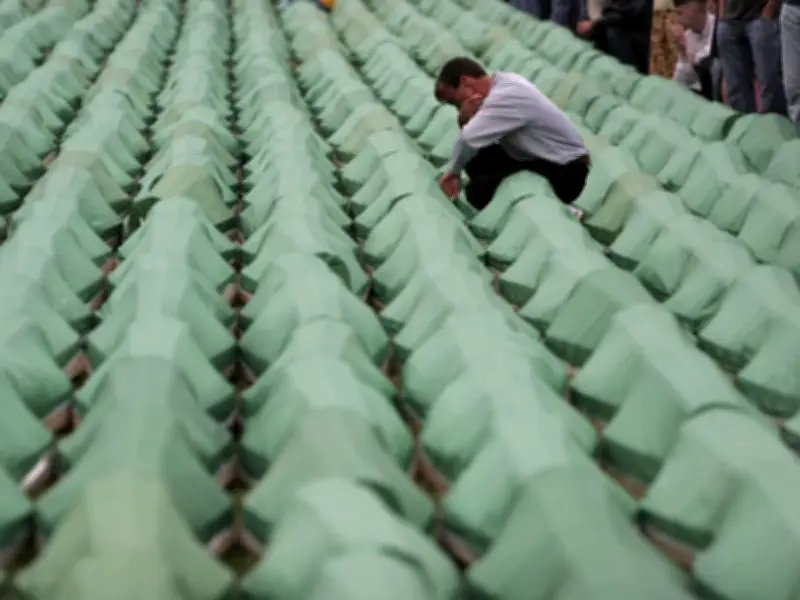
The conflict culminated in the largest mass murder on European soil since World War Two, when over 8,000 Bosnian Muslim men and boys were captured and executed in Srebrenica in July 1995.

A Sheltered Life Turned to Survival
Before the atrocities began, Aaisha lived what she described as a 'sheltered life.' She grew up in a tight-knit farming village in the northeast, where life was 'simple and beautiful with very, very hard work.' But the sounds of cattle were soon replaced by the wailing of widows as news of the dead trickled in.
'Virtually [within two weeks] it became clear what was happening in Bosnia,' she said. 'Now your days are all about waiting to die. That’s what life was like, you just die. From all sides, the Serbs had advanced and towns close to us were getting attacked. Then we had locals who were dispersed amongst villages and who themselves had become members of the paramilitary, so we were surrounded.'
Aaisha stayed with her elderly mother, who was already severely ill. The pair spent months counting the days until soldiers would reach them, scavenging for food, and waving goodbye to family members brave enough to venture off.
Escape to Manchester and Lingering Trauma
She told the Manchester Evening News: 'Everyday was like one big, same day. Like a very bad dream. We were starving, more refugees started flocking in, more people that we knew were dying and more towns had fallen. You couldn’t think of humanity anymore, you were just thinking about death.'
One of the lucky few who escaped Bosnia before things worsened, an opportunity arose that allowed Aaisha to flee to western Europe, eventually arriving in Manchester. But it came at a cost: leaving behind her mother. Frightened, malnourished, and traumatised, she arrived in the city in 1992, spending a few weeks living in a Cheetham Hill mosque, visited daily by good Samaritans.
Now in her early 50s, the mother of two has built a life for herself, but the nightmares persist. 'Trauma is hard to heal from. The body keeps the score,' she explained. 'They didn’t kill me physically, I survived. Allah and my mother made sure I did. But they killed me inside. Life after that is hard. It’s only by Allah’s grace that I have some psychological function still. It damages you irreparably, you never see the world the same ever again.'
Finding Courage to Speak Out
'How can you be safe when people you lived with and brought food to when you were a little girl, came to kill you? How’re you going to forget about the evil that resides within men?'
For years, Aaisha told the MEN she has been too traumatised to retell her story. However, on the 31st anniversary of the genocide, she mustered the courage to recount her journey under the guise of anonymity. Reflecting on finally opening up, she said: 'I’ve tried my best not allow myself to ever use the pain that was caused to me to harm anybody else. What would that achieve? You can only change the world for the better if you don’t return to the evil that was done to you.'
To mark 31 years since the Srebrenica Genocide, Cheadle Masjid and Stockport Council held an event on July 10 to honour the thousands of victims executed by Serbian forces in July 1995. The event featured testimonies from members of the Bosnian community, children sharing messages of hope, and words from community leaders.