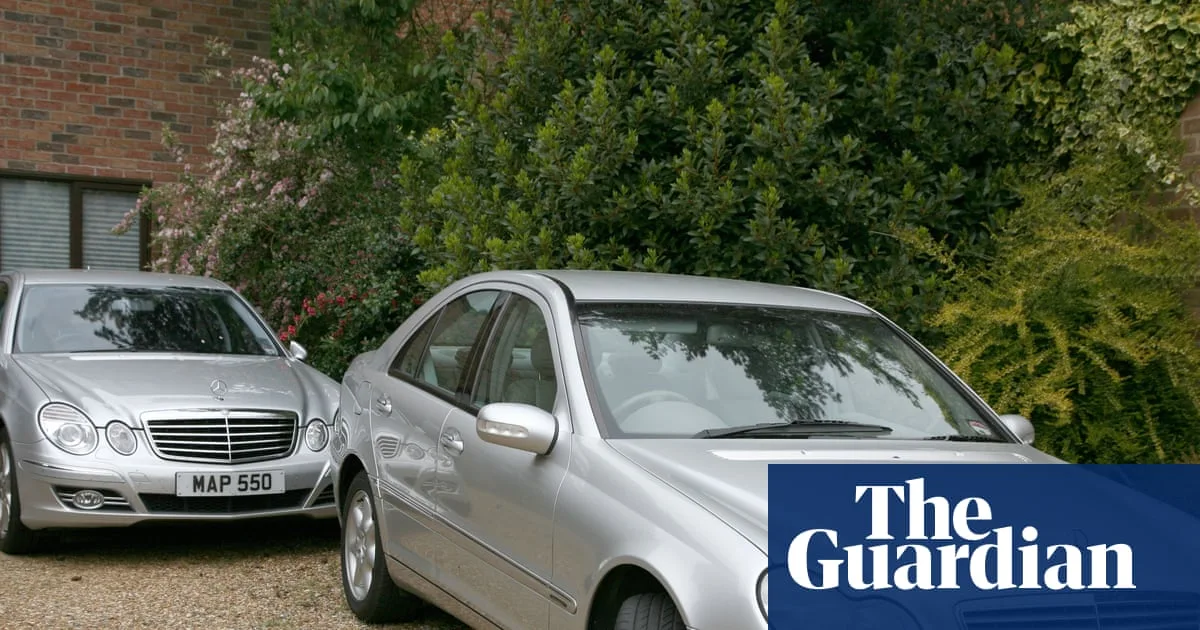
Number Plate Cloning Crisis: 1,000 Drivers Monthly Falsely Fined
Number Plate Cloning Crisis: 1,000 Drivers Fined Monthly

Number Plate Cloning Epidemic Hits UK Drivers

Almost 1,000 drivers each month are being incorrectly fined due to criminals cloning their vehicle number plates and committing offences in their name. This alarming trend has seen a sharp rise, with victims often facing penalties for incidents occurring hundreds of miles from their homes.

Record Reports to DVLA Highlight Growing Problem

Last year, a record 11,394 motorists reported to the DVLA that their registration plates had been copied. This represents a 9% increase from the 10,463 cases reported the previous year and a staggering 54% surge from the 7,377 incidents recorded in 2020. The scam involves criminals fitting fake plates to their vehicles, leading to parking tickets, speeding fines, and other violations being wrongly attributed to innocent drivers.

Jack Cousens, head of roads policy at the AA, stated: "The rise in drivers having their plates cloned is concerning and more needs to be done to tackle the issue. A key problem remains the apparent ease of buying plates, particularly online, without the need to submit proof of ownership."

Wide Pickt banner — collaborative shopping lists app for Telegram, phone mockup with grocery list

Online Sales and Low Costs Fuel Criminal Activity

Experts warn that the simplicity of purchasing number plates online has created a system where criminals operate with minimal risk, while law-abiding citizens are left to prove their innocence. Fake plates can be acquired for as little as £30, with fines for their use sometimes as low as £100, making it a low-cost, high-reward crime.

Police suspect that organised gangs use cloned plates to conceal their movements from ANPR cameras, which monitor vehicles across the UK's road network. This tactic is believed to be employed by drug dealers, terrorist plotters, dangerous drivers, and other criminals to evade detection. The introduction of more clean air zones and restricted traffic areas has further increased the value of cloned plates to offenders.

Severe Cases Lead to Registration Changes

In 163 extreme cases last year, the DVLA permitted victims to change their registration numbers to halt the influx of fines. A report by the All-Party Parliamentary Group for Transport Safety recommended that the number of licensed plate sellers should be "significantly" reduced from the current figure of nearly 35,000.

Labour MP Sarah Coombes commented: "Those selling these illegal plates have gone under the radar for far too long but now they have been rumbled. I hope the government cracks down on them."

Victim Experiences and Official Responses

Sue Whitehead from Camberley, Surrey, shared her ordeal: "It feels like your identity is being taken away and it took me a long time to prove that it wasn't me involved in any criminal actions." She was saddled with hundreds of pounds in fines after someone cloned her plate and drove around London in a different vehicle.

A spokesperson for the National Police Chiefs’ Council emphasised: "Displaying cloned number plates is a criminal act and will only be done with criminal motives in mind. Policing is working closely with partner agencies including DVLA and Trading Standards to determine the scale of the threat and the most effective tactics to tackle this issue."

The DVLA added: "We understand how distressing vehicle crime can be. Any motorist who believes their number plate has been cloned should report it to the police and contact the issuing authority for any fines or penalties, providing evidence that the vehicle involved was not theirs. We take number plate crime very seriously and are working closely with the police, Trading Standards, the National Police Chiefs’ Council and other government departments to improve identification of cloned plates."

The Government's recent Road Safety Strategy acknowledges plate cloning as a growing problem and is consulting on higher penalties to deter such behaviour, highlighting the urgent need for regulatory action to protect drivers from this escalating fraud.

Pickt after-article banner — collaborative shopping lists app with family illustration