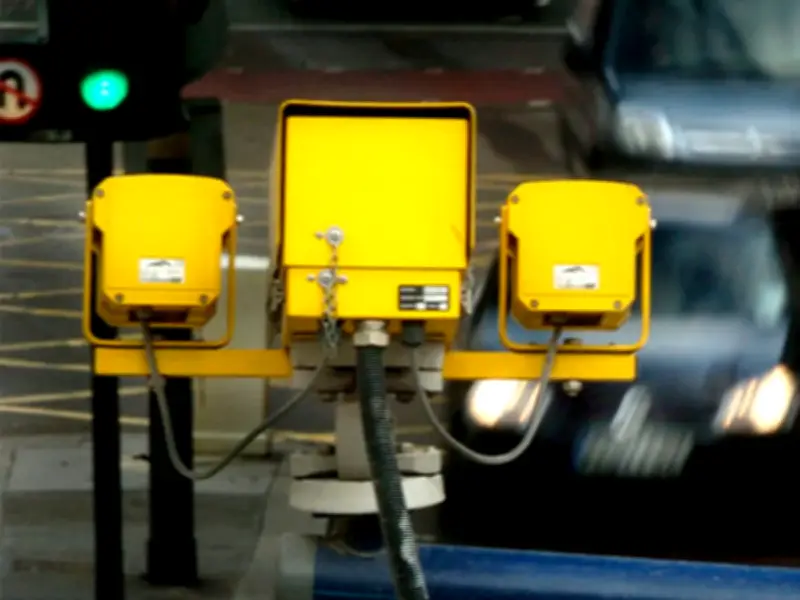
Modern average speed cameras are highly precise, and two older tactics drivers once used to avoid fines will no longer work, according to a motoring legal expert. Shazia Ali, a specialist from Scarsdale Solicitors, said tactics designed to evade older standalone Gatso cameras — such as braking sharply right before the lens or changing lanes — are completely ineffective against modern camera systems.
How modern systems track vehicles
Ms Ali explained that modern SPECS and Vector average speed camera systems use Automatic Number Plate Recognition (ANPR) to track a vehicle's exact passing time between entry and exit cameras placed several miles apart. Because the distance remains constant, basic physics calculates the vehicle's average speed over the entire stretch, the lawyer said.
Drivers on motorways or dual carriageways often believe moving between lanes will confuse the cameras, but this is also a myth. "Lane-swapping is futile as digital systems track registration plates across all lanes seamlessly," Ms Ali said.
Margin of error and enforcement
Slowing down right in front of the lens will not protect a driver either. The solicitor noted that system manufacturers cite a margin of error of just 0.1 per cent, meaning temporary deceleration before a camera point will not prevent a Notice of Intended Prosecution (NIP) if the overall average speed exceeds the limit.
Camera prevalence and hotspots
Research from driving alert device company OOONO shows how widespread these cameras are across the UK. Their study found that 63 per cent of drivers received a speeding fine without ever realising they had driven past a camera. The company identified the UK routes with the highest number of speed cameras, including London to Cornwall with 69 cameras, London to West Wales with 62, and London to Dorset with 60.