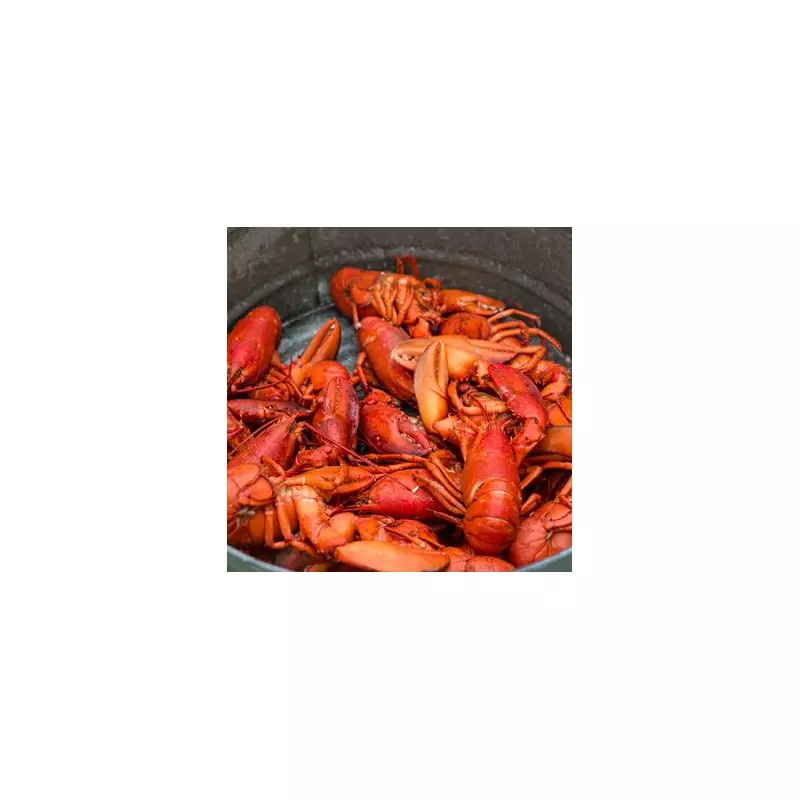
Business leaders in the United States have issued a stark warning after a series of sophisticated seafood thefts, culminating in the loss of lobster worth nearly half a million pounds. The incidents in the state of Maine highlight what authorities describe as a devastating and expensive growing problem.
A Devastating Blow for Small Business
The spate of thefts began on November 22 in Casco Bay, Falmouth, where thieves made off with 14 cages full of oysters. The Maine Marine Patrol confirmed that many of the stolen oysters were fully grown and ready for market. The total haul, including the cages, was valued at an astonishing $20,000 (approximately £14,800).
Marine Patrol Sergeant Matthew Sinclair emphasised the human cost, stating the theft represented a "devastating situation for a small businessman." The crisis deepened just weeks later with two major thefts in Taunton, Massachusetts, located roughly 255 kilometres away.

Sophisticated Fraud on the Highways
First, a shipment of crab meat vanished after leaving a Lineage Logistics warehouse on December 2. Then, on December 12, a load of lobster meat destined for Costco stores was stolen by a fraudulent trucking company. Dylan Rexing, CEO of Rexing Companies, revealed the sophisticated nature of the crime.
"The carrier we hired impersonated a real carrier," Mr Rexing told AP News. "They had a spoofed email address. They changed the name on the side of the truck and made a fake certified driver's license. It's a very sophisticated crime." He added that police had informed him of the earlier crab theft from the same facility.
A Growing National Problem with Consumer Impact
Experts note that this type of cargo theft is not new but has escalated dramatically. Chris Burroughs, president of the Transportation Intermediaries Association, explained that freight crime generally falls into two categories: impersonation of legitimate carriers and strategic cyber-theft.
"This is a massive growing problem that needs to get addressed," Burroughs stated. Given the perishable nature of the products, it is believed the stolen lobster and seafood quickly found its way into restaurant supply chains.
However, Dylan Rexing warned that the ultimate cost is borne by the public. "Whether you eat seafood or not, they're stealing other items... Ultimately, that cost gets thrown to the consumer," he said. The incidents underscore a worrying trend in organised freight fraud that extends far beyond the seafood industry, affecting a wide range of goods from electronics to automotive parts.