Iran's Cluster Munitions Expose Gaps in Israel's Advanced Missile Defences
Iran's Cluster Munitions Challenge Israel's Missile Defences

Iran's Cluster Munitions Pose New Threat to Israeli Air Defences

Gleaming trails of bomblets lighting up the night sky have become an all-too-familiar sight for Israelis, as Tehran exploits apparent vulnerabilities in the region's ongoing crisis. On 5 March, a post on the X account of Iran's late supreme leader, Ali Khamenei, managed by his staff after his death in an Israeli airstrike on 28 February, featured stark propaganda: an image of a massive missile arcing over a city engulfed in flames, captioned "Khorramshahr moments are on the horizon."

Advanced Missile Capabilities and Escalating Attacks

The Khorramshahr missile, Iran's most advanced ballistic weapon, is believed capable of carrying a cluster warhead that disperses up to 80 submunitions. Since that post, it has become a central concern in Israeli threat assessments, despite the country's multi-layered missile defence system, widely regarded as the world's most sophisticated. The latest attack using cluster munitions occurred on Sunday, when an Iranian ballistic missile struck central Israel, injuring 15 people.

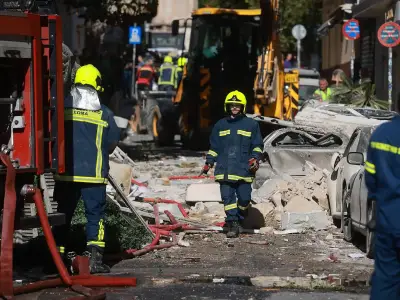
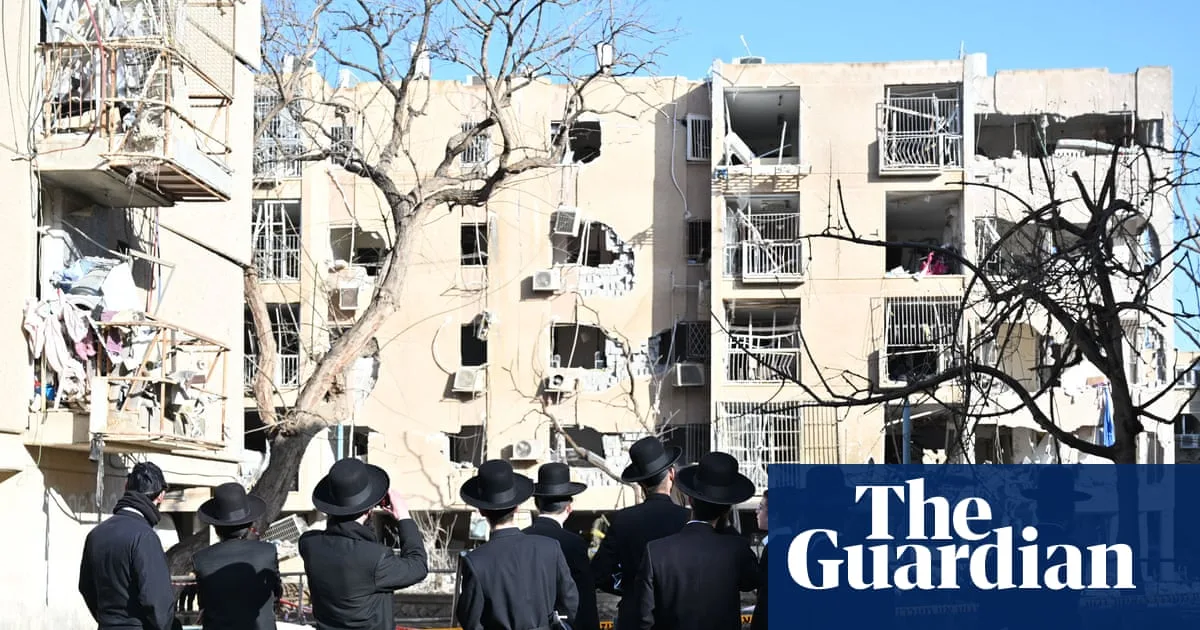
According to the Israel Defense Forces, roughly half of the missiles launched from Iran since the escalation have carried cluster warheads. A review by The Guardian, alongside statements from Israeli officials, identified at least 19 ballistic missiles with cluster warheads that penetrated Israeli airspace and struck urban areas since the war with Iran began on 28 February. These attacks have killed at least nine people and wounded dozens, highlighting a broader shift in Iran's tactics that appears to expose vulnerabilities in Israel's air defences.

Wide Pickt banner — collaborative shopping lists app for Telegram, phone mockup with grocery list

Technical Challenges and Defence Gaps

Since the start of the conflict, Iran's cluster munitions—which disperse dozens of bomblets mid-air—have tested Israel's highly advanced missile defence network, including the Iron Dome system designed to counter threats across various ranges, altitudes, and speeds. This has revealed gaps that interception alone struggles to address. Tal Inbar, a missile expert consulting for Israeli defence companies, explained, "Intercepting cluster munitions is fundamentally more difficult than stopping unitary missiles due to several technical shifts in the engagement profile. To be effective, an interceptor must strike the carrier vehicle before dispersal."

Cluster bombs release smaller submunitions over a wide area, with some failing to explode immediately, posing ongoing risks to civilians. Military teams conduct coordinated searches in suspected areas, followed by police bomb-disposal units neutralising unexploded bomblets. Weapons experts emphasise that to limit damage, cluster munitions must be intercepted as far from their target as possible, ideally outside the atmosphere. Once submunitions are released mid-air, interception becomes virtually impossible, even with the most sophisticated systems.

International Law Violations and Humanitarian Concerns

Cluster munitions are inherently indiscriminate, and their use in populated areas is prohibited under international humanitarian law. While the 2008 convention on cluster munitions bans them for signatory states, neither Israel nor Iran are party to it. Amnesty International condemned Iran's use of cluster munitions last June during its 12-day war with Israel as a "flagrant violation" of international law, while also accusing Israel of similar breaches in Lebanon in 2006. Israel has acknowledged past use of cluster munitions, maintaining it complies with international law, but described Iran's deployment toward population centres as "a war crime by the Iranian regime."

Impact on Civilians and Strategic Aims

Since early March, videos circulating online show cluster munitions descending as bright points of light, slicing through the night sky over greater Tel Aviv before impact, becoming a defining visual of the war for Israeli civilians. Two strikes on 18 March killed a couple in their 70s in Ramat Gan and a 30-year-old Thai worker in Adanim. Israeli officials note that even a direct intercept of a ballistic missile before warhead dispersal does not always neutralise submunitions fully.

Pickt after-article banner — collaborative shopping lists app with family illustration

Iran's strategy may have pragmatic aims: beyond slipping smaller payloads through Israel's air defences, using cluster munitions could drain interceptor stocks, forcing Israel to expend dozens of missiles per threat. Inbar also highlights economic constraints, stating that intercepting these missiles is not cost-effective, as it "requires using expensive interceptors to target each individual submunition." Speculation mounts over strain on interceptor supplies, though Israel's stockpile size remains secret.

Ongoing Conflict and Broader Implications

Israel's military claims to have destroyed over 70% of Iran's ballistic missile launchers and nearly achieved total control over Iranian airspace, yet Tehran continues to breach Israeli skies. Over the weekend, Iranian ballistic missile barrages wounded nearly 200 people in southern Israel, striking Arad and Dimona after air defences failed to intercept at least two projectiles. The constant sirens and increasing cluster munition deployments are deepening fatigue among Israelis, with many questioning the war's duration and purpose.

A Guardian investigation last year found evidence of Israel using cluster munitions in Lebanon during its war with Hezbollah starting in October 2023, with remnants identified by arms experts south of the Litani River. As the conflict persists, the use of such weapons raises critical questions about defence capabilities, international law, and the human cost of modern warfare.