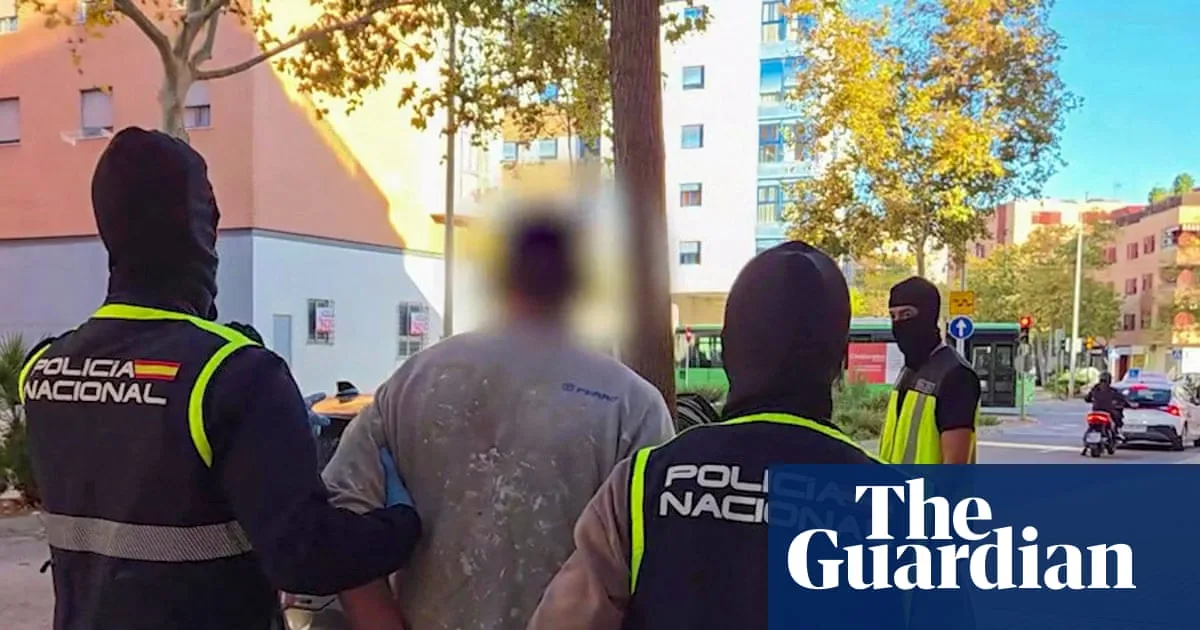
Spanish police, working with Europol, arrested three suspected members of the globally proscribed neo-Nazi terrorist group The Base in the eastern province of Castellón. The American leader of the group, Rinaldo Nazzaro, who lives in Russia, responded defiantly, calling the arrests an example of political persecution and signaling further resistance.
In a text message to the Guardian, Nazzaro said the arrests were justifying the group's resistance to hegemonic rule by any means necessary. The presence of The Base in Spain underscores how its American brand of extremism continues to be exported abroad. Nazzaro and The Base are also suspected of links to Russian intelligence and aiding sabotage efforts in Europe.
Experts expressed shock at the level of organisation and weaponry of the Spanish cell. Joshua Fisher-Birch, a terrorism researcher, noted that the cell had its own public Telegram channel, where it called for recruitment, shared weapons training photos, and urged militant action. The cell openly endorsed The Base's operations in Ukraine and advocated for establishing a white ethnostate in the Zakarpattia region.

A data dump of the cell's Telegram activities revealed propaganda videos, photos of automatic rifles, and posts idolising the Unabomber, Ted Kaczynski. The Europol press release showcased a confiscated weapons cache including firearms, neo-Nazi paraphernalia, and cash. The European law enforcement agency confirmed the cell's leader was in direct contact with Nazzaro.
Fisher-Birch highlighted concerns about potential ties to Russian sabotage operations in Europe and Nazzaro's continued role in directing activity. Nazzaro, a former US Department of Homeland Security employee living in St Petersburg, has long been accused of being a Russian intelligence asset, especially after The Base offered money for assassinating Ukrainian figures.