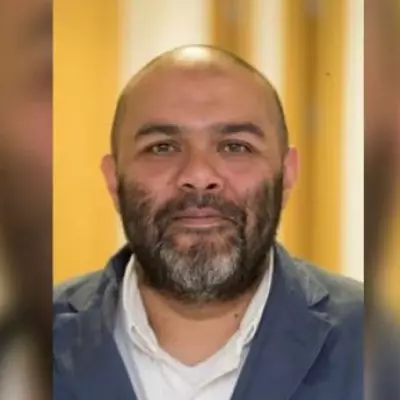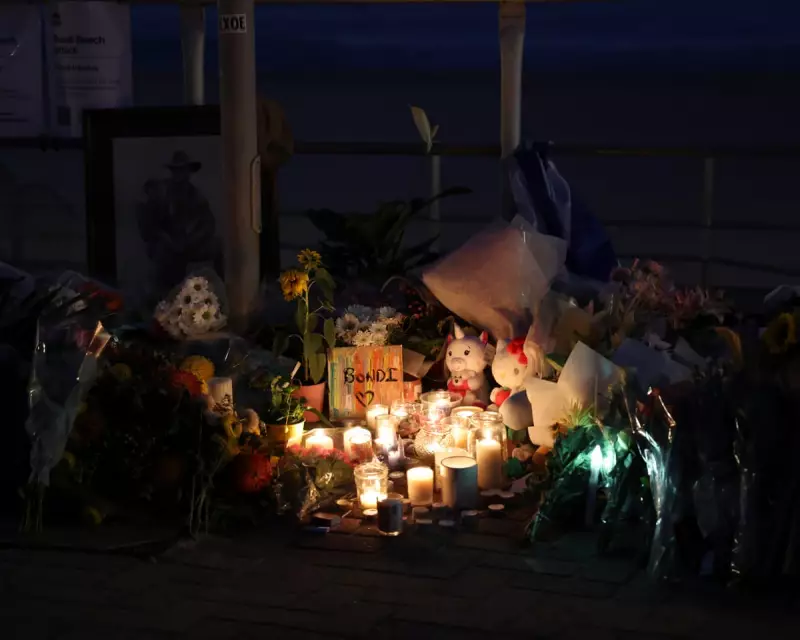
The family of an Indian man killed during a terror attack on Sydney's Bondi Beach is demanding answers from Australian authorities, claiming they have been left in the dark about the circumstances of his death.
A Family's Grief and Search for Truth
Sajid Akram, a 38-year-old Indian national, was one of six people killed when a lone assailant, 32-year-old Joel Burch, launched a violent stabbing spree at the popular beachfront on the afternoon of December 14, 2025. The attack, which also left twelve others injured, was ended when Burch was shot dead by police.
Speaking from their home in Hyderabad, Akram's relatives have expressed profound frustration with the official response. They state they have received no direct communication from Australian federal or state authorities regarding the investigation or the return of his body. Crucial details about his final moments and the location of his personal belongings remain unknown to them.

"We are broken," said Akram's brother, Imran. "We don't know how he died, where he died, what were his last moments. We have been given no information." The family learned of his fate through media reports and a brief call from a friend in Sydney, not through official channels.
Official Response and Investigation Details
Australian Prime Minister, Anthony Albanese, has confirmed that the attack is being treated as a terrorist incident, with the assailant believed to have acted alone. The Australian Federal Police (AFP) and the New South Wales Police are leading the investigation, which includes examining Burch's background and motivations.
However, this broader focus has seemingly left the victims' families, particularly those overseas, feeling neglected. A spokesperson for the Department of Foreign Affairs and Trade stated that consular assistance is being provided to the families of foreign victims, but Akram's family contests the effectiveness of this support.
Complicating matters are the strict protocols surrounding the coronial investigation. A spokesperson for the NSW Coroner's Court explained that while they liaise with families, the process of releasing a body, especially when forensic examinations are required, can be lengthy. They emphasised that all victims are treated with equal dignity and respect.
Broader Implications and Calls for Support
The tragedy has cast a spotlight on the support systems for international victims of terrorism and major crimes. Advocacy groups argue that a more streamlined, compassionate, and transparent communication process is essential for families grappling with loss from afar.
Akram, described by his family as a hardworking man who had been in Australia for several years, was at Bondi Beach on a day off. His death has left a young daughter fatherless and plunged his extended family into mourning and financial uncertainty.
As the counter-terrorism investigation continues to piece together the events of that day, the plea from Sajid Akram's family cuts through the procedural complexities: a basic human need for information, closure, and the chance to lay their loved one to rest with dignity. Their experience underscores the often-overlooked human aftermath of such attacks, where bureaucratic processes can deepen the wounds of grief.