Bondi Terror Attack Occurred During Global Spike in Foiled IS Plots
New research has found that the Bondi beach terror attack in Australia took place amid an international surge in anti-western plots in December 2025, many of which appeared to be inspired or instigated by Islamic State. These plots frequently targeted holiday events, including Christmas markets, across multiple countries.
International Context of Foiled Attacks
In a report published by the West Point Combating Terrorism Center in its publication Sentinel, Australian counterterrorism experts Andrew Zammit and Levi West examined Islamic State's strategic shifts and jihadi tactics in Australia prior to the alleged antisemitic terrorist attack at Bondi. They observed that the shooting occurred alongside numerous reports of foiled plots aimed at tourist targets internationally during December 2025.
Countries affected included Germany, Poland, the Netherlands, the United States, and Turkey. Although these attacks have not been publicly assessed for central coordination by IS, the experts noted that the plots followed consistent messaging from the terror group over the past two years, urging followers to act on their own initiative while adhering to IS methodology.

Details of the Bondi Attack and Perpetrators
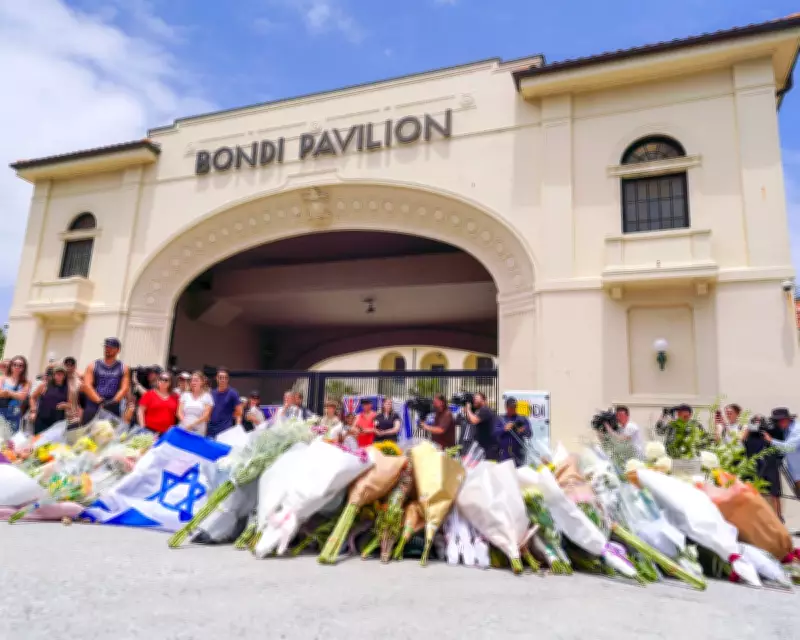
The Bondi attack involved Naveed Akram, 24, and his father, 50-year-old Sajid Akram, who allegedly killed 15 people after opening fire at a Hanukah festival on 14 December. Naveed Akram survived a shootout with police and has been charged with 59 offences, including 15 counts of murder and one count of committing a terrorist act that investigators believe may have been inspired by Islamic State. His case is ongoing, and he has yet to enter a plea. Sajid Akram was shot and killed by police at the scene.
Renewed Momentum in IS Attacks and Targeting
After a decline in attacks and plots against western countries in 2022-2023, IS appeared to be undertaking more activities, according to the experts. This resurgence followed attempts in its messaging to exploit Israel's war in Gaza to mobilise attacks. Zammit and West wrote that a greater proportion of plots are now targeting Jewish communities, highlighting a shift in focus.
They pointed to a speech in January 2024 by IS spokesperson Abu Hudhayfah al-Ansari, which sought to exploit the Gaza conflict as a mobilisation tactic and inspire sympathisers to undertake attacks in their home countries. The speech denounced Hamas, Iran, the broader axis of resistance, as well as Israel and its western and Arab allies.
Examples of Inspired Attacks and Plots
The experts noted that it did not take long for these renewed efforts to show results. One foiled plot in 2024 involved two Islamic State supporters in the United Kingdom planning a mass shooting attack targeting a march against antisemitism, followed by travel to predominantly Jewish suburbs in north Manchester to murder more people.
Additionally, they referenced a September 2025 editorial calling for attacks on Jewish and Christian gatherings, and an Islamic State supporter in the UK murdering two people at a Manchester synagogue in October. That same month, the alleged Bondi perpetrators were training with firearms in remote New South Wales and recording a video for their planned attack.
Alignment with IS Strategic Logic
Analyzed in this context, the Bondi attack correlates strongly with the mobilisation themes and targeting advice promoted by Islamic State since the January 2024 speech. The attackers' use of IEDs and firearms matched the speech's call to detonate explosives and shoot with bullets.
The consistency with which the targeting and tactics of the Bondi massacre aligned with IS's strategic logic is one of the attack's most distinctive features compared to earlier jihadi incidents in Australia. This consistency was not evident in several previous attacks, according to the report.
Investigation and Broader Implications
Australian federal police have stated there is no evidence yet that the Akrams were part of a broader terrorist cell or directed by others. The research underscores the ongoing threat posed by IS-inspired lone actors and the importance of monitoring global terror trends.

Whether Islamic State can maintain this renewed momentum remains unclear and will likely be shaped by the trajectory of broader conflicts in the Middle East, the experts concluded.