
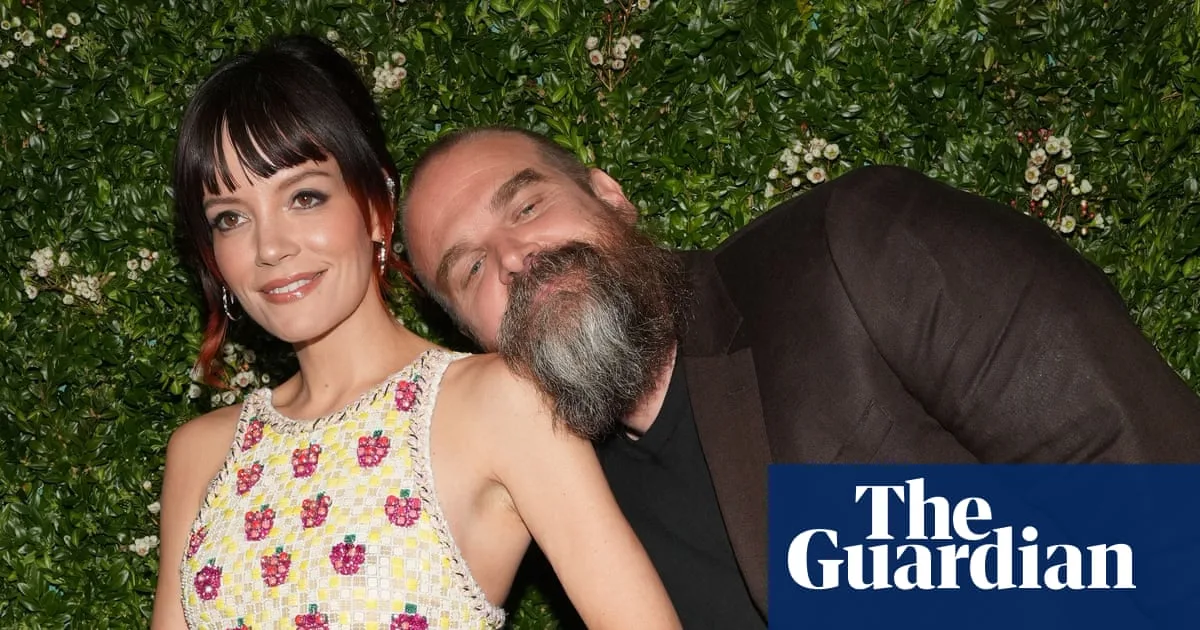
The concept of open marriages and consensual non-monogamy is gaining increasing attention, propelled in part by Lily Allen's recent album, which is widely interpreted as detailing her open relationship with her ex-husband. The singer's candid lyrics have brought the subject into mainstream conversation, and therapists report a growing number of clients exploring this arrangement.
Katherine Cavallo, a psychotherapist and spokesperson for the UK Council for Psychotherapy, said the trend is evident in her practice. "It's a risky business emotionally," she said. "I'm seeing it more and more in the work that I do, but how it manifests itself varies hugely." She emphasised that jealousy and insecurity are normal reactions that must be addressed, and that the existing attachment between partners needs ongoing maintenance.
Communication, consent and trust are essential, according to Cavallo. "It has to be an ongoing process in which things are continually reviewed to make sure it remains consensual," she added. If agreed boundaries are broken, she warned, it could lead to "significant emotional and relational trauma."
Therapists note that opening a relationship after an affair or with the aim of fixing existing problems is particularly risky. Katerina Georgiou, a psychotherapist and senior-accredited member of the British Association for Counselling and Psychotherapy, distinguished between people who identify as polyamorous and heteronormative couples who choose this path for sexual experimentation, to create intimacy, or due to circumstances such as long-distance separation. She also pointed to dating apps as a factor, observing that some people feel pressured into non-monogamy, with a growing perception that "it's too vanilla to just want straight monogamy."
The shift reflects a broader societal change, according to psychoanalyst Juliet Rosenfeld. "The idea of the couple is shifting radically," she said. Statistics show that in England and Wales, the proportion of adults who have never entered a legally registered partnership rose from 26.3% in 1991 to 37.9% in 2021, alongside sharp declines in marriage and birth rates.
Rosenfeld noted potential benefits, such as reducing the pressure on partners to be everything to each other, but also cautioned that open marriage could be a way of avoiding ending a relationship. "If you are in an open marriage, how do you not know that your partner isn't trialling someone else to replace you?" she asked. She added that there is still much uncertainty about what makes such arrangements succeed, including how couples handle one partner falling in love and what else is removed when sexual exclusivity is abandoned.




