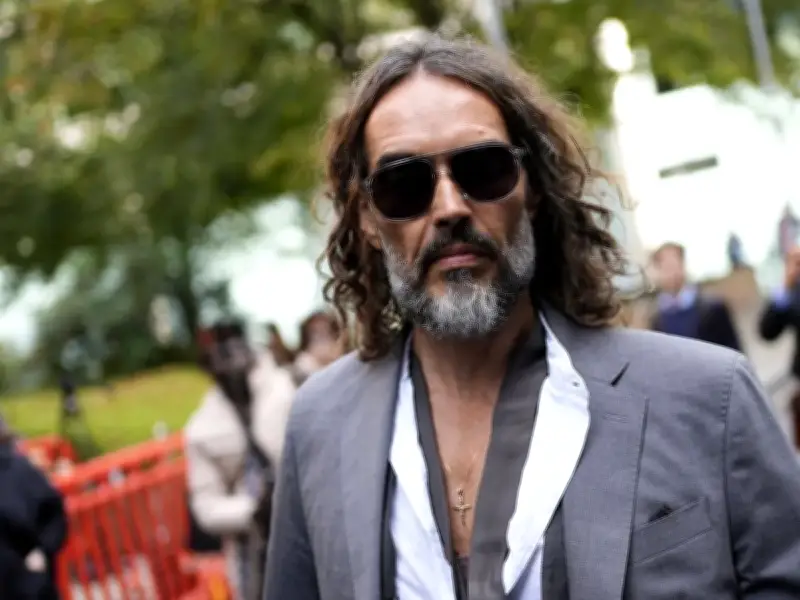
Russell Brand faces a challenging introduction to prison life after his conviction, with his celebrity status potentially creating risks beyond those faced by typical new inmates, according to a retired prison governor.
The comedian and actor, 51, was found guilty on Thursday (November 5) of raping one woman and sexually assaulting three others. Former prison governor Mark Hammersley, speaking to Kevin O'Sullivan on Talk TV, detailed how Brand's first night in custody likely unfolded and the measures staff would have taken to ensure his safety.
Reception and Processing
Hammersley explained that Brand would have undergone a strip search upon arrival to check for prohibited items, including drugs. He described the process as degrading for any individual, but noted that staff aim to conduct it professionally, following a strict procedure that involves searching the top and bottom halves of the body separately and returning clothing as the search progresses.
Medical checks and assessments would also form part of the reception process, with staff evaluating whether the new arrival could safely share a cell.
Security Concerns and Fame
Brand's high-profile status could complicate his time in custody. While sex offenders are generally housed in a separate section, O'Sullivan suggested that Brand's celebrity status may have led to his placement in a different unit to keep him apart from other inmates. The broadcaster also raised the possibility of disruptive behaviour, including dirty protests, and questioned whether Brand would get much sleep.
Hammersley indicated that the attention surrounding the former TV star would make a peaceful first night unlikely. He said: "His presence would have been well known and, you know, well communicated around everybody who's near him, and everyone would have been shouting stuff out to him, trying to get messages from him, trying to get him talking back, you know, all for their own thing."
He added that fame behind bars presents a security headache, warning that some inmates could see Brand as an opportunity to attract attention themselves. "It gives every prisoner in there the opportunity of five minutes of fame. If anybody does anything with him, if anybody were to have a go at him, try and get him, they'd be a front-page newspaper story," he said.
Special Protection and Motives
Asked whether Brand would require special protection against potential attacks, Hammersley agreed. He explained that prisoners might view an incident involving the celebrity as a way to boost their own profiles, potentially giving them something to publicise after release.
He said: "Prisoners will be looking at the opportunity: 'There's someone famous, there's someone rich, someone who I could make a lot of money from or make a lot of money with. It might help my social media presence when I get released. I'm the prisoner who did this.'"
Hammersley added that prison staff and management would be particularly keen to ensure Brand was handled appropriately, with every aspect of his custody carefully monitored.
Brand was convicted of raping a 21-year-old fan in 2009 and sexually assaulting three women in separate incidents between 2004 and 2009. He was acquitted of two further rape charges and one count of attempted indecent assault. He denied all the allegations, with his legal team arguing that he had been wrongly accused and was the victim of a media conspiracy. Two further allegations against him are also being investigated. Brand remains in custody awaiting sentencing on Monday.