
Rio Prison Singing Contest Offers Hope and Empowerment to Incarcerated Women
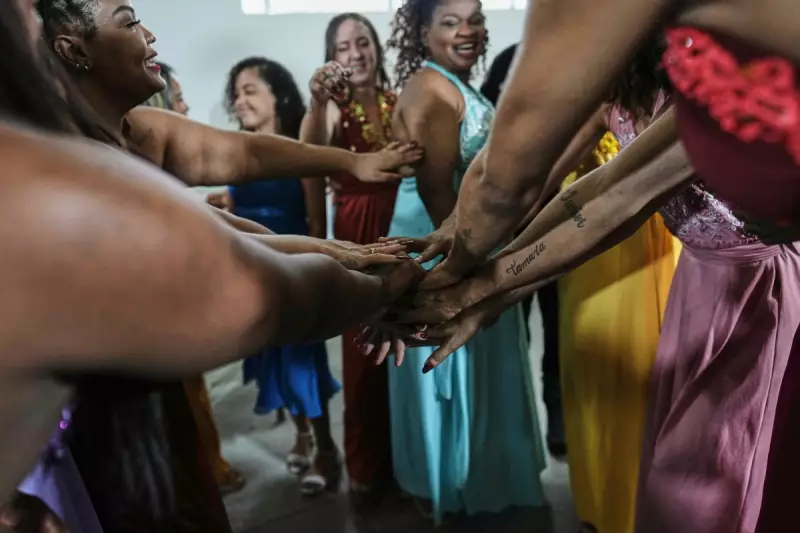
In a remarkable display of talent and resilience, female inmates at a Rio de Janeiro prison participated in a special singing competition on Friday. The event, designed to provide a creative outlet and foster rehabilitation, saw fifteen candidates from four detention facilities showcase their vocal abilities on a vibrant purple-themed stage.
A Stage for Expression Behind Bars
Within the vast, echoing multipurpose hall of the prison, the women took turns performing in front of an audience composed of prison officials, volunteers, and fellow detainees. The atmosphere was one of support and encouragement, with the audience clapping and singing along enthusiastically. Many of the participants chose to perform uplifting gospel songs, while others offered heartfelt interpretations of classic Brazilian popular music, known as MPB. One notable performance included a rendition of "Black Sheep" by the beloved late singer Rita Lee.
The contestants had spent months preparing for this moment, auditioning, rehearsing, and undergoing makeup, costume, and hair tests. This process added much-needed variety and stimulation to their otherwise repetitive prison routines. On the day of the competition, aptly named "Voice of Liberty," the women prepared in a dedicated room equipped with mirrors and a dressing screen, vocalising and shaking their arms to release nervous energy before taking to the stage.
Judges, Winners, and Dreams of Freedom
A distinguished panel of jurors, including actor and television presenter David Brazil and singer Maurício Mattar, carefully evaluated each performance. They attributed scores based on voice quality, stage presence, presentation, and overall charm. The first prize was awarded to 36-year-old Fernanda Fernandes Domingues, who expressed overwhelming joy at her victory. "I don't even know what to say, I'm really happy!" she exclaimed. "Music is a way of empowering myself in this sad time, because being in prison is sad."
For many participants, the contest represented more than just a performance; it was a crucial step on their path to rehabilitation. Rilary Cristina Leite, 31, who used to sing in bars, at parties, and in church before her incarceration six years ago, is due for release in less than a year. She described the show as a magical opportunity that signifies liberation. "It's magical because we're doing what we want. It means liberation for us. We're in prison and art liberates us," Leite said, revealing her dream to one day perform at the prestigious Rock in Rio festival.
Official Support for Rehabilitation Through Culture
This year's competition, themed around "hope and emancipation," marked the third such event organised by Rio de Janeiro's state prison administration authority. Maria Rosa Lo Duca Nebel, Rio's state secretary for penitentiary administration, emphasised that the objective of imprisonment extends beyond confinement to include rehabilitation through various means such as work, studies, reading, and cultural activities like this singing contest.
She highlighted the positive impact such events have on the prison environment. "This helps calm things down, in the sense that it eases the tension, because the prison system — even though this is a women's unit — is an environment that's tense by nature. What we've provided here, with everyone's presence, creates that sense of relief," she explained.
The transformative power of the contest is further illustrated by the story of last year's winner, Cassiane Victoria Moura Martins. A singer since the age of three, she had performed on radio and in public spaces before her incarceration for involvement in drug trafficking. The competition reignited her passion, and she now aspires to pursue singing professionally upon her release, with plans to create content for platforms like TikTok. "When I sing, I feel at peace. It's kind of like a calming medicine. I need it. So I sing, and everything is OK," she shared.
This innovative initiative demonstrates how creative arts programmes within correctional facilities can provide hope, build confidence, and support the rehabilitation process for incarcerated individuals, offering a glimpse of liberty and self-expression behind bars.




