Labour's Early Prison Release Scheme Freed Nearly 50,000 Offenders in First Year
Newly published statistics from the Ministry of Justice have revealed that 48,931 criminals were released from prison early during the first year of Labour's controversial early release programme. The scheme, initiated by then Justice Secretary Shabana Mahmood in September 2024, permits offenders to leave jail after serving just 40 per cent of their court-imposed sentences.
Scale and Impact of the Release Programme
The official figures cover the period from the scheme's launch on 10 September 2024 through to the end of September 2025. With monthly releases averaging over 3,600 prisoners, analysts estimate the total number freed under the programme has likely surpassed 60,000 individuals by now. The policy was implemented primarily to alleviate severe overcrowding in the prison estate, with Ms Mahmood warning that the justice system would face complete gridlock without immediate intervention.
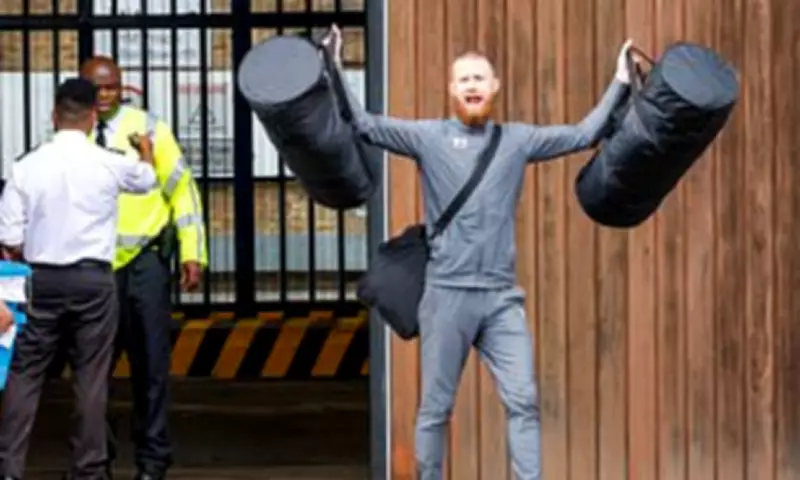
Disturbing scenes accompanied the initial roll-out, with multiple instances of released inmates celebrating with champagne outside prison gates. Some newly freed offenders were even photographed being collected in luxury vehicles, including a Lamborghini, while others publicly declared their newfound political allegiance to the Labour Party. More alarmingly, some released prisoners committed new offences within hours of their liberation, raising serious questions about public safety.

Serious Offenders Among Those Released
The Ministry of Justice data discloses that over 1,200 serious criminals who had originally received sentences exceeding ten years have benefited from early release. Specifically:
- 409 offenders had been sentenced to 14 years or more
- 840 offenders had received terms between 10 and 14 years
This means a criminal handed a 14-year sentence by the courts could potentially serve only five and a half years behind bars. While the scheme excludes those convicted of sex crimes, terrorism, and serious violent offences carrying sentences over four years, it does permit early release for violent offenders sentenced to less than four years, including individuals convicted of manslaughter.
Comparison with Previous Government and Future Legislation
The scale of Labour's programme dwarfs previous measures. A Conservative government scheme allowing early release up to 70 days resulted in 13,325 offenders being freed over eleven months—approximately one-third of Labour's current rate. Furthermore, Labour has recently passed the Sentencing Act, which will institute permanent changes to sentencing practices.
This new legislation will:
- Scrap most prison sentences shorter than 12 months
- Allow most criminals to be freed after serving just 30 per cent of their sentence
- Permit those convicted of serious violence or sex offences to be released after serving half their term, rather than the current three-quarters
Responsibility for the early release scheme has since transferred from Shabana Mahmood—now Home Secretary tasked with ensuring police apprehend criminals—to Deputy Prime Minister and Justice Secretary David Lammy. This creates the unusual situation where one department is responsible for catching offenders while another oversees their accelerated release, prompting concerns about coherence in justice policy.