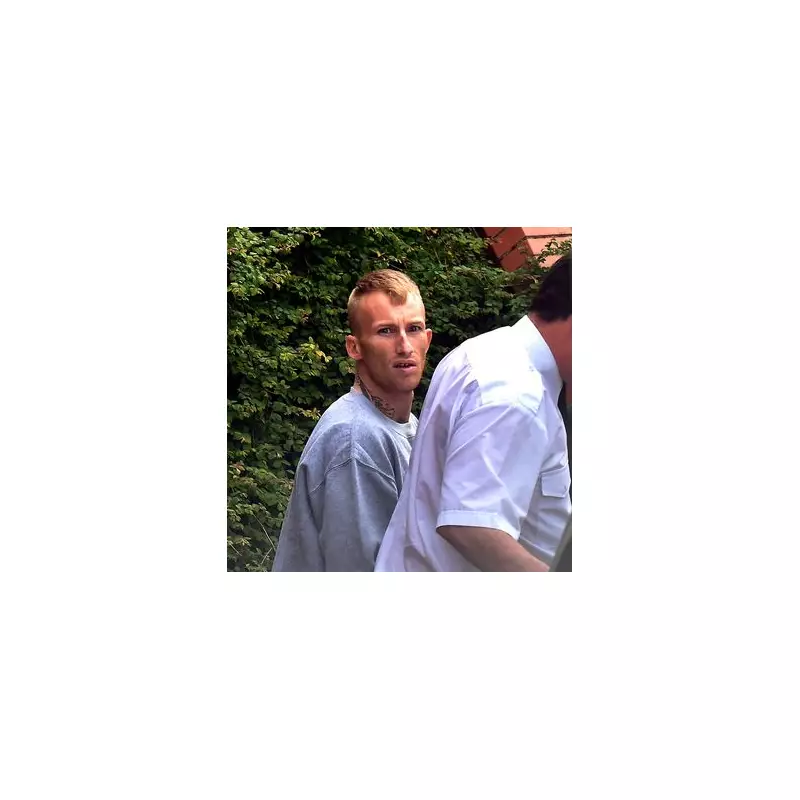
Killer Concealed in Notorious 'Monster Mansion' Prison After Fellow Inmates Uncovered His Heinous Acts
A convicted killer who subjected a vulnerable man to a prolonged campaign of torture and sedation before dumping his body was forced into hiding within one of Britain's most notorious prisons after other inmates discovered the full extent of his crimes, according to a former prison guard.
Brutal Murder and Subsequent Incarceration
James Wheatley received a life sentence with a minimum term of 23 years for the murder of Lee Irving, a 24-year-old man with profound learning difficulties. The horrific crime occurred a decade ago at Wheatley's Newcastle residence, where Irving was held captive, beaten, and sedated with drugs including morphine to prevent his escape.
Following his death, Irving's body was transported in a pushchair and abandoned near the A1 in Fawdon. Medical examinations revealed catastrophic injuries including 27 rib fractures, comparable to those typically seen in severe car crash victims.

Life Inside 'Monster Mansion'
Wheatley was subsequently transferred to HMP Frankland, the Category A facility in County Durham frequently dubbed 'monster mansion' due to its population of some of the country's most dangerous male prisoners. According to a former guard who spent several years working at the institution, Wheatley initially entered the mainstream prison population under the nickname 'Millsy'.
"He was put in the normal wing because he was a murderer," the ex-officer explained. "But then it came out and he got himself moved out of it. They had to move him for his own safety. Something like what he did would make him a target."
Transfer to Vulnerable Prisoner Unit
As details of Wheatley's particularly brutal crime circulated among the inmate population, prison authorities determined he faced significant risk and relocated him to a Vulnerable Prisoner (VP) unit. These units typically house sex offenders and those who have targeted children, individuals who would face extreme danger in the general prison population.
The former guard recalled a specific incident when he warned Wheatley about an impending television documentary detailing his crimes: "I told him to expect some backlash. So he hid himself away for a couple of days. He said he appreciated it. He was a target because of what he's done."
Daily Reality of Working with High-Profile Inmates
The ex-officer, who requested anonymity, provided a chilling insight into the daily challenges of managing dangerous offenders at Frankland. He described routinely researching the prisoners under his supervision, often confronting shocking details about their crimes during night shifts when he would review inmate files.
"It's best not to know, but curiosity gets the better of you and you want to know who you are dealing with," he admitted. "It does make you look at them differently. Because of the way I am I'll mention it to them but make a joke about it. It breaks down barriers."
Despite the horrific nature of Wheatley's crime, the former guard noted he was surprisingly easy to work with on a daily basis, describing how the killer had gained significant weight since his conviction and would frequently engage in conversations about Newcastle United football club.
"You can have a laugh with him," the ex-officer remarked. "All he ever wants to talk about is Newcastle United."
Psychological Toll on Prison Staff
The former guard emphasized the psychological balancing act required when working in such an environment, where staff must simultaneously maintain professional detachment while managing individuals convicted of atrocities.
"When you are in that environment you have got to try and treat everyone the same," he explained. "And you have to block out what they have done. A lot of the prisoners, you just look at them as normal people until you realise what they have done. You deal with stuff that people wouldn't believe."
This revelation provides a rare glimpse into the complex social hierarchies and safety considerations within Britain's highest security prisons, where the nature of an inmate's crime can determine their placement and survival prospects just as much as their sentence length.