Oklahoma Execution Chamber Transformed into Bloody Scene During Horrific 43-Minute Ordeal
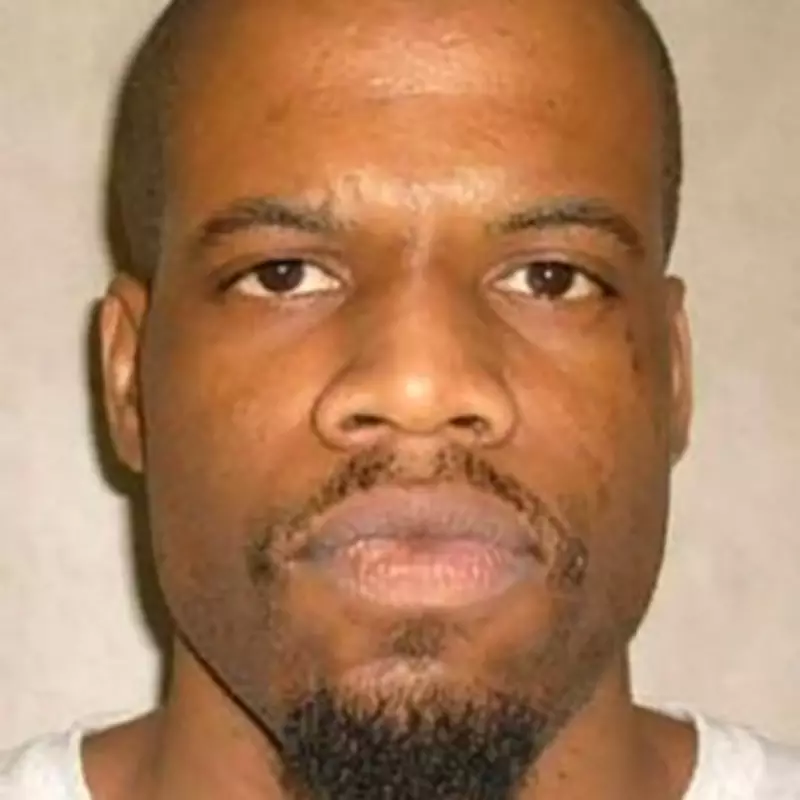
The execution of death row inmate Clayton Lockett at Oklahoma State Penitentiary in April 2018 became a scene of horrific medical bungling, with the chamber left covered in blood after a procedure that dragged on for nearly three-quarters of an hour. The 38-year-old, convicted of murder, rape and kidnapping in the 1999 killing of 19-year-old Stephanie Neiman, endured what witnesses described as a torturous and chaotic end that has since ignited nationwide scrutiny of execution protocols.
Medical Team's Failed Venous Access Leads to Arterial Catastrophe
Court documents and eyewitness reports reveal that medical personnel struggled for over 50 minutes to locate viable veins before attempting an invasive groin line. The execution team's efforts left dozens of needle marks across Lockett's arms, legs and neck before the fateful arterial puncture occurred. A doctor administering the groin line reportedly struck an artery, causing blood to spray violently onto staff and transforming the execution chamber into what observers termed a "bloody mess."
A paramedic present during the catastrophic procedure told The Guardian: "I said you've hit the artery. Well, it'll be alright. We'll go ahead and get the drugs. No. We can't do that. It doesn't work that way... I remember saying You've got the artery. We've got blood everywhere." The medical professional described the doctor as "a little anxious" and apparently unaware of the arterial puncture until the chamber was already awash with blood.

Witnesses Describe Agonising Final Moments as Procedure Descends into Chaos
Following the administration of the controversial sedative midazolam as part of the lethal injection cocktail, Lockett did not experience the peaceful passing promised by execution protocols. Multiple witnesses, including journalists and legal representatives, observed the condemned man writhing in apparent agony, lifting his head and shoulders from the gurney, and making audible groaning noises throughout the prolonged procedure.
Local journalist Courtney Francisco, who watched the execution unfold, reported to the BBC that Lockett was mumbling "as if he was trying to talk" during his final conscious moments. Prison officials, recognising the situation had descended into complete chaos, drew blinds over the witness chamber approximately 16 minutes into the botched procedure. It ultimately took 43 agonising minutes for Lockett to succumb, with his lawyer David Autry later stating: "It was a horrible thing to witness. This was totally botched."
Immediate Fallout and National Debate on Execution Protocols
The horrific scene prompted immediate action from Oklahoma Governor Mary Fallin, who ordered an independent investigation and imposed a temporary ban on other scheduled executions while state procedures underwent rigorous scrutiny. The botched execution occurred just two hours before Lockett's cellmate, Charles Warner, was due to face the same fate in the identical chamber, forcing a delay until 2015.
Warner's lawyer, Madeline Cohen, who witnessed Lockett's execution, alleged he had been "tortured to death" and demanded comprehensive disclosure regarding execution drugs, including their purity, efficacy, source and testing results. The incident sparked a nationwide debate about the substances states employ for lethal injections and whether midazolam provides adequate unconsciousness, with critics arguing that inadequate medical training and procedural secrecy created conditions for the disaster.
The execution of Clayton Lockett stands as one of the most notoriously botched in modern American penal history, raising profound questions about medical ethics in capital punishment and the human cost of flawed execution protocols. The blood-spattered chamber in Oklahoma serves as a grim testament to the potential for catastrophic failure even in the most meticulously planned state-sanctioned deaths.