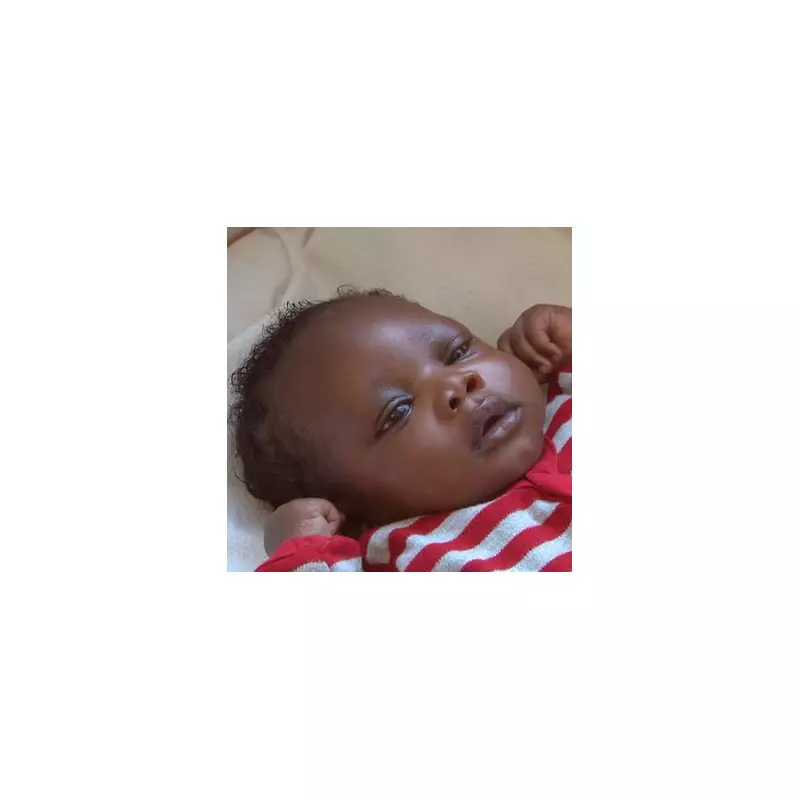
Over an eight-year period, three newborn siblings were abandoned in strikingly similar circumstances in East London, leaving a profound mystery that continues to haunt investigators. The children, named Harry, Roman, and Elsa by authorities, have all now been adopted, but the identity of their biological parents remains unknown.
A Pattern of Abandonment in the Cold
The first child, Harry, was discovered in September 2017, swaddled on Balaam Street in Plaistow. Two years later, in January 2019, his brother Roman was found on a bitterly cold, snowy day in a children's play area near Roman Road in Newham. The final sibling, Elsa, was found in January 2024 at the corner of Greenway and High Street South in East Ham. She was believed to be just one hour old, wrapped in a towel inside a reusable shopping bag.
All three infants were left in public places during winter months, wrapped in blankets or towels, with at least one placed inside a bag. The Metropolitan Police have now stated their inquiries are "exhausted", despite having a complete DNA profile, examining hundreds of hours of CCTV, and previously offering a £20,000 reward for information.

The Psychological State of the Person Behind the Abandonments
Speaking exclusively about the case, Chartered Counselling Psychologist Amanda Charles analysed the deeply troubling pattern. She emphasised that the locations chosen—public yet exposed—suggest a "deeply conflicited internal state".
"These are places where someone might reasonably hope the baby would be found, while still allowing themselves to remain unseen," Ms Charles explained. "That tension between concealment and exposure is where trauma shows itself most clearly: a wish for intervention alongside an inability to remain present or seek help."
She warned against viewing the acts as simply premeditated, stating that for someone living under "chronic fear or control", the nervous system becomes focused solely on remaining undiscovered, a goal that becomes automatic. The fact this happened three times over eight years points to a "persistent internal and external state that never shifted enough for safety" to feel possible, likely involving prolonged entrapment, extreme shame, or domestic violence.
Compassion Over Judgment for an Unknown Mother
Senior investigating officer Detective Inspector Jamie Humm previously suggested the mother "is vulnerable, is in danger, and is in a position where they feel that they are unable to come forward". Experts strongly advise against public judgment.
Child and educational psychologist Dr Emily Crosby urged understanding through a psychological lens, referencing attachment theory. "The mother in this context may have had her own childhood trauma, where perhaps she did not form a secure attachment, which resulted in her struggling to form such an attachment with her own children," Dr Crosby said.
Amanda Charles also noted a critical unknown: we do not know for certain who physically left the babies, especially baby Elsa, found within an hour of birth. It is possible another person was involved, or the mother was "acting under pressure, panic or fear".
Despite one final major effort in 2025, where police narrowed their search to around 400 properties from which the person may have travelled, no leads proved successful. Officers have stated they "cannot discount" the possibility of a fourth child appearing in the future. The united message from experts remains one of compassion for an individual caught in an unimaginable cycle of trauma and despair.