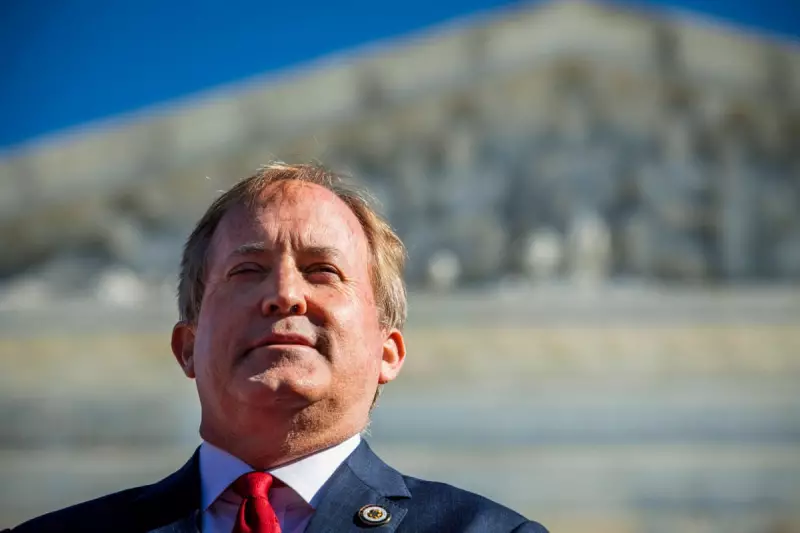
Texas Escalates Legal War by Suing Delaware Nurse Practitioner Over Abortion Pill Distribution
In a significant escalation of its ongoing campaign against abortion access, the state of Texas has initiated legal proceedings against a Delaware-based nurse practitioner. The lawsuit, filed on Tuesday, targets Debra Lynch, who operates an organisation named Her Safe Harbor, which is accused of mailing abortion pills to women residing in states with stringent abortion bans, including Texas.
Allegations and Legal Grounds of the Texas Case
The suit, brought forward by Texas's Republican Attorney General, Ken Paxton, seeks a court order to prevent Lynch from "performing, inducing or attempting abortions" within Texas jurisdiction. The legal action is predicated on the assertion that Texas law strictly permits only licensed physicians to facilitate abortions, and solely in cases of genuine medical emergencies. This move represents the latest in a series of aggressive legal manoeuvres by Texas officials aimed at curtailing the distribution and use of abortion medications across state lines.
The Rise of Shield Laws and Interstate Legal Conflicts
Organisations such as Her Safe Harbor have seen a notable increase in activity over the past four years, following the landmark US Supreme Court decision to overturn Roe v Wade. In response, several states, including Delaware, have enacted protective legislation known as "shield laws". These statutes are designed to offer legal protection to abortion providers from out-of-state prosecutions, thereby enabling them to prescribe and mail abortion pills to patients in states where the procedure is heavily restricted or banned outright.

However, these protective measures have ignited fierce opposition from anti-abortion advocates and have fuelled a complex legal war between states that safeguard abortion rights and those that prohibit the procedure. Texas has previously pursued legal action against a New York-based doctor, Margaret Carpenter, over similar allegations of mailing abortion pills into the state. Concurrently, Louisiana has indicted both Carpenter and a California-based doctor, Remy Coeytaux. Officials in states with established shield laws, such as New York and California, have consistently refused to cooperate with these interstate legal efforts.
Variations in Shield Law Protections and Legal Uncertainties
The extent of protection afforded by shield laws varies significantly from state to state. Eight states, including New York and California, have clear provisions that allow healthcare providers to use telemedicine to prescribe abortion pills to patients located in states with abortion bans. Nevertheless, legal experts have raised questions regarding the robustness of Delaware's shield law, which was initially passed in 2022. There is ongoing debate about whether this legislation consistently protects providers who offer telemedicine services across state lines.
Delaware's law was expanded in late 2025, partly to clarify that state officials may not assist out-of-state investigations into abortion providers. This amendment could potentially offer Debra Lynch additional legal protection. According to Mary Ziegler, a professor at the University of California, Davis School of Law, who specialises in the legal history of reproduction, the outcome of the Texas case may hinge on the precise timing of when Lynch mailed the abortion pills into Texas.
"It doesn't sound like they know when any of the abortions happened," Ziegler noted, highlighting a potential weakness in the Texas argument. Unlike the cases against Carpenter and Coeytaux, which are largely based on allegations of specific abortions, the Texas lawsuit against Lynch focuses primarily on media reports. These reports feature Lynch stating that she mails pills to Texans or advises individuals in Texas who are seeking abortions.
Defiant Stance from the Accused Provider
In August, Ken Paxton sent a cease-and-desist letter to Her Safe Harbor and other abortion-providing groups. In response, Lynch publicly declared that she had no intention of halting her activities. Remarkably, in the immediate aftermath of the letter becoming public, her organisation received over 150 requests for pills from Texas residents.

Lynch previously told the Guardian, "None of our providers are primarily concerned with our own wellbeing or our own legal status. All the horrors that women are facing because of these ridiculous bans and restrictions outweigh anything that could possibly happen to us as providers, in terms of a fine or a lawsuit or even jail time, if it were to come to that." This statement underscores the deeply held convictions driving providers like Lynch, despite the mounting legal risks. On Tuesday, Lynch did not immediately respond to requests for comment regarding the new lawsuit.
This case exemplifies the intensifying national conflict over abortion access, pitting state laws against one another and testing the limits of interstate legal jurisdiction in post-Roe America.