Former Syrian Colonel to Face Historic UK Trial for Crimes Against Humanity
A former Syrian colonel accused of shooting protesters during the 2011 uprising is set to face a landmark trial in the United Kingdom, with proceedings estimated to last three months and scheduled to begin in October 2027. This case represents the first prosecution of its kind in British legal history, charging an individual with murder as a crime against humanity under the International Criminal Court Act 2001.
Defendant Likely to Contest All Allegations
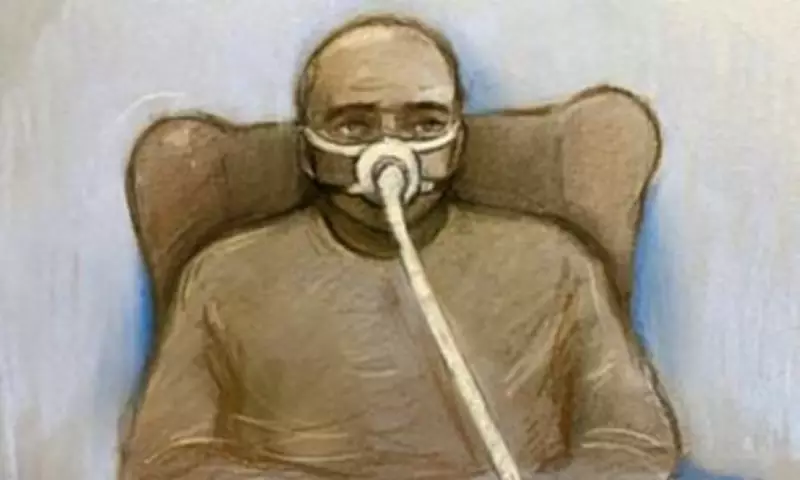
Salem Al-Salem, aged 58, is expected to deny all charges related to his alleged activities in suppressing protests in a Damascus suburb during 2011. His barrister, Patrick Gibbs KC, indicated during a preliminary hearing at the Old Bailey that the allegations would be contested. Al-Salem appeared via video link before Mrs Justice Cheema-Grubb while on conditional bail.
The defendant faces three counts of murder as a crime against humanity, three counts of torture, and one charge of conduct ancillary to murder. These charges stem from his alleged involvement in the deaths of four named individuals: Omar Al-Homsi, Nizar Fayoumi-AlKhatib, Mohammed Salim Zahrak Balik, and Talhat Dalal, during April and July of 2011.

Prosecution Details and Historical Context
Prosecutor Emilie Pottle told the court that Al-Salem was tasked with quelling civilian protests against the Syrian regime. She alleged that he ordered officers under his command to shoot protesters and personally participated in the shootings, resulting in fatalities. The prosecution contends these murders were part of a widespread and systematic attack against the civilian population.
Additionally, Al-Salem faces torture charges related to three individuals between August 2011 and March 2012. The allegations describe detainees being beaten, electrocuted, and hanged by handcuffs from ceiling hooks during interrogations at an intelligence facility in Damascus where Al-Salem was allegedly present and sometimes inflicted harm himself.
At the time of the alleged offenses, Al-Salem served as a colonel in the Syrian Air Force Intelligence (SAFI), described by the European Center for Constitutional and Human Rights as the "most powerful and most brutal" of Syria's state security agencies. He led a group attempting to end demonstrations in the village of Jobar, near Damascus.
Complex Investigation and Legal Precedents
This prosecution follows a four-year investigation by Counter Terrorism Policing's war crimes unit, which served Al-Salem with written notice of the allegations after his initial arrest on December 1, 2021. Commander Helen Flanagan, who leads the unit, described the investigation as "incredibly complex and challenging," involving international cooperation and supporting the UK's "no safe haven" policy for alleged war criminals.
The case marks only the second prosecution by Scotland Yard's war crimes team in two decades. The previous case involved Agnes Reeves Taylor, ex-wife of former Liberian President Charles Taylor, which was aborted due to a technicality before trial.
Legal Framework and Defendant's Circumstances
British law permits prosecution of serious international crimes such as murder, torture, and enslavement regardless of where they were committed. Crimes against humanity apply when specified acts occur as part of a widespread or systematic attack against civilians with knowledge of the attack. The International Criminal Court Act 2001 grants extraterritorial jurisdiction for alleged offenses committed after January 1, 1991.
The court was informed that Al-Salem suffers from motor neurone disease and is now essentially housebound. Despite his health condition, the legal proceedings will move forward, setting a significant precedent for international justice in UK courts.