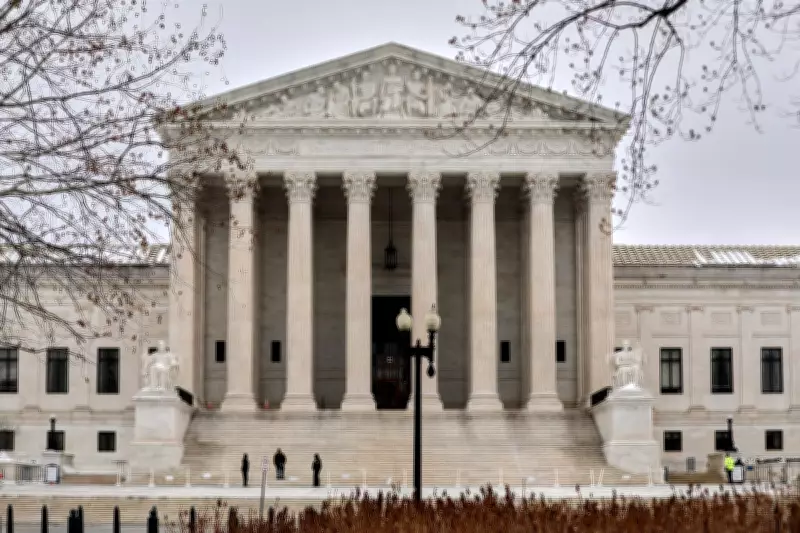
The United States Supreme Court has delivered a significant procedural ruling against a major private prison corporation, dealing a blow to its efforts to dismiss a lawsuit alleging forced labour practices within immigration detention facilities.
Unanimous Decision on Forced Work Allegations
In a unanimous decision announced on Wednesday, 25th February 2026, the Supreme Court justices refused to allow GEO Group to expedite an appeal in a case concerning detainees at its Aurora, Colorado facility. The lawsuit, originally filed in 2014, claims that immigration detainees were compelled to perform janitorial and other duties for as little as $1 per day, with the work allegedly required to supplement inadequate meals provided by the detention centre.
GEO Group's Legal Defence Rejected
The Florida-based GEO Group, one of the nation's largest private detention providers, had argued that it should be immune from such lawsuits because it operates as a government contractor. However, after a lower court judge dismissed this claim, the company sought a swift appeal to the Supreme Court, which the justices declined to permit. This ruling represents a procedural defeat for GEO Group, though it does not constitute a final judgement on the merits of the forced labour allegations.

GEO Group manages or owns approximately 77,000 beds across 98 facilities in the United States, including a federal immigration detention centre in Newark, New Jersey. Notably, Newark Mayor Ras Baraka was arrested at a protest at this facility in May 2025, although charges against the Democrat were subsequently dropped.
Broader Context of Similar Lawsuits
This case is part of a wider pattern of legal challenges against private prison operators over labour practices involving immigration detainees. In a separate lawsuit in Washington state, GEO Group was ordered to pay more than $23 million in damages. The Supreme Court's recent decision may influence ongoing and future litigation, highlighting the contentious issue of labour conditions within the private detention industry.
The ruling underscores the ongoing legal and ethical debates surrounding the treatment of detainees and the accountability of private companies contracted by the government. As the case proceeds through the lower courts, it will continue to draw attention to allegations of exploitative practices in immigration detention centres across the country.