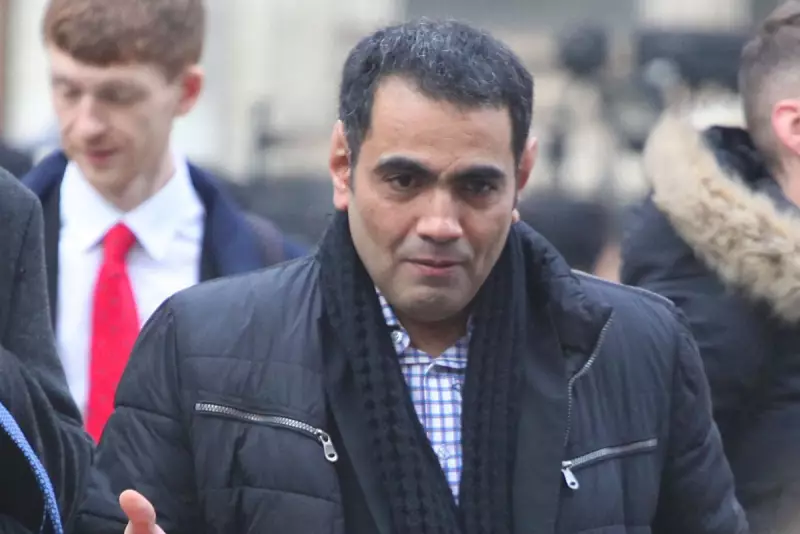
A British-based YouTube satirist and activist who has been a vocal critic of the Saudi royal family has been awarded more than £3 million in compensation by the High Court in London. The landmark ruling found the Kingdom of Saudi Arabia (KSA) responsible for orchestrating a physical assault against him outside Harrods department store and for hacking his mobile phones using sophisticated Pegasus spyware.
High Court Delivers Summary Judgment
Mr Justice Saini entered a summary judgment in favour of Ghanem Al-Masarir on Monday 26 January 2026, after Saudi authorities failed to submit any defence to the serious allegations. The judge stated unequivocally that the Saudi Kingdom stood no realistic prospect of defending the case and ordered a compensation payout totalling £3,025,662 to Mr Al-Masarir.
The ruling represents a significant legal victory for critics of foreign governments operating from British soil, establishing that state immunity cannot be invoked to shield nations from accountability for attacks conducted on UK territory or against individuals residing legally in the country.

Campaign of Harassment and Surveillance
Mr Al-Masarir, a 45-year-old who was born in Saudi Arabia but moved to England in 2003 and was granted asylum in 2018, built a substantial online following through his satirical videos targeting the Saudi royal family and exposing corruption within the country. His YouTube content has amassed nearly 350 million views, establishing him as a prominent voice in the diaspora opposition movement.
In his compensation claim, Mr Al-Masarir detailed a sustained campaign of harassment and intrusive behaviour allegedly directed by Saudi authorities. This included the covert deployment of Pegasus spyware on two of his mobile phones, which granted ongoing access to all data communicated via and stored on the devices.
The judge noted in his ruling: "The covert accessing of that information, together with the tracking of his location, the interception of his calls, and use of the phones’ microphones and cameras to monitor the claimant, constituted in my judgment exceptionally grave invasions of his privacy. It effectively converted these smartphones into 'bugging' devices which secretly transmitted huge amounts of his data and information on every aspect of his life to a hostile state."
Physical Assault in Knightsbridge
The harassment escalated to physical violence in August 2018 when Mr Al-Masarir was followed from a café meeting with a friend and attacked near Harrods in London's exclusive Knightsbridge district. In a witness statement, he described how one man punched him in the face while both assailants shouted accusations that he was a "slave to Qatar" and threatened to teach him a lesson.
"One of the men punched me in the face and continued to physically attack me," Mr Al-Masarir recounted. "I tried to get away from the men. Both men followed me. The man who had not punched me was wearing a grey suit and a wire, either from headphones or from a headpiece. Passers-by intervened and attempted to restrain the second man preventing him from attacking me."
Mr Justice Saini noted the significance of one attacker wearing an earpiece, suggesting "a level of planning in the operation." The judge concluded there was "no real prospect that the KSA will successfully defend the allegation that it was responsible for the physical attack on the claimant," adding that "the KSA had a clear interest in and motivation to shut down the claimant’s public criticism of the Saudi government."
Catastrophic Personal Consequences
The psychological impact of discovering he had been targeted by state-sponsored surveillance has been devastating for Mr Al-Masarir. The court heard evidence that he has suffered severe depression, effectively ending his once thriving and lucrative YouTube career. He now finds himself unable to work or perform many basic day-to-day activities, rarely leaving his home.
The compensation award includes more than £2.5 million specifically for the loss of his YouTube income stream, reflecting the significant financial damage caused by the campaign against him. The judge emphasised that no justification could possibly exist for such grossly intrusive conduct against someone exercising their legitimate free speech rights.

Legal Precedent and State Accountability
In his judgment, Mr Justice Saini highlighted the compelling evidence that Mr Al-Masarir's iPhones were hacked by Pegasus spyware "which resulted in the exfiltration of data from those mobile phones and that this conduct was directed or authorised by the KSA or agents acting on its behalf."
The judge determined that proceeding to trial would serve no purpose, stating: "Proceeding to trial would result in a wholly unnecessary use of court time and resources, and the unnecessary incurring of significant further costs. Entering summary judgment at this stage is the only course consistent with the overriding objective when a trial would simply be a rehearsal of all the evidence before me without challenge from the KSA."
This ruling establishes important legal parameters regarding state responsibility for actions taken against critics residing in the United Kingdom, particularly when those actions involve both digital surveillance and physical violence on British soil. The case underscores the growing challenges faced by dissidents living in exile who utilise digital platforms to criticise authoritarian regimes while seeking protection under British law.