New York Attorney Connected to Trump Clemency Charged with Attempted Extortion
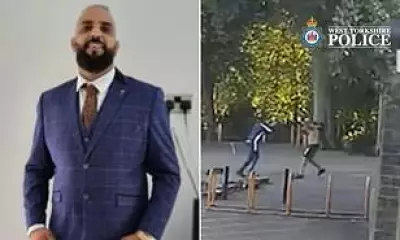
Federal prosecutors in the United States have charged Joshua Nass, a 34-year-old New York lobbyist and attorney, with attempted extortion in a case involving an alleged $600,000 debt from a former client. Nass, who played a role in a presidential pardon issued by Donald Trump, was arrested on Friday and appeared in federal court in Brooklyn, facing accusations under the Hobbs Act.
Allegations of Violent Threats and Intimidation Tactics
According to the US Justice Department, Nass threatened a client to secure payment for services he claimed were owed. Prosecutors contend that he provided an unnamed individual with a phone number and addresses, instructing them to visit the client's home in an effort to intimidate the client into paying. In court documents, it is alleged that Nass told the individual to "do anything and everything" to force payment, including physically assaulting the client's son or forcing him into a car with masked men to threaten his family.
Nass is further accused of stating that the individual could not be a "human being" with the client's son if the son refused to pay, and he allegedly agreed to pay the individual at least $15,000 for these efforts. US attorney Joseph Nocella Jr. of the eastern district of New York emphasized in a statement that Nass plotted the violent extortion of his own client, hiring someone to carry out threats.

Legal Consequences and Court Proceedings
If convicted, Nass faces up to 20 years in prison. After a brief court appearance on Saturday, he was released on a $5 million bond, secured by five properties—two in New York and three in South Carolina—along with $50,000 in cash. He has also been placed on GPS electronic monitoring as part of his release conditions.
Connection to Trump Pardon and Lobbying Activities
Nass had a notable involvement in Trump's pardon of Joseph Schwartz on 14 November 2025. Schwartz had been convicted in Arkansas for failing to pay nearly $40 million in employment and payroll taxes related to his nursing-home empire and faced Medicaid fraud charges. In a public filing, Nass reported receiving $100,000 in late 2025 for advocacy concerning executive clemency, including efforts related to the presidential pardon and post-conviction relief in Arkansas.
Prosecutors in the extortion case allege that the son of Nass's client facilitated a $100,000 payment out of the $600,000 owed for lobbying services. Earlier in March, the New York Times reported that Schwartz connected with Trump through Nass and his ties to pro-Israel evangelicals. Nass commented to the outlet, stating that clemency reflects a belief in redemption and praising Trump for giving deserving individuals a second chance.
Broader Implications and White House Response
The case emerges amid allegations that Trump's clemency system is influenced by lobbyists, though White House press secretary Karoline Leavitt has denied this, asserting that anyone lobbying for pardons is wasting money and that the president is unaware of such lobbyists. This development highlights ongoing scrutiny of pardon processes and legal ethics in high-profile political circles.