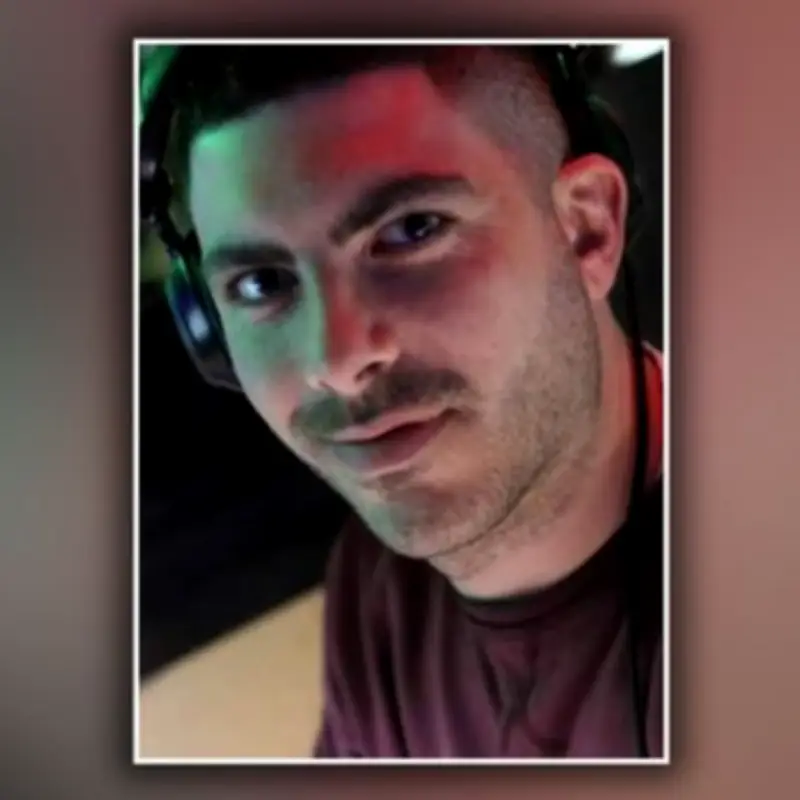
A man accused of murder was 'the only person prepared to care for' his alleged victim, a trial has been told. Ashley Crowder, 36, denies murdering Graham Cox.
The 37-year-old was found dead at the defendant's flat in Bolton in March 2024, a jury has heard. Bolton Crown Court was previously told that weeks earlier, Mr Cox had attended a support centre alleging he'd been held hostage by Mr Crowder at his flat for the previous 14 days and that he had been attacked by him.
Mr Cox, the court has heard, said he was able to escape from the flat through a window, before arriving at the UCAN centre in Farnworth, where he regularly attended, to seek help. He claimed Mr Crowder forced him to hand over his benefits money, the Crown has told the trial.
Mr Crowder, of Barton Walk, Farnworth, denies murder and an alternative charge of manslaughter. He also denies assault occasioning actual bodily harm and four counts of theft.
In a defence closing speech by Richard Pratt KC, he warned jurors to approach what Mr Cox told police and the support centre with 'caution'.
'Evidence of what he says to others during his life, is as referred to in law, as hearsay,' he added. 'We have not been able to test his evidence by cross examination.'
'He told police and UCAN that he had been locked up and held hostage for two weeks, he was deprived of food for two weeks and the only water he was allowed to drink from was sipping from the bathroom tap when he went to the toilet. In that same interview with police officers, and confirmed in a witness statement, he said 'I had access to items in the fridge and had to just get up and go there'.
'Which of those conflicted accounts was true? Was he being starved or did he have access to items in the fridge? Mr Cox is not and was not a reliable narrator.'
Mr Pratt said the prosecution suggests Mr Cox was making a 'cry for help'. He said Mr Cox had previously shown reluctance to go back to Mr Crowder's flat, adding: 'But that is exactly what he did. He ended up back with the defendant, the man he told repeatedly subjected him to violence - why on Earth would he want to do that?'
'The only person who showed any effort to look after Mr Cox was Mr Crowder himself. The one person who gave him a roof over his head. Mr Crowder told police he bathed Mr Cox when he needed it. Nobody else was prepared to take him in.'
He asked jurors to consider whether it was somebody else who could have caused Mr Cox's injuries, stating that police had been put on notice that 'some people were enforcing a drugs debt'.
'Mr Crowder told police that other people would come and go to his flat all the time,' Mr Pratt said. 'The police were put on notice that some people were enforcing a drugs debt. There was evidence of other people coming and going to Mr Crowder's flat and the police told that somebody was chasing a debt.'
Regarding the allegations of theft, in which prosecutors previously said that Mr Crowder forced Mr Cox to hand over his benefits money, Mr Pratt said Mr Cox owed him and his mother some money, and so Mr Crowder believed he was entitled to the cash.
Concluding his speech, Mr Pratt said of the murder charge: 'It was a terrible loss of somebody whose life had spiralled down to the condition Mr Cox was in. It is a matter of sadness, and can't have been pleasant for you to see evidence of that.'
'No doubt somebody caused him considerable pain and suffering before he died. I am prepared to accept Mr Crowder is a suspect, perhaps even a primary suspect. But people do not get convicted on suspicion alone.'
'The defendant can only be convicted if you, the jury, are satisfied he is guilty. There really are gaps in the case, unanswered questions that go to substance of your deliberations. We ask you to return verdicts of not guilty.'
Mr Crowder, who sat silently in the dock wearing a black patterned tracksuit top and appeared to have removed his shoes, did not give evidence in his defence. The trial continues.