High Court Upholds Acquittal in Koran Burning Case, Rejects CPS Appeal
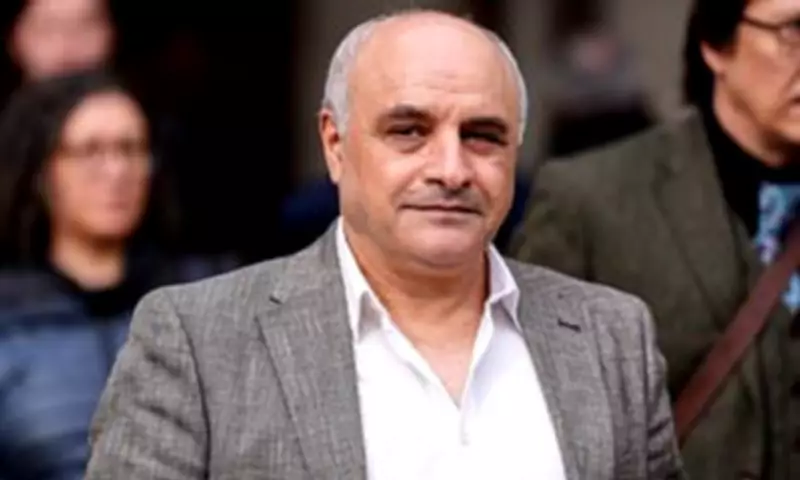
The Crown Prosecution Service has failed in its attempt to overturn the acquittal of a man who burned a copy of the Koran outside the Turkish embassy in London. Hamit Coskun, 51, had his original conviction for religiously aggravated public order offences overturned last October, and now the High Court has dismissed the CPS's appeal against that decision.
Legal Battle Over Free Speech and Religious Offence
Hamit Coskun was initially convicted in June 2025 after holding a flaming copy of the Islamic holy text aloft and shouting expletives about Islam during a demonstration on February 13, 2025. The conviction was overturned by Mr Justice Bennathan at Southwark Crown Court last October, who ruled that the right to freedom of expression "must include the right to express views that offend, shock or disturb."
The CPS appealed this decision to the High Court, arguing that Mr Coskun's behavior was disorderly and demonstrated hostility toward a religious group. However, Lord Justice Warby and Ms Justice Obi dismissed the appeal, stating in their 14-page ruling: "We are not persuaded that the court left any material factor out of account or relied on any immaterial factor."

Violent Attack During Protest
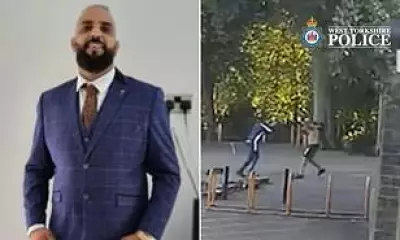
During Mr Coskun's demonstration in Knightsbridge, central London, a man emerged from a nearby building and slashed at him with a large knife. The attacker, Moussa Kadri, later told police he was protecting his religion and received a suspended prison sentence in September 2025.
Following the High Court decision, Mr Coskun expressed relief, stating: "In England, I hoped that I would be free to speak about the damage of sectarian politics and Islamism. I am relieved that after a year, the courts have ruled that I am free to do so."
Organizations Call for Review of Prosecution
Mr Coskun thanked the National Secular Society and the Free Speech Union for their support during the case. National Secular Society chief executive Stephen Evans called for a "serious review" of why Mr Coskun was originally charged and why the CPS pursued the case to the High Court.
"The High Court has rightly rejected this wrongheaded attempt to introduce a blasphemy law by the back door," Evans said. "However offensive some may have found the Koran-burning protest, it was lawful. Criminal law protects people from harm, not from being offended."
The general secretary of the Free Speech Union went further, calling for Director of Public Prosecutions Stephen Parkinson to resign following the ruling, stating: "This appeal should never have been brought by the Crown Prosecution Service, just as Hamit should never have been prosecuted. We have not had blasphemy laws in this country for 18 years and, for that reason, this prosecution was bound to fail."
CPS Defends Its Position
A CPS spokesman said the service would carefully review the High Court decision, adding: "There is no law to prosecute people for 'blasphemy' and burning a religious text on its own is not a criminal act - our case was always that Hamit Coskun's words, choice of location and burning of the Koran amounted to disorderly behaviour, and that at the time he demonstrated hostility towards a religious group."
During the appeal hearing in February, CPS lawyer David Perry KC argued in written submissions that Mr Coskun's prosecution was "not an attempt to introduce an offence of blasphemy" and was not "an impermissible encroachment" on his right to free speech.
Legal Arguments and Original Conviction
In response, Tim Owen KC, representing Mr Coskun, stated that the CPS's appeal was "unarguable" and "merely seeks to rehash arguments" that had already failed. The High Court judges agreed, noting that the CPS's submissions "are essentially no more than counter-arguments offering a different perspective, or a different approach to the facts and circumstances of the case."

Mr Coskun had originally been fined £240 after his conviction, with District Judge John McGarva stating that he had a "deep-seated hatred of Islam and its followers." However, Mr Justice Bennathan's ruling emphasized that the criminal law "is not a mechanism that seeks to avoid people being upset, even grievously upset."
The case has highlighted ongoing tensions between free speech protections and concerns about religious offence in contemporary British society, with legal experts noting the judgment reinforces that hostile reactions to speech cannot determine its criminality.