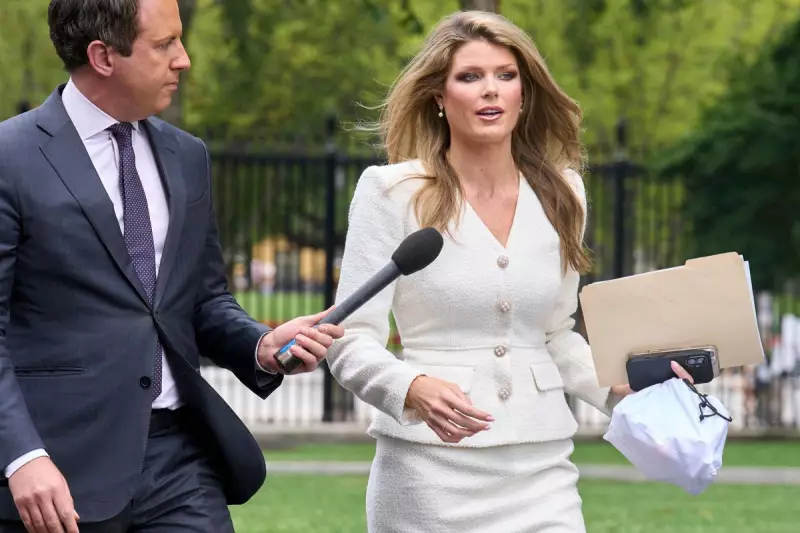
In a significant development within the US legal system, Lindsey Halligan has been compelled to resign from her position as a leading federal prosecutor in Virginia. This follows a federal judge's ruling that she was unlawfully serving in the role, with the judge delivering a stinging critique of her conduct.
Judge's Scathing Criticism of 'Cable News' Style Defence
Federal Judge David Novak issued a ruling that found Halligan's interim appointment had exceeded the statutory 120-day limit, rendering her actions in the position unlawful. In his decision, Judge Novak strongly criticised Halligan's defence of her continued use of the "U.S. Attorney" title, describing it as ignoring a binding court order and constituting a "charade."
The judge specifically noted that her defence "contains a level of vitriol more appropriate for a cable news talk show and falls far beneath the level of advocacy expected from litigants in this Court, particularly the Department of Justice." This remarkable comparison to sensationalised media commentary highlighted the judicial disapproval of her approach.

Background of the Controversial Appointment
Lindsey Halligan's interim appointment was made by former President Donald Trump, but it was determined to have surpassed the legally permitted 120-day duration. This technical violation meant that all actions taken during her extended tenure, including politically charged indictments against adversaries, were deemed unlawful.
In a statement released on Tuesday night, Halligan stated that her 120-day appointment in the interim role "concluded" on January 20. However, the judge's ruling made clear that her continued service beyond this period was improper.
Broader Pattern of Unlawful Appointments
This case is not isolated within the context of Trump-era appointments. Halligan represents one of at least five U.S. attorneys appointed by Donald Trump who have been determined to be serving unlawfully. Similar judicial rulings have affected federal prosecutors in several jurisdictions including New Jersey, New York, Nevada and Los Angeles, suggesting a pattern of appointments that failed to adhere to statutory limitations.
The convergence of these cases raises important questions about appointment procedures and the adherence to legal timelines within the Department of Justice during the previous administration.
The resignation marks the conclusion of a contentious chapter that has drawn attention to the boundaries of interim appointments and the standards of conduct expected from federal prosecutors when defending their positions against judicial scrutiny.