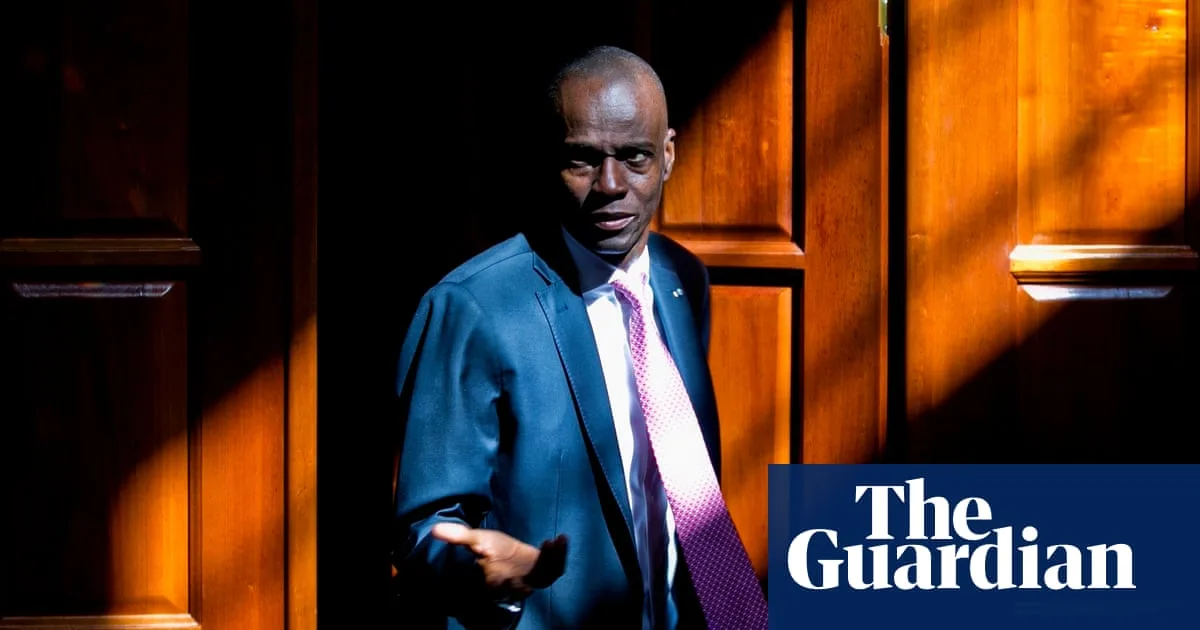
Opening statements have begun in the Miami trial of four men accused in the 2021 assassination of Haiti's last elected president, Jovenel Moïse. US prosecutors told the court on Tuesday that greed, arrogance and power were the driving forces behind the plot.
Federal prosecutors and defence attorneys presented opening statements for Arcangel Pretel Ortíz, Antonio Intriago, Walter Veintemilla and James Solages. They are charged with conspiring in south Florida to kidnap or kill Haiti's former leader. Moïse's assassination led to unprecedented turmoil in the Caribbean nation, where gang violence has escalated.
Assistant US attorney Sean McLaughlin told the jury that the case was straightforward: the defendants wanted to seize power and get rich. 'So arrogant and confident in themselves, the evidence will show, and thinking so little of the Republic of Haiti and its people, they actually thought they could pull it off,' he said.
Defence attorneys argued that the investigation in Haiti was flawed and that their clients were manipulated into taking the blame for an internal coup. 'Once you get off on the wrong foot, everything that comes after is hard to trust,' said Ortiz's lawyer Orlando do Campo.
Moïse was killed on 7 July 2021 when about two dozen foreign mercenaries, mostly from Colombia, attacked his home. According to court documents, south Florida was a central location for planning and financing the plot. The defendants face possible life sentences and have pleaded not guilty.
Investigators say the conspirators initially favoured Christian Sanon, a dual Haitian-US citizen, to replace Moïse. The plot later shifted to backing former judge Wendelle Coq Thélot, who died in January 2025 while still a fugitive. Defence attorneys claim the group believed they were involved in a lawful arrest, pointing to a warrant they say was signed by a judge.