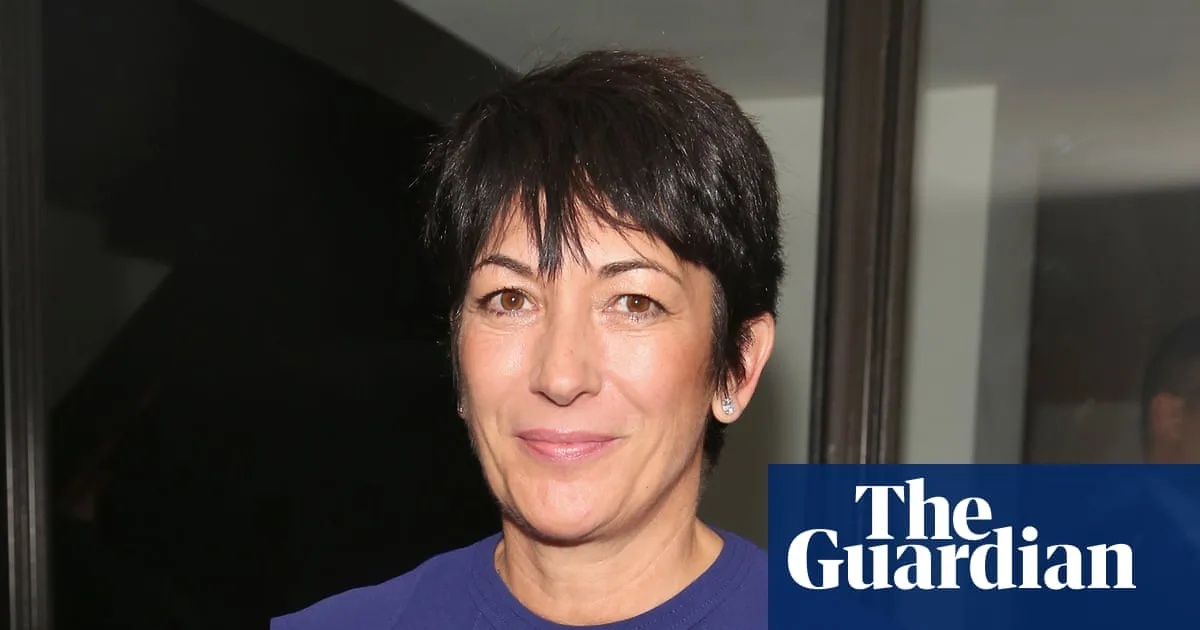
Ghislaine Maxwell invoked the Fifth Amendment and declined to answer questions during a closed-door congressional deposition on Monday, prompting criticism from a Democratic congressman who suggested she was shielding others.
Robert Garcia, ranking member of the House Committee on Oversight and Government Reform, said Maxwell appeared but provided no information. "She answered no questions and provided no information about the men who raped and trafficked women and girls," he said. "Who is she protecting? And we need to know why she's been given special treatment at a low security prison by the Trump administration. We are going to end this White House cover-up."
Her attorney, David Oscar Markus, confirmed she invoked her right to silence, citing a pending habeas petition that he said demonstrated her conviction rested on an unfair trial. He added that Maxwell would be prepared to speak "fully and honestly" if granted clemency by President Trump, and claimed that both Trump and Clinton were innocent of any wrongdoing and that Maxwell alone could explain why.
Ro Khanna, a California Democrat and co-sponsor of the Epstein Files Transparency Act, noted an apparent inconsistency: Maxwell had answered questions in July during an interview with Deputy Attorney General Todd Blanche without invoking the Fifth Amendment. Khanna said he had planned to ask about four named co-conspirators and 25 men mentioned in her Supreme Court filing, who she said had sexually abused minors on Epstein's island.
The White House did not comment directly, with a spokesperson pointing to previous remarks by press secretary Karoline Leavitt that President Trump was not considering a pardon for Maxwell. Trump has denied any wrongdoing in relation to Epstein and has described the Epstein files as a hoax, despite signing the transparency act.