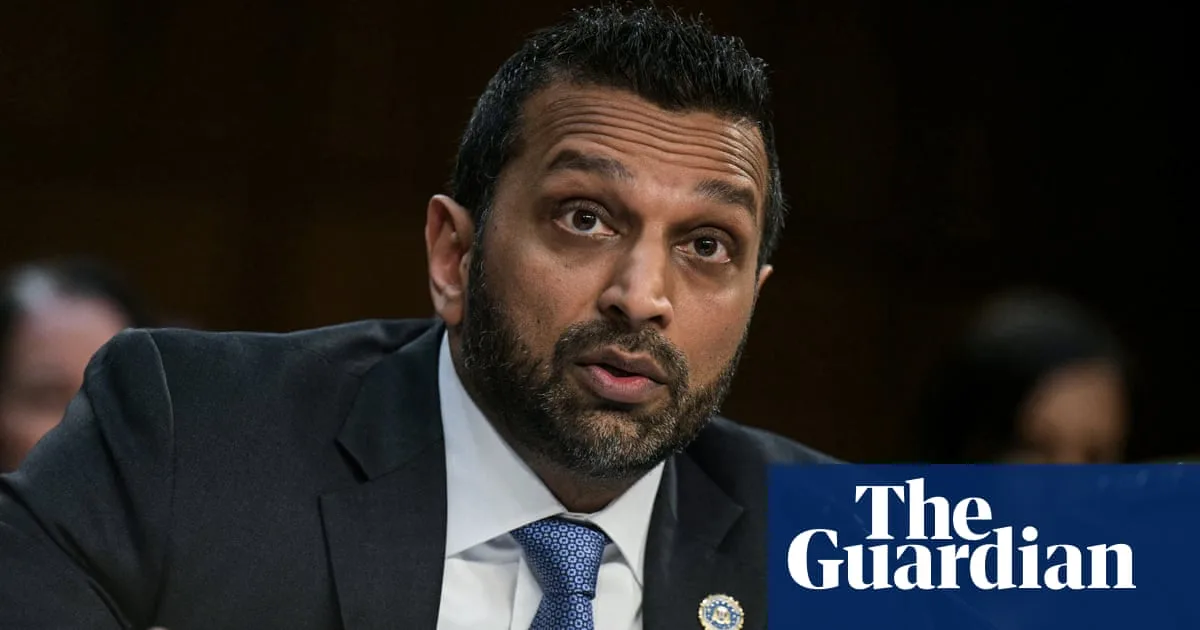
FBI Director Kash Patel Files $250M Defamation Lawsuit Against The Atlantic
FBI Director Sues The Atlantic Over Drinking Allegations

FBI Director Kash Patel Files Major Defamation Lawsuit Against The Atlantic Magazine

FBI Director Kash Patel has initiated a substantial defamation lawsuit against The Atlantic magazine, seeking damages of at least $250 million. The legal action targets both the publication and staff writer Sarah Fitzpatrick over an article published on April 17 that Patel describes as a "malicious and defamatory hit piece" containing fabricated allegations about his personal conduct and professional performance.

Allegations of Excessive Drinking and Professional Misconduct

The controversial article, headlined "The FBI Director is MIA," claimed that Patel's tenure has been marked by episodes of excessive drinking and unexplained absences that allegedly alarmed colleagues and compromised FBI operations. According to the report, anonymous sources within the bureau suggested that Patel's drinking habits made him unreachable during critical moments, including during the high-profile manhunt for Charlie Kirk's assassin in September 2025.

The Atlantic's reporting included several specific claims:

Wide Pickt banner — collaborative shopping lists app for Telegram, phone mockup with grocery list
  • Agents allegedly needed to use SWAT breaching equipment to enter Patel's residence on one occasion
  • Patel reportedly experienced a nervous breakdown when he mistakenly believed President Trump had fired him
  • Meetings were sometimes rescheduled to accommodate what the article described as Patel's "nighttime drinking" habits
  • Anonymous officials expressed concerns about whether the FBI could respond effectively to national crises with Patel leading the bureau

Patel's Forceful Denial and Legal Arguments

In his lawsuit filed on Monday, Patel categorically denies all allegations, describing them as "outrageous" and "completely false." His legal team argues that Fitzpatrick relied exclusively on anonymous sources who were "highly partisan with an ax to grind" and not in positions to know the actual facts. The lawsuit further contends that The Atlantic failed to find "a single person to go on the record" with the allegations.

"Defendants cannot evade responsibility for their malicious lies by hiding behind sham sources," states the legal filing.

Patel's team claims they warned The Atlantic that the article was "categorically false" hours before publication and accuses the magazine of having a "long-running editorial animus" toward the FBI director.

Context and Additional Reporting

The Atlantic article referenced several incidents to support its claims, including Patel's behavior during the Winter Olympics earlier this year, where he was filmed celebrating with the U.S. men's hockey team following their gold medal victory. The report suggested this behavior "reportedly infuriated President Trump," who famously abstains from alcohol.

Regarding the Charlie Kirk investigation, the article claimed Patel bungled the announcement of a suspect in custody, initially declaring a subject "in custody" before walking back the statement hours later. A different suspect, Tyler Robinson, was eventually arrested and charged with the murder.

Response from Patel's Team and The Atlantic

Following publication, Patel immediately denounced the article on social media, sharing a screenshot of an email from FBI communications official Benjamin Williamson to Fitzpatrick that described the reporting as "completely false and nearly 100 percent clip." Patel wrote: "See you and your entire entourage of false reporting in court."

Patel's advisor Erica Knight released a detailed statement challenging The Atlantic's reporting, noting that Patel has taken only "17 days off" since being sworn in—half the time taken by previous directors James Comey and Christopher Wray. Knight stated that the alleged "intoxication incidents" have occurred "exactly ZERO times" and highlighted statistics from Patel's tenure, including 67,000 arrests nationwide and the seizure of over 2,200 kilograms of fentanyl.

"Every serious DC reporter passed on this," Knight wrote about the story. "Sarah Fitzpatrick and Jeffrey Goldberg printed it anyway."

Pickt after-article banner — collaborative shopping lists app with family illustration

The Atlantic's editor Jeffrey Goldberg responded to the lawsuit by stating: "We stand by our reporting on Kash Patel." Fitzpatrick similarly told media outlets that she stands by "every word of this reporting."

Legal Standards and Potential Implications

The lawsuit raises significant questions about journalistic standards, anonymous sourcing, and defamation law. Patel's legal team appears to be arguing that The Atlantic acted with "actual malice"—a critical standard in defamation cases involving public figures. The $250 million damage claim represents one of the largest defamation suits filed by a sitting government official against a major media outlet in recent years.

The case also touches on broader concerns about FBI leadership and national security, with The Atlantic's sources allegedly expressing worries about whether the bureau could respond effectively to terror attacks or national crises under Patel's direction. These allegations, now contested in court, highlight the tension between media scrutiny of public officials and the legal protections against defamatory reporting.




