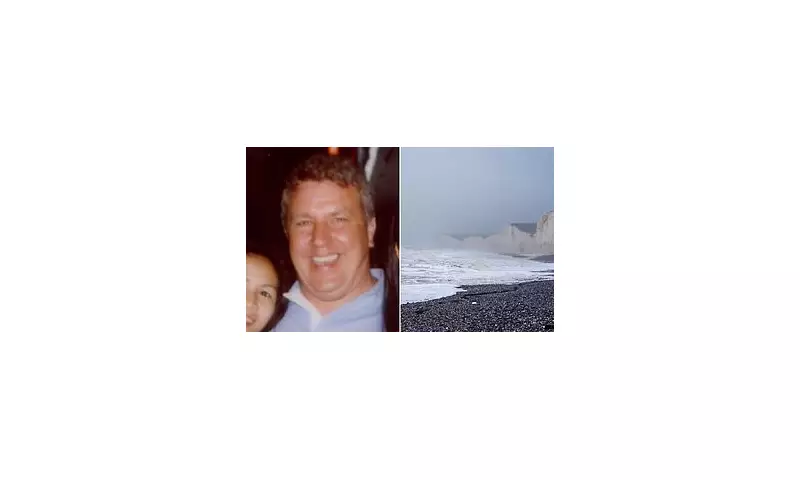
High Court Declares Missing Kent Father Drowned in Channel During Botched Drug Operation
A British father who disappeared during a trip to France two decades ago drowned in the English Channel while attempting a suspected drug smuggling run, a High Court judge has formally ruled. The judgment brings closure to a twenty-year mystery surrounding the fate of Anthony Dugdale, a 43-year-old from Orpington in Kent, who vanished in April 2004.
Disappearance and Initial Investigations
Anthony Dugdale travelled to Calais in April 2004 with a friend, Richard Patwell from Alloa in Scotland, towing a speedboat he had recently purchased for £11,000 in cash. Passenger records confirmed the pair boarded a SeaFrance ferry, but they never used their return tickets. Mr Dugdale's Mercedes was later discovered abandoned near the coast on the Belgian side of the French border, with a boat cover found nearby, but the speedboat itself was never recovered.
Initial missing persons inquiries focused on the theory that the two men were keen anglers. However, police later shifted their investigation towards drug smuggling after uncovering evidence linking both men to drug dealers and importation activities.

Court Application and Police Conclusions
The case was brought before the High Court this week by Mr Dugdale's son, Danny, who is based in the United States. He applied for a formal declaration of death to allow the administration of his father's £33,000 estate. Representing the son, solicitor John Davies presented evidence from a thorough police investigation.
The police concluded that Mr Dugdale had travelled to France specifically to import drugs into Britain under cover of darkness, using a boat entirely unsuitable for such a mission. The court heard there were "strong and reliable implications" that both men were involved in dealing and importing illegal drugs via boat across the Channel.
Evidence of a Failed Crossing
Master Karen Shuman, the presiding judge, detailed the evidence supporting the police's conclusion. Mr Dugdale was described as "not an able seaman" and had previously been rescued from the Channel months earlier during another attempted crossing, suffering from hypothermia and travelling without a passport alongside a man later convicted for involvement in a Welsh cannabis farm.
Critical factors indicating a smuggling attempt included:
- The pair turned off their mobile phones before reaching Dover, preventing tracking via mobile mast data.
- The purchased speedboat was unsuitable for crossing a busy shipping lane, typically only used within two miles of shore.
- Mr Dugdale had placed a petrol canister on the boat's back supports, rendering the vessel unstable.
- Evidence suggested a distress call was made from the Channel reporting engine trouble and a near-miss with a ship.
- Overnight on the day they left the UK, French authorities found holdalls containing cannabis floating in the Channel, which the solicitor argued was unlikely to be coincidental.
Further background evidence linked Mr Dugdale to criminal activity, including work on a Welsh farm later discovered by police to be an operational cannabis production facility.
Formal Judgment and Aftermath
In her ruling, Master Shuman stated: "The police have concluded that what actually happened was Anthony and Richard were trying to cross the Channel at night with a speed boat. They were most likely hit by a container ship and sunk. The speedboat they were using was one not suitable for crossing a very busy Channel."
She declared herself satisfied on the evidence that Anthony Dugdale died in the Channel between April 7 and April 9, 2004. The ruling formally closes the missing persons file and allows the administration of his estate. The court heard Mr Dugdale had one confirmed son, Danny, and may have had a daughter. No findings were made regarding the whereabouts of his companion, Richard Patwell, as this was not part of the High Court application.