Jeffrey Epstein's Secret Storage Lockers Contained Hidden Evidence of Crimes
Disgraced financier Jeffrey Epstein concealed hard drives, photographs, and other critical evidence from law enforcement by renting multiple secret storage lockers across the United States, a new report has revealed. According to an investigation by The Telegraph, the convicted pedophile leased at least six storage units, predominantly in Florida, spending thousands of dollars between 2003 and 2019 to maintain these hidden caches.
Uncovered Storage Units Point to Unseen Evidence
The storage lockers, which remained undiscovered by US authorities, are believed to hold never-before-seen evidence related to Epstein's extensive history of horrific crimes. Files and credit card statements obtained by the outlet detail Epstein's systematic use of these secret hiding places for computers, CDs, pictures, and confidential files. These findings could provide crucial answers, as authorities have long suspected that Epstein received insider information about raids on his properties.
Former Palm Beach Police Chief Michael Reiter told NBC that during a 2005 search, Epstein's residence 'had been cleaned up,' suggesting prior knowledge of the investigation. It is alleged that Epstein recruited private detectives to move documents, photographs, and computers to one of his storage lockers to evade detection.

Financial Records and Private Detective Involvement
Credit card statements uncovered in the investigation show that Epstein paid the private detective agency Riley Kiraly $38,500 from January to May 2010 alone. Emails released by the Department of Justice reveal discussions about transferring storage unit contents between Epstein and his associates. In August 2009, a representative from Riley Kiraly contacted Epstein for guidance on handling computers and paperwork stored in a unit, questioning whether to return them to Epstein or his lawyer.
Epstein's correspondence with Bill Riley of Riley Kiraly included inquiries about retrieving a redacted individual's picture from storage, highlighting the ongoing use of these units to safeguard sensitive materials. Staff were reportedly hired to open units in Epstein's name and transfer files between them, with contents including computers from his private Caribbean island, Little Saint James, which investigators were instructed to move and wipe.
Geographic Spread and Operational Details
The storage units were strategically located near Epstein's properties across the US:
- In Florida, units were traced just miles from his homes outside Palm Beach and Delray Beach, with one leased at Uncle Bob's storage facility from 2003 to 2015 at $374.13 per month.
- Another Florida unit, used between 2009 and 2011, offered 24-hour access and vehicle storage capacity.
- Epstein made monthly payments of $140 for a Royal Palm Beach location until 2019.
- In New York, he rented a unit starting in 2010 at approximately $500 per month, just five minutes from his Manhattan mansion, containing furniture, equipment, and computers.
- Files also indicated Epstein's interest in a 'secret storage unit' near his New Mexico ranch.
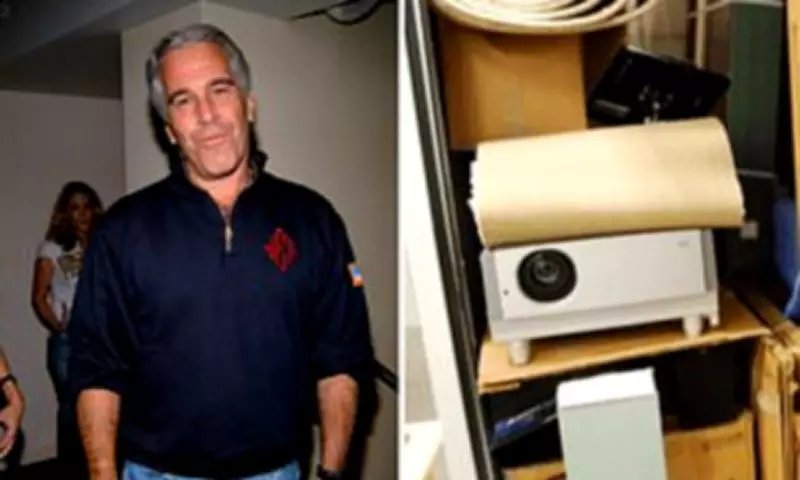
Photographs from 2012 show one unit cluttered with furniture and cardboard boxes, while 2019 police raid images revealed that Epstein's properties themselves had extensive storage spaces, raising questions about his need for additional hiding places.
Unresolved Fate of Storage Contents
It remains unclear what happened to the contents of each storage unit after Epstein died by suicide in 2019. Under Florida law, storage facility owners can auction off abandoned materials after 90 days of non-payment, potentially leading to the loss or dispersal of critical evidence. This report underscores the depths of Epstein's efforts to conceal evidence and the ongoing mysteries surrounding his criminal network.