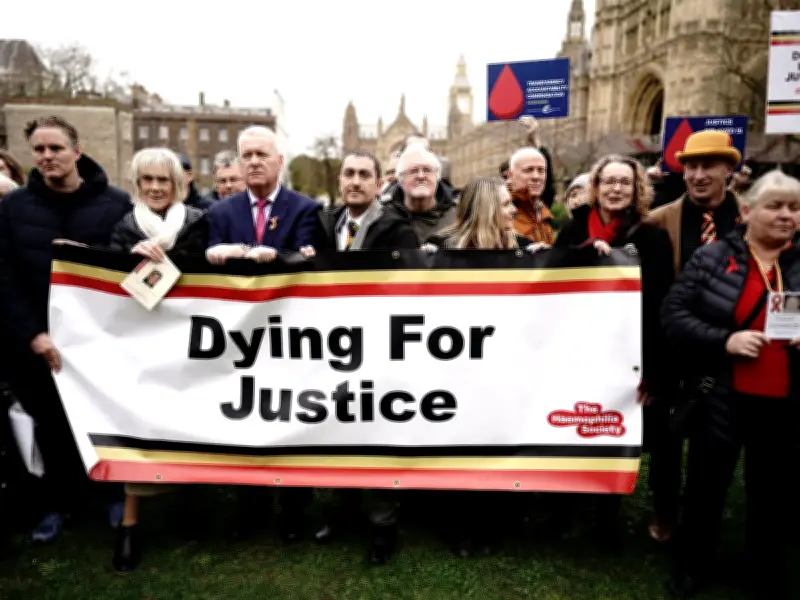
Northumberland MP Ian Lavery has warned that the compensation scheme for victims of the infected blood scandal "still falls short" of expectations, despite progress. Speaking in a parliamentary debate, the Blyth and Ashington MP highlighted the case of his constituent Sean Cavens, 45, who would lose out financially if he switched from monthly support payments to a lump sum.
Key Concerns Raised by Ian Lavery
Mr Lavery, who has long campaigned on the issue, said that while the Infected Blood Compensation Authority (IBCA) is doing "a really good job," the scheme is failing those still awaiting compensation. He noted that 82 victims have died since recommendations were made about compensation, according to campaigners. The scandal saw thousands infected with HIV and hepatitis through NHS blood products, many like Sean Cavens treated for haemophilia.
Mr Lavery praised Cabinet Office minister Nick Thomas-Symonds as "totally dedicated to the scheme," but added: "The reality is that it is failing the people who are still awaiting compensation. That is the reality, despite everybody’s best efforts." He paid tribute to victims, families, and campaigners, saying: "Without their persistence and commitment I am not sure where we would be."

Specific Injustices Highlighted
The MP identified several "fundamental injustices" in the current scheme. The impact of interferon treatment, a brutal hepatitis therapy from the 1990s, is not properly recognised. Compensation calculations for the estates of deceased victims are also flawed, meaning families of those who died earlier may receive less. "That means that those who died earlier can end up worse off, which is ludicrous and perverse," he said.
Mr Lavery also raised the issue of carers, echoing concerns from campaigner Carol Grayson, whose husband Peter Longstaff died in 2005. He said carers' contributions are not properly recognised, especially for children and young people who took on caring responsibilities at the cost of their education and wellbeing. He called for the supplementary compensation route to be amended to recognise both financial and personal losses.
Sean Cavens' Case
Focusing on Sean Cavens, Mr Lavery explained that if Sean commuted his yearly support payments to a lump sum, it would represent only four years of payments. "Surely it cannot be right that if somebody wants to transfer their support payments, basically forget about the situation and move on, they are not allowed more than four years of support payments as a lump sum," he said.
In response, Nick Thomas-Symonds MP said the change in the third set of regulations allows switching from periodic payments to a lump sum. He expressed concern about Sean's case and urged MPs to provide details for follow-up. He noted that over £2.1 billion has been paid out, alongside £1.4 billion in interim payments, but acknowledged there is still "a great deal of work to be done."