
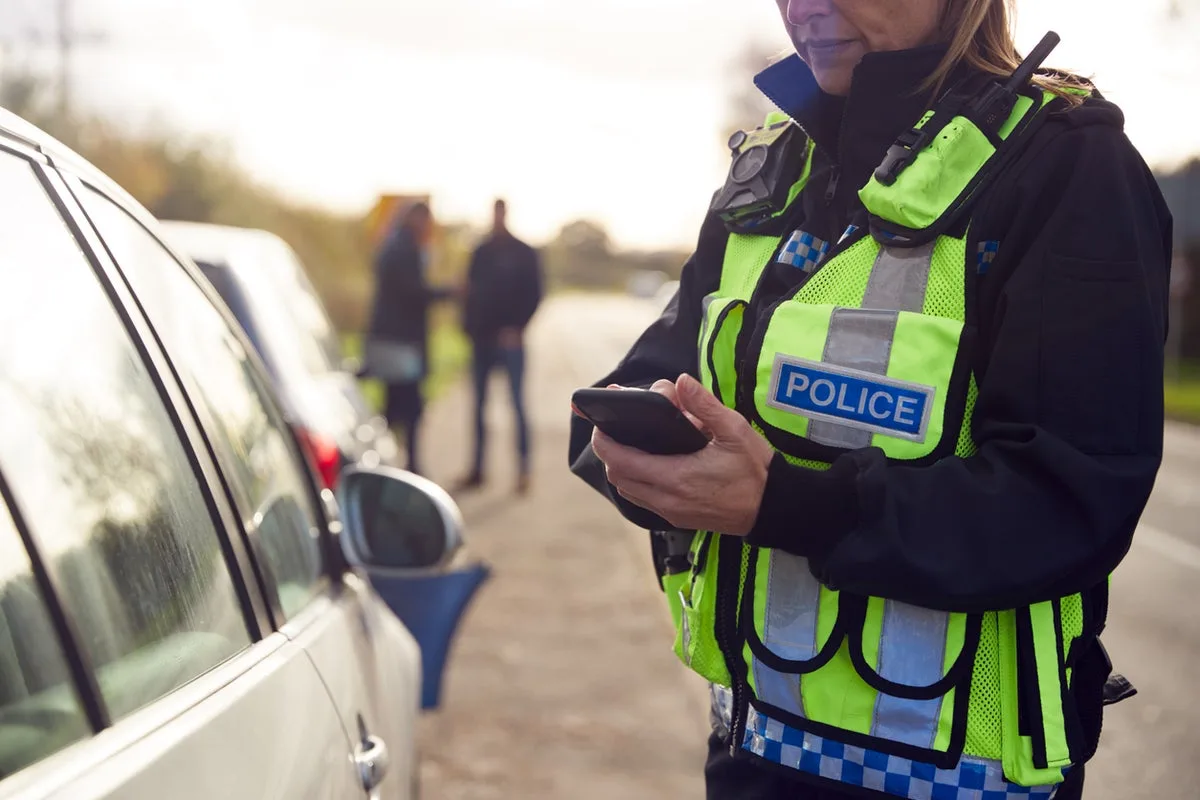
Jersey is set to introduce stricter driving laws that would make driving bans mandatory for drug-related offences. The proposed reforms would give police the power to conduct roadside drug tests and enforce legal limits for cannabis in a driver's bloodstream, using devices similar to breathalysers.
Under the new laws, a positive result from roadside sweat or saliva testing kits could lead to an arrest and a blood test at police headquarters. Anyone convicted of driving with drugs over the legal limit could face up to 12 months in prison and fines of £10,000. First-time offenders would receive a 12-month driving ban, while repeat offenders within ten years could be disqualified for three years.
Currently, Jersey has no statutory limit for legal drug levels in blood for drivers, and police are not permitted to carry out roadside tests. Andy Jehan, Jersey's minister for infrastructure, said the changes are necessary to combat the rising problem of motorists being on drugs.
For the general public, the cannabis limit would be five micrograms per litre of blood, more than double the UK limit of two micrograms. Jehan explained that the higher limit accommodates people taking medicinal cannabis. However, driving instructors, HGV drivers, and public service vehicle permit holders would face the lower limit of two micrograms. Drivers over the legal alcohol limit would also face a two microgram cap on drugs.
Jersey's Chief of Police, Robin Smith, told a scrutiny panel that he is more concerned about drugs than alcohol because they are harder to detect. If the law is passed, ministers could add other controlled substances to the legal limits in the future.
Campaigners have criticised the proposals, arguing they could unfairly punish patients who consume legal medicinal cannabis. Simon Harrison from End Cannabis Prohibition Jersey told GB News that the law lacks a medical defence for those inadvertently exceeding the limit while following prescription guidance, unlike UK and Guernsey legislation. The proposals are due to be debated by the States Assembly from March 24.




