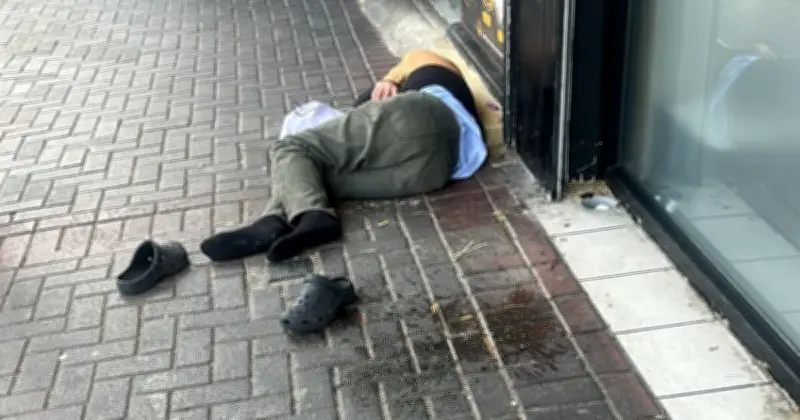
Rough sleeper numbers in the west London borough of Hounslow have surged by more than 50% in a year, with research linking the increase to asylum seekers leaving hotel accommodation. A total of 513 people were recorded sleeping on the streets in the year to March, up from 336 the previous year, according to data from the Combined Homelessness and Information Network (CHAIN). That 53% rise represents the largest proportional and numerical increase among all 32 London boroughs. Across the capital, 12,938 people were found rough sleeping over the same period.
Migrants and Locals Speak Out
Franklin Rozier, 59, an Anglo-Indian who arrived on an ancestry visa in 2019, told the Daily Express he is between homes while awaiting a decision on his British citizenship application. His cousins send him money, but he is not entitled to benefits. He said: "I'm homeless without a penny... People from other countries are coming here and living on benefits and enjoying themselves, but the real British people [originally from the UK] are not [in Hounslow]. This country has changed."
Himalaya Rai, 39, from Nepal, who has Indefinite Leave to Remain, said he sleeps rough by choice as he plans to walk the King Charles III England Coast Path. He claimed many small boat arrivals are not genuine asylum seekers: "They come here and expect left-wing people to take care of them. Ukrainians, Syrians... they are true asylum seekers. The rest pay a lot of money to come here, but they could [use it to] start a business [in their own countries]."
Political Reaction and Crime Concerns
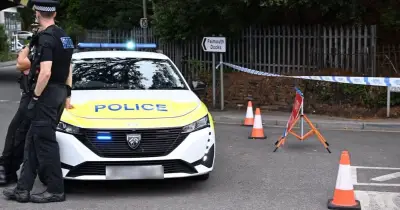
Conservative councillor Charmi Parmar said there is a distinction between hardworking refugees and those who come to claim benefits. She claimed crime in Hounslow has increased due to homeless asylum seekers, though the Metropolitan Police said the borough remains safe and crime has fallen 15.6% year on year. Reform UK councillor Adam Parkins called the asylum system "broken," costing millions that should fund local services. He said: "Worse, Labour’s plan to close asylum hotels and move migrants into HMOs will simply mask the problem, sending unvetted migrants into our community and making the homelessness problem worse. Illegal migrants, as well as anyone who had their asylum application turned down, should be deported."
Fellow Reform councillor Conrad Brown said locals in Feltham feel increasingly unsafe and pointed to Home Office statistics showing burglaries have risen in the borough while falling elsewhere in the UK.
Government and Charity Responses
A council spokesperson said the local authority works with partners to help people into suitable accommodation and achieve longer-term stability. A pilot scheme in 2025 that gave people a 56-day grace period to find a home after leaving asylum accommodation kept an estimated 1,000 households off the streets. In March, the period was set at 42 days. Imran Hussain, Director of External Affairs at the Refugee Council, said: "Refugees want to stand on their own two feet: find work, pay their way and rebuild their lives. But they need a fair chance to do that. The Government should learn from this progress and ensure proper support for new refugees to move on, with a system that works in practice, not just on paper."
A Home Office spokesperson said CHAIN figures are not official government data and added: "We are committed to successfully transitioning refugees from asylum accommodation and mitigating the risk of homelessness. That is why we extended the grace period from 28 days to 42. We have returned or deported almost 70,000 people who were here illegally – an increase of 41% on the number of returns recorded in the previous 21-month period." The spokesperson also noted specialist transition support and a £3.6 billion two-year funding package for homelessness services.