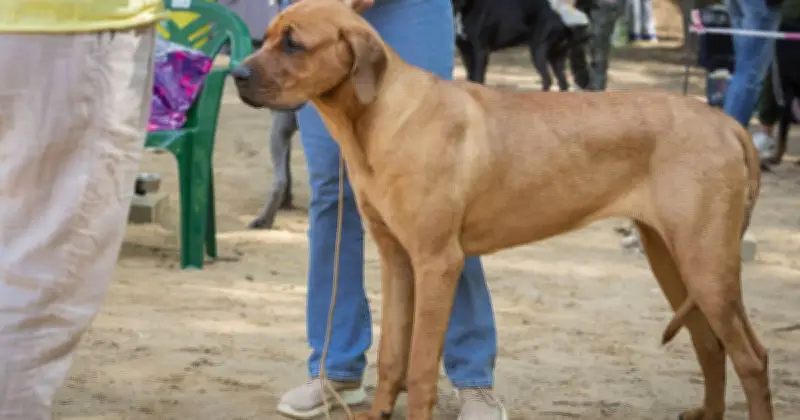
The UK bans the ownership, breeding, and abandonment of five specific dog types, with penalties ranging from unlimited fines to imprisonment for up to 14 years. The law targets a dog's physical characteristics rather than its breed name, meaning any dog resembling a banned type can be subject to legal action.
Penalties for banned dog ownership
If a dog is considered dangerously out of control—attacking someone or causing fear of attack—the owner can face an unlimited fine, up to six months in prison, or both. The owner may also be prohibited from owning another dog in the future, and the dog may be destroyed.
Allowing a dog to injure someone can result in imprisonment for up to five years or a fine, classified as malicious wounding under the law. If a dog kills someone, the owner can face 14 years in prison and an unlimited fine.
The five banned breeds
The five banned dog types in the UK are the Pit Bull Terrier, Japanese Tosa, Dogo Argentino, Fila Brasileiro, and XL Bully. The law prohibits the physical characteristics of these dogs, so a dog with a Pit Bull-like build may be banned even if its breed is different.
It is the owner's responsibility to prove their dog is not a banned type. If proven, the dog is returned; if not, the owner is convicted and the dog is destroyed.
Exemptions for banned dogs
Owners may apply for a Certificate of Exemption if a court agrees the dog is not a danger to the public. Exemptions require the dog to be neutered, microchipped, kept on a lead, and muzzled in public. The dog must also be kept in a secure place, and the owner must be over 16 and show the certificate when asked by a police officer or council dog warden. Owners must inform the Index of Exempted Dogs if they change address or if the dog dies.