Cocaine on UK Streets Hits Record Purity Levels, Investigation Reveals
UK Cocaine Hits Record Purity, Investigation Finds

Cocaine Purity in Britain Reaches Alarming New Highs

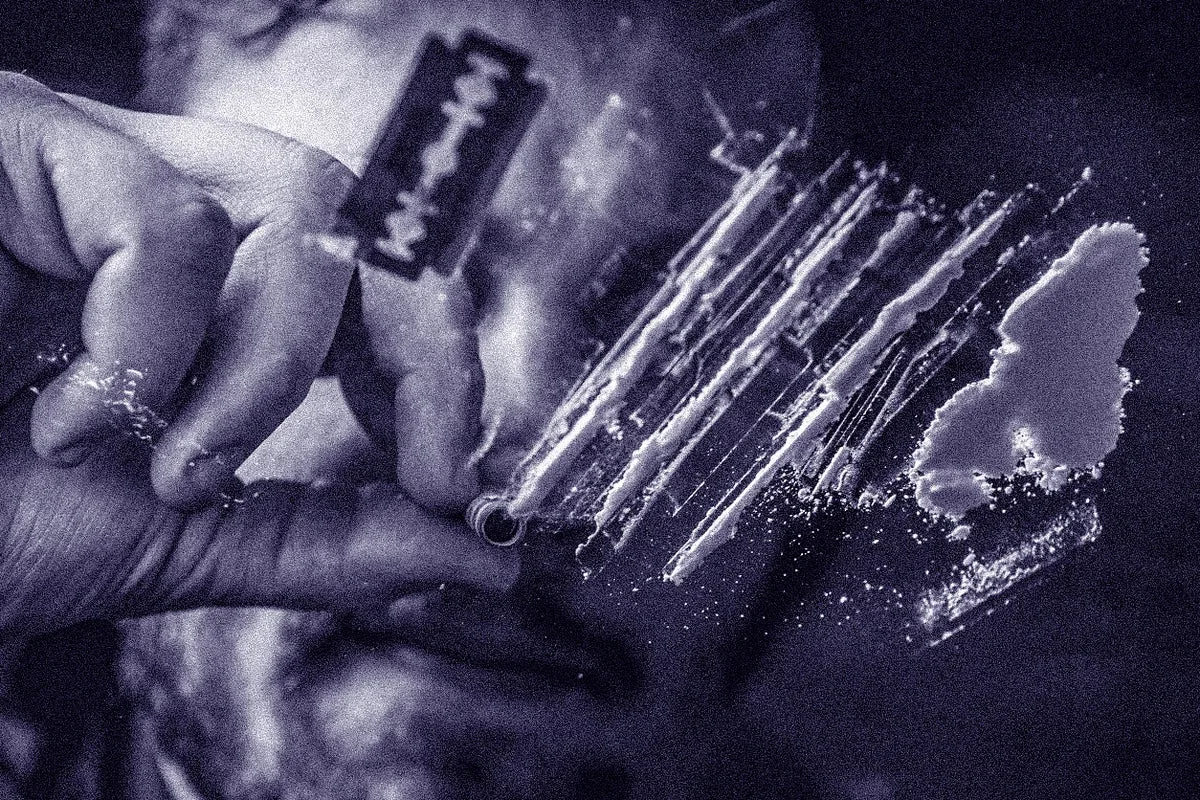
A startling investigation by the Daily Mail has revealed that cocaine being sold on Britain's streets is now available in record quantities and at the highest strength ever recorded. The Class A drug, which for years was typically diluted with other substances to boost dealer profits, is now widely available in a completely pure form for the first time. This dramatic shift in purity presents significant dangers, as occasional users may unknowingly consume a far more potent product than they are accustomed to, leading to serious health implications.

Tragic Case Highlights the Human Cost

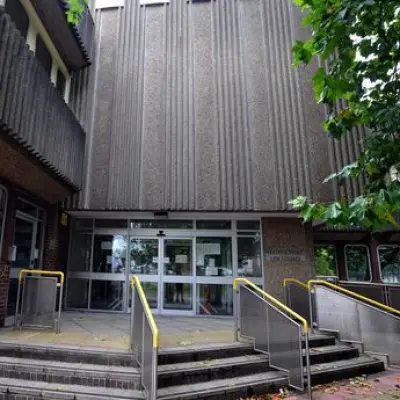
The findings follow a recent inquest into the death of Abigail Garside, a 30-year-old champion horse rider. The coroner concluded that Mrs. Garside, who had been celebrating her first wedding anniversary, took her own life after an argument with her husband while under the combined influence of cocaine and alcohol. She had not intended to end her life, highlighting the unpredictable and tragic consequences of using the drug. This case underscores the pervasive reach of cocaine, which now extends across all social strata in the UK.

Britain's Growing Cocaine Consumption

The United Kingdom has emerged as the largest per capita consumer of cocaine in Europe and ranks second globally, trailing only Australia. Anecdotal evidence strongly suggests that the drug's use has become normalised among diverse groups, from football supporters to affluent professionals. This widespread consumption is coupled with a dangerous increase in the substance's potency, driven by new market dynamics.

Investigation Methodology and Shocking Results

Prompted by widespread reports of stronger cocaine, Daily Mail undercover reporters purchased samples from dealers in various locations across the UK, including the Cotswolds, Brighton, London, Manchester, and Middlesbrough. These samples were then analysed at a Government-backed drug-testing laboratory. The results were unequivocal: every single sample tested contained only cocaine, with no detectable mixing agents used to weaken its effects.

As one laboratory scientist noted, "It's a cliche for a drug dealer to say 'This is good stuff' but now it seems it's actually true. The problem is that this can have dangerous consequences." The scientist attributed this change to Albanian criminal gangs, who have established direct smuggling routes from South America, drastically reducing wholesale costs and passing on 'pure' product to retain customer loyalty.

Purity Found in Affluent and Urban Areas Alike

The investigation began in the unlikely setting of the Cotswolds, specifically the celebrity hotspot of Chipping Norton. There, reporters purchased high-purity cocaine for £100 per gram, a premium price willingly paid by wealthy clients. A dealer explained that in such affluent areas, customers demand uncut product and are prepared to pay extra for guaranteed quality.

However, this purity is not confined to wealthy enclaves. In Brighton, a gram bought for £80 outside a gastropub showed similar high purity. In London's Hoxton, a dealer offered "top gear" at £50 per gram, which, despite being underweight, was also confirmed as uncut. Easy transactions were also documented in Manchester and Cirencester, often arranged swiftly via social media or messaging apps using coded emojis like snowflakes.

The Albanian Gang Factor and Market Domination

A seismic shift in the UK's cocaine trade has been the takeover by Albanian organised crime groups. These gangs have supplanted traditional British criminals, consolidating power within the £5 billion market. By sourcing cocaine directly from South American cartels at a fraction of the previous cost—as low as £4,000 to £5,500 per kilo compared to the historic £22,500—they have been able to increase purity while lowering street prices.

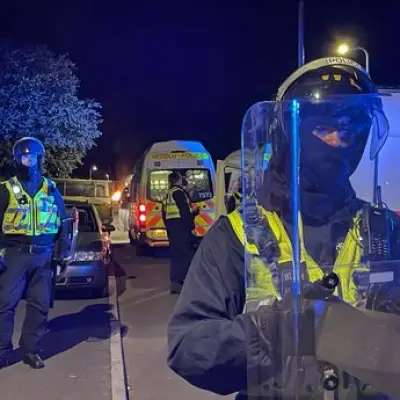
A source at the testing laboratory stated, "Most of the cocaine in the UK now comes in via and is sold by Albanian gangs... they do not take kindly to down-the-chain dealers cutting their product." This control ensures the widespread availability of pure cocaine. The National Crime Agency confirms that groups like the 'Hellbanianz' now dominate the trade, facilitating massive shipments directly into UK ports.

Severe Health Risks and Soaring Death Rates

Consuming uncut cocaine significantly heightens health risks, including rapid cardiovascular damage, seizures, paranoia, psychosis, and respiratory failure. Hospitalisations have risen as users inadvertently take a much stronger product. The statistics are grim: drug-poisoning deaths in England and Wales reached a 32-year high in 2023, with 1,118 fatalities linked to cocaine alone—nearly seven times the figure from a decade earlier. By 2024, this number had climbed to 1,279, a 15% increase in a single year. Experts believe there is a direct correlation between these soaring death rates and the increased purity of the drug.

Case Study: Brighton's Drug Trade Transformation

The city of Brighton exemplifies the Albanian takeover. In 2017, a gang of nine Albanian dealers was jailed for flooding the city with cocaine. Recently, Ervis Doksani, 22, was imprisoned following a National Crime Agency investigation after being caught with multiple deal bags. Despite Brighton and Hove City Council launching a plan to tackle drug abuse, our investigation found it remains easy to purchase cocaine in the city, with Albanian dealers prominently involved.

Economic and Social Drivers

Several factors drive this rise in purity. The establishment of new smuggling routes is primary, but dealers are also competing with cheaper, intoxicating alternatives like ketamine. By offering stronger, cleaner cocaine, they aim to retain their customer base. Meanwhile, production in South America continues to break records, with Colombia dedicating vast hectares to coca cultivation. Consequently, while alcohol prices have soared, cocaine has become more affordable, with grams now touted for as little as £30-50, down from £60-80 pre-pandemic.

A Normalised Drug Across Society

Cocaine use has permeated the middle classes, with reports of consumption among professionals and even school-run parents. The tragic case of Abigail Garside is a poignant example of how the drug can devastate lives regardless of background. Data from the Organisation for Economic Co-operation and Development (OECD) indicates 2.7% of UK adults aged 15-64 use cocaine annually. The Office for National Statistics notes it is the second-most popular drug after cannabis, with the NCA estimating annual consumption at 117 tonnes—enough to fill a football stadium. Wastewater analysis shows a 7% consumption increase between 2023 and 2024 alone.

Britain's relationship with cocaine is becoming both more extensive and more perilous. The combination of record purity, organised crime control, and normalised use across society creates a public health crisis of significant magnitude, demanding urgent attention and action.