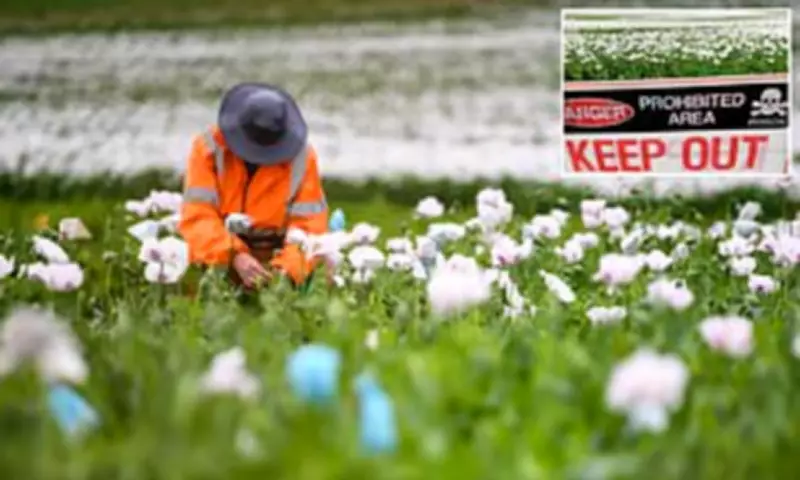
Massive Theft of Toxic Poppy Heads Prompts Urgent Public Health Warning
Authorities in Victoria have issued a serious public health alert following the large-scale theft of hundreds of potentially lethal poppy heads from a rural farm. Intruders stole approximately 1,700 dried poppy plants from a farm in the Ballarat region between February 14 and 16, prompting an immediate police investigation and urgent warnings from health officials.
Dangerous Alkaloid Poppies Pose Severe Health Risks
Victoria's health department emphasized that these stolen poppies are "very different from traditional opioid poppies" and contain dangerously high concentrations of thebaine and oripavine. These alkaloids present a significant risk of life-threatening toxicity, with the stolen plants containing only minimal amounts of traditional opioids like morphine and codeine.
Health officials explained the particular dangers:

- Thebaine stimulates the nervous system rather than providing pain relief or euphoria
- Exposure can lead to seizures, dangerously high body temperature, and fatal toxicity
- Oripavine has some opioid activity but causes severe toxicity at high doses
- Naloxone (which reverses opioid toxicity) only partially addresses oripavine effects
- The combination of these alkaloids creates unpredictable, potentially fatal complications
Police Investigation and Industry Context
Victoria Police have strongly discouraged any handling, transport, or experimentation with the stolen plants. A police spokeswoman emphasized the seriousness of the situation, noting that Victoria's commercial alkaloid poppy industry operates under strict regulations, with crops grown at various regional farm locations.
The agricultural cycle for these regulated crops involves:
- Planting between autumn and spring
- Harvesting between December and February
- Processing of dried capsules and minimal stem material after flowering
Previous Incidents Highlight Ongoing Concerns
This Victoria theft follows similar criminal activity in Tasmania, where looters stole a substantial quantity of poppy capsules from a regulated crop between Tunbridge and Campbell Town in January. Tasmania Police are investigating vehicles believed to have been parked near the crop during the theft.
Historical data reveals the serious consequences of similar incidents:
- Between 2022 and 2023, at least 40 people experienced life-threatening effects from thebaine-contaminated poppy seed tea
- The flowers have been linked to multiple deaths in Tasmania, including a Danish tourist in 2014
- In New South Wales, at least eight people required hospital treatment for poisoning after consuming large amounts of poppy seeds in late 2022
The health department's warning remains clear: these stolen alkaloid poppies represent a significant public health danger, and anyone encountering them should avoid contact and immediately report their location to authorities.