Do you possess the uncanny ability to never forget a face, spotting an old acquaintance in a crowd decades later? If so, you might be part of an elite group known as super recognisers, individuals blessed with a rare genetic advantage that grants them a real-life superpower for facial identification.
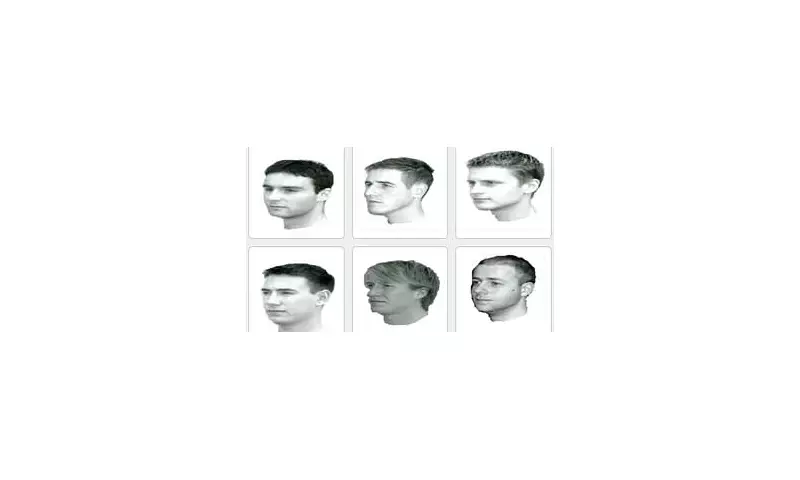
Scientists have now developed a test that allows you to discover if you share these exceptional abilities. The quiz is a condensed version of an assessment created by researchers at the University of Greenwich, requiring you to study faces for five seconds before identifying the same person in a lineup. Scoring a perfect five out of five could indicate you have the potential for a professional career utilising this unique skill.
What Exactly is a Super Recogniser?
A super recogniser is someone whose capacity to detect and remember faces far surpasses that of the average person. These rare individuals can identify someone from a grainy, blurry CCTV image or pick out an adult in a crowd based solely on a childhood photograph.

This extraordinary talent has proven invaluable to law enforcement. The Met Police has hired approximately 140 super recognisers, who played a pivotal role in tracking down suspects from the 2011 London Summer Riots during 'Operation Withern'. Their skills also extend to detecting fabricated images, making them crucial in the fight against fake IDs, doctored photographs, and the growing threat of AI-generated deepfakes.
In a recent study, it was found that super recognisers could identify AI-generated faces 64 per cent of the time after a mere five minutes of training. However, scientists emphasise that this is not an ability one can learn; you are almost certainly born with it.
The Science Behind the Superpower
Research strongly suggests that being a super recogniser is largely determined by genetics. Psychologist Professor Josh Davis, the leading expert on the subject at the University of Greenwich, points to twin studies for evidence. 'We know that face recognition ability has a genetic influence from 'twin studies', because identical twins tend to generate identical test scores,' he told the Daily Mail.
While there is no evidence of a unique brain structure, Professor Davis theorises their brains might be 'hot-wired in a different way'. Researchers have observed a significant spike in brain activity in super recognisers about 100 milliseconds after seeing a face. This occurs well before most people perceive a set of facial features as a complete face, suggesting greater efficiency at integrating facial details into a whole.
From the Pub to a Professional Career
If you are a super recogniser, you may have already noticed your abilities. A common sign is being far better than friends and family at spotting B-list and C-list actors across different films and TV shows, even with changes in fashion and makeup.
The story of Louise Bruder, a certified super recogniser now working for the identity verification firm Yoti, is a prime example. She always knew she had a 'very good memory for faces', often causing confusion when she recognised people who had no memory of her. While working part-time in a pub, her gift made her a formidable barrier to underage drinkers, as she could effortlessly spot fake IDs or identify when a customer was using a sibling's identification.
It was only after taking the University of Greenwich's online tests that she realised the full extent and rarity of her talent. After acing the initial test, she underwent more rigorous examinations and ultimately forged a new career as a professional super recogniser, training others to spot fraudulent documents.
How to Spot a Deepfake Like a Pro
One of the critical roles for professional super recognisers today is identifying sophisticated AI deepfakes used for fraudulent identities. Louise Bruder shares some key tactics. Her golden rule is: 'If in doubt, have a count.' AI-generated images frequently have the wrong number of fingers, toes, or teeth.

She also advises looking for misaligned features that seem 'out of whack' with the rest of the image. Other tell-tale signs include random pixellation around the edges of the picture, extremely wonky ears, or strands of hair that do not properly attach to the hairline.
If you suspect you might have this rare gift, you can explore further tests on the University of Greenwich's Super Recognisers website. As Louise Bruder says, 'It doesn't cost you anything to do the fun test, and who knows where it will lead?'