Police Face Super-Complaint Over Years-Long Delays in Sexual Offence Cases
Super-complaint over police delays in sex offence probes

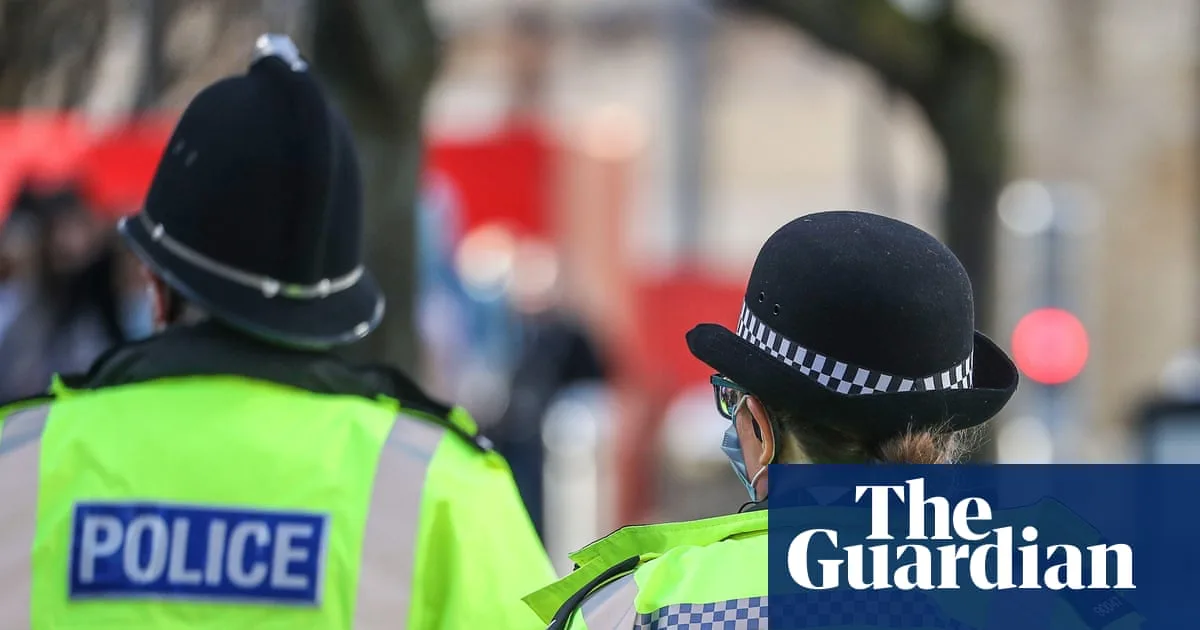
A major super-complaint has been lodged against police forces across England and Wales, accusing them of causing 'inhumane and untenable' delays in thousands of sexual offence investigations.

Scale of the Delays Branded 'Inhumane'

Campaign organisations revealed that more than 37,000 investigations into sexual offences have taken longer than three years to conclude over the past decade. Shockingly, over half of these dragged on for more than four years, with some victims waiting up to nine years for an outcome or a charging decision.

The complaint was submitted by Cambridge Rape Crisis Centre (CRCC), the Centre for Women’s Justice (CWJ), Rape Crisis England & Wales (RCEW) and law firm Bindmans LLP. They argue that the protracted processes are retraumatising survivors and that forces may be legally liable, as the excessive delays could breach the UK's obligations under the European Convention on Human Rights.

A Sevenfold Increase in Lengthy Probes

Data obtained through Freedom of Information requests paints a stark picture of a deteriorating system. The number of sexual offence cases taking over three years to investigate has skyrocketed, increasing more than sevenfold from 533 in the 2014-15 period to 4,008 in 2024-25.

By the end of March 2025, there were nearly 14,000 investigations that had been open for more than three years. The groups' research also found a dramatic rise in cases lasting between three and four years, from just 137 a decade ago to 2,261 in the most recent period.

The super-complaint cites several systemic failures, including:

  • The routine de-prioritisation of certain sexual offence cases.
  • Poor collaboration between police and the Crown Prosecution Service.
  • Critical staffing, resourcing, and case management issues.

Survivors' Trust Eroded by a 'Dysfunctional' System

A survey of survivors caught in these delayed cases found that more than two-thirds were unsure if they would ever report to the police again. The complaint highlights one harrowing example where a woman who reported childhood sexual abuse and rape in December 2014 saw her alleged perpetrator not charged until 2021. After a trial was postponed and re-listed, the nine-year wait became too much, and she withdrew from the case.

"It is truly inhumane to put a victim through a process lasting nine years," the survivor said. "I have been disappointed by the so-called justice system under which we are meant to feel safe."

Ellie Ball, an independent sexual violence adviser manager at CRCC, stated that survivors report in good faith only to have their cases "repeatedly de-prioritised and pushed to the back of an informal waiting list for justice." She warned that the normalisation of multi-year investigations signals an urgent need for systemic change.

Maxime Rowson of RCEW added that survivors are "being asked to engage with a process that no longer resembles a functioning justice system," noting that delays can lead to collapsed cases as memories fade, survivors withdraw due to distress, or perpetrators die before trial.

The super-complaint calls for an audit by all forces to identify how many cases are effectively stuck. His Majesty’s Inspectorate of Constabulary and Fire & Rescue Services, alongside the College of Policing and the Independent Office for Police Conduct, will now jointly assess the complaint.