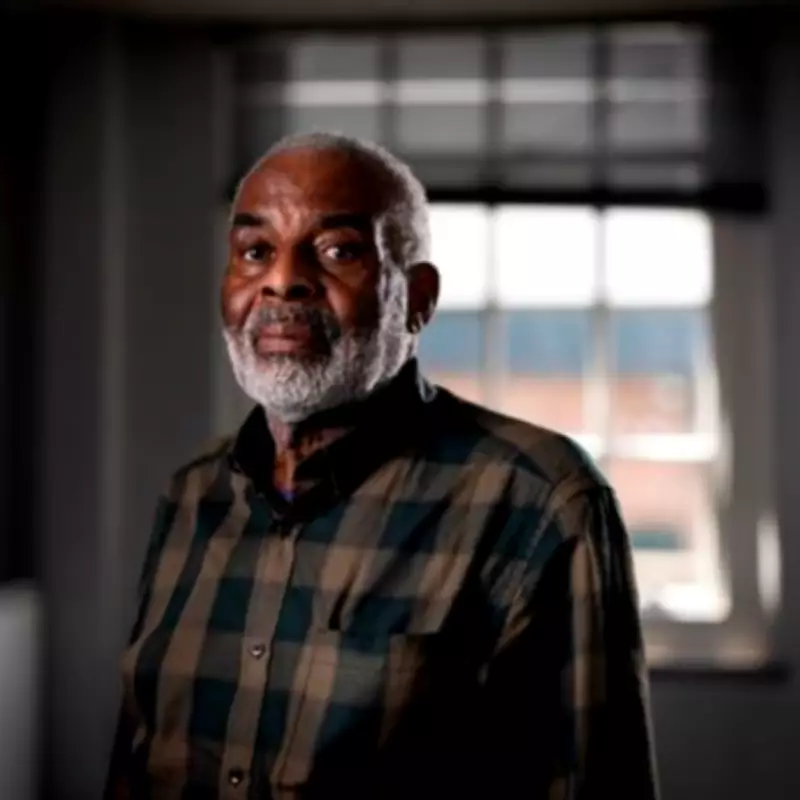
Stephen Lawrence's Father Warns Police Hate Crime Change Could Spark Violence
Neville Lawrence, the father of murdered teenager Stephen Lawrence, has expressed profound distress over plans to scrap the recording of non-crime hate incidents by police forces across the UK. This move directly contradicts a pivotal recommendation from the landmark 1999 Macpherson Report, which investigated the racist killing of his son.
Fears of Escalating Violence and Loss of Life
Mr Lawrence, aged 84, warned that abandoning the recording of these incidents could lead to dangerous consequences, including potential loss of life. He stated that without police investigation of racial incidents, public anger might boil over into violence, with individuals taking the law into their own hands.
"At least when a racial incident happens the police can go and investigate it. Without that being done a lot of people are going to get really angry and maybe turn to violence," he told the Daily Mirror. "People are going to take the law into their own hands and somebody might get killed."

He emphasised that this reversal undermines the progress made since the Macpherson Inquiry, returning to a time when such incidents were not systematically recorded.
Background of the Macpherson Report and Current Review
Sir William Macpherson's 1999 report into Stephen's murder explicitly recommended that the term "racist incident" should include both crimes and non-crimes, with both requiring reporting, recording, and investigation with equal commitment. Non-crime hate incidents (NCHIs) are defined as acts motivated by hostility or prejudice towards characteristics like race or gender, but which do not meet the threshold for a criminal offence.
However, a review by the National Police Chiefs' Council (NPCC) and the College of Policing is expected to recommend scrapping NCHIs. This has sparked controversy, with key figures resigning in protest, including Paul Giannasi, an advisor who stepped down over the issue.
Support for Non-Crime Hate Incident Recording
Advocates argue that recording NCHIs is crucial for identifying early warning signs that could escalate into serious crimes. They cite cases like Fiona Pilkington, who, after 33 recorded incidents of abuse, tragically killed herself and her disabled daughter in 2007. This data helps build trust in police by showing all forms of hate are taken seriously and informs policing strategy.
John Azah OBE, a member of the Hate Crime Independent Advisory Group, highlighted the practical implications: "If you say you are not going to investigate racist incidents, what will happen if Neville is walking down the street and someone spits at him? If you are not able to report that to the police, how can it be decided whether it reaches the criminal threshold?"
Police Response and Broader Context
Chief Constable Gavin Stephens, chair of the NPCC, stated that maintaining public confidence is a driving force, emphasising the need for a system that recognises vulnerability and identifies community tensions. Meanwhile, former Met detective Clive Driscoll, who led the probe into Stephen's killers, noted the Lawrence family would be unhappy if Macpherson's recommendations were not followed.
Stephen Lawrence was stabbed to death by a gang of youths in Eltham, south-east London, in 1993. His parents fought tirelessly for justice, facing a bungled police investigation and surveillance. Convictions for two killers came only in 2012, with the case closed in 2020.
The final decision on adopting the recommendations rests with the home secretary, as the debate continues over balancing policing resources with victim-led approaches in an increasingly polarised society.