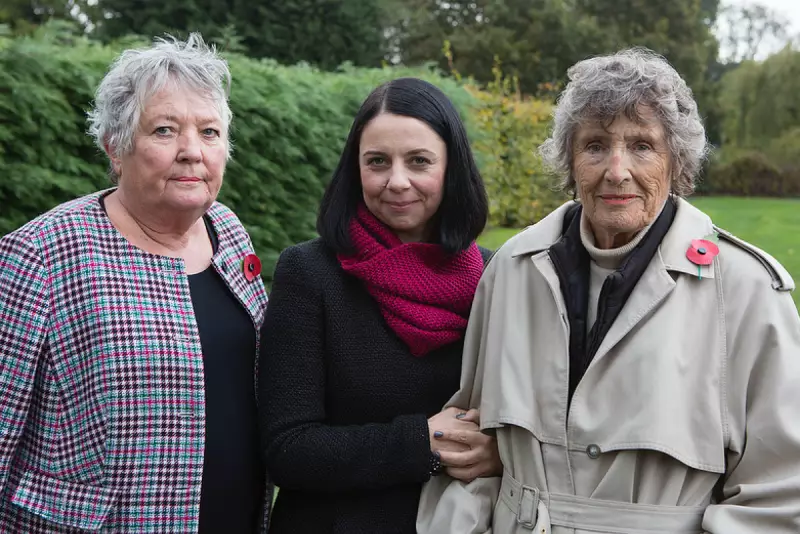
In 1986, the devastating disappearance of family friend and estate agent Suzy Lamplugh left a nation searching, but it exposed a painful gap in support for the families left behind. For two ordinary housewives from East Sheen in south-west London, Mary Asprey and Janet Newman, this personal tragedy ignited a mission that would grow into a national institution: the charity Missing People.
From a Back Bedroom to a National Helpline
Struck by the lack of dedicated support for those waiting at home, the sisters refused to stand by. With no official backing, they used sheer determination, begging and borrowing to launch the National Missing Persons Helpline from the back bedroom of Janet’s tiny flat. They recognised a disappearance was not solely a police matter, but a profound human crisis demanding a compassionate response.
The 24/7 service was quickly inundated. As calls from distressed families and missing individuals themselves flooded in, the operation grew. Volunteers rallied, forcing a move to a donated basement in Richmond. Their reach expanded so significantly that the helpline number was placed in every phone box across the country, becoming a ubiquitous symbol of hope.

A Legacy of Heart and Royal Recognition
In April 1993, demonstrating unwavering commitment, Mary and Janet re-mortgaged their homes to formally register the helpline as a charity. That same year, their remarkable work attracted a royal visitor: Princess Diana, who paid a visit to show her support. Janet’s daughter, Sash Newman, described her mother and aunt as "tour de forces" who were tremendous fun but never lost sight of their crucial goal.
Ross Miller, the charity's Fundraising and Communication Director, credits the founders with a seismic shift in public and police understanding. "One of the charity’s biggest achievements was making people realise that somebody going missing is a crisis," he said, noting this was not widely acknowledged in the 1980s. The charity helped change the belief that police could do little, advocating for and shaping more proactive responses.
A Critical Mission for Today's Vulnerable
Now named Missing People, the charity employs 92 staff and last year alone helped 10,000 people connected to missing cases. The founders' legacy, described by the charity as "one of heart," established a safe, non-judgemental space for support. This mission is more critical than ever, with the UK facing high suicide rates and the exploitation of young people.
Mary and Janet died in 2016 and 2021 respectively, but their work continues to evolve. The charity is currently supporting The Independent’s SafeCall campaign, which has successfully hit its initial target of £165,000. This funds a new, free service to help missing children find safety and support, ensuring the sisters' vision adapts to modern needs.
"Without the charity," Ross Miller explained, "there would be no sense that in that toughest moment... there is a space for you to come to for dedicated support and advice." From a back bedroom in East Sheen to a nationwide lifeline, the passionate action of two sisters continues to light the way home for the missing and their families.