Convictions of police officers for sexual offences have surged by more than a third since the murder of Sarah Everard, according to stark new figures obtained by The Independent. The data has been described as "shameful" by the Home Office and "frightening" by a former victims' commissioner, raising urgent questions about vetting and culture within forces across England and Wales.
A 'Frightening' Surge in Convictions
According to Freedom of Information responses from 26 of the 43 police forces in England and Wales, 59 police officers have been convicted of a sexual offence since the start of 2022. This period begins nine months after serving Metropolitan Police officer Wayne Couzens kidnapped, raped, and murdered Sarah Everard in March 2021.
This figure represents a 34 per cent increase compared to the 30 officers convicted in the period between 2018 and 2021. The latest convictions include officers found guilty of rape, sexual assault, and arranging the sexual exploitation of a child. All those convicted were men.

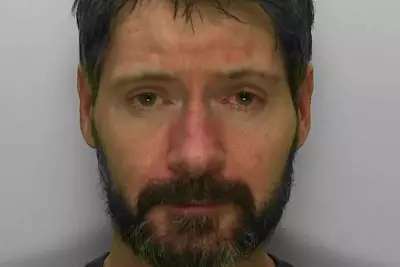
Among the convicted are former Greater Manchester Police officer Dean Dempster, who sexually abused a six-year-old girl while on duty, and former West Yorkshire officer Ben Bottomley, who committed rape and sexual assault before joining the force.
Systemic Failures in Vetting and Culture
The alarming statistics emerge despite promises of reform after Everard's murder and a mass screening of 307,000 police employees. They follow the damning findings of the Angiolini Inquiry, which revealed police forces had failed to fully implement key vetting recommendations made 18 months prior.
The inquiry's chair, Lady Elish Angiolini, warned that predators like Couzens—who had been reported for indecent exposure before joining the Met—could still be slipping through the net. She advocated for continuous, irregular vetting throughout an officer's career, not just at the point of entry.
Dame Vera Baird, the former victims' commissioner for England and Wales, said the figures were "frightening" and questioned how women could trust the police. "Why would any female victim of sexual abuse... have confidence, or trust in calling police when they need help," she asked, "when they are well aware that they may be putting themselves into the hands of another abusive man?"
Calls for Action and a Crisis of Confidence
The Home Office admitted the statistics were "shameful" and said they undermine public trust. A spokesperson stated the Home Secretary is committed to ensuring the "strictest standards in policing are upheld," citing reformed misconduct systems and stronger suspension powers.
However, MPs and campaigners insist far more is required. Shadow home secretary Chris Philp called the figures "shocking and unacceptable," stressing the need for continuous vetting to identify and remove risks. Labour MP Dawn Butler described the numbers as "shocking but sadly not surprising," calling for stricter checks, including holding DNA profiles of all Met officers.
Of the 59 convicted officers, 22 were from the Metropolitan Police. Two held the rank of sergeant or above, and none remain serving officers. The National Police Chiefs' Council stated that a "significant overhaul" of procedures is leading to more officers being identified and dismissed, with psychological assessments for recruits to be rolled out next year.
Andrea Simon, Director of the End Violence Against Women Coalition, noted that while the rise in convictions indicates greater accountability, policing still has a "long way to go" to dismantle cultures of sexism and racism and to properly support victims.