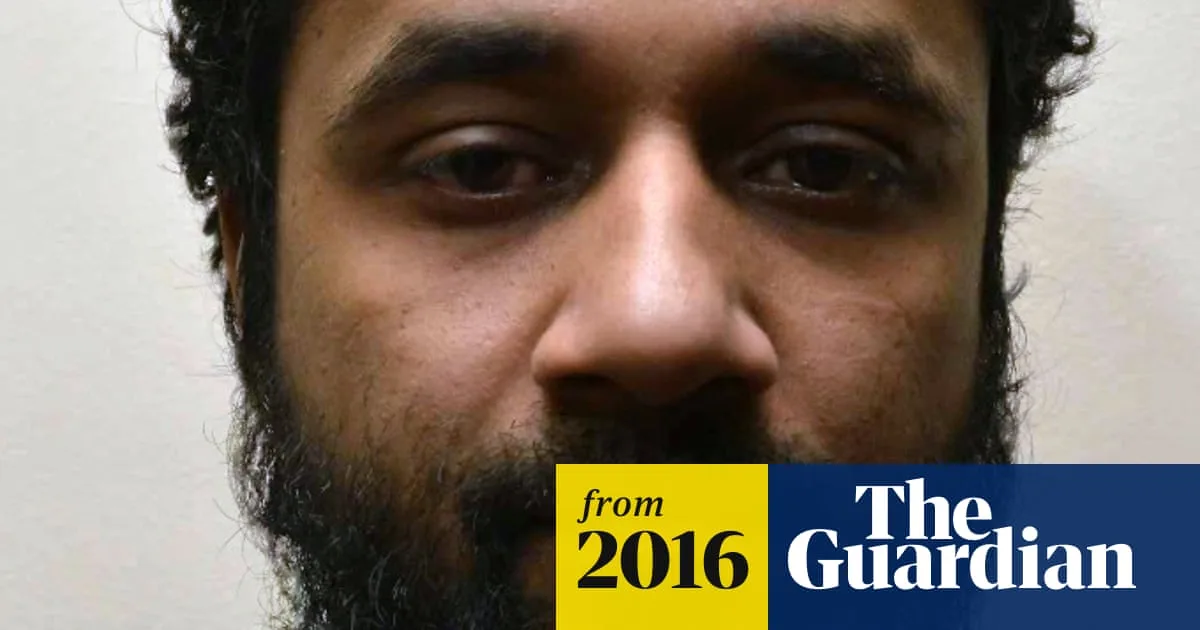
Eight Australian children caught up in the Syrian war after their parents joined Islamic State have been spirited out of the country. The group includes five family members of Khaled Sharrouf, an Australian terrorist who made international headlines in a photograph standing next to his young son holding a severed human head. The remaining three are the children of foreign fighter Yasin Rizvic and his wife, Fauzia Khamal Bacha, who joined Isis in 2014.
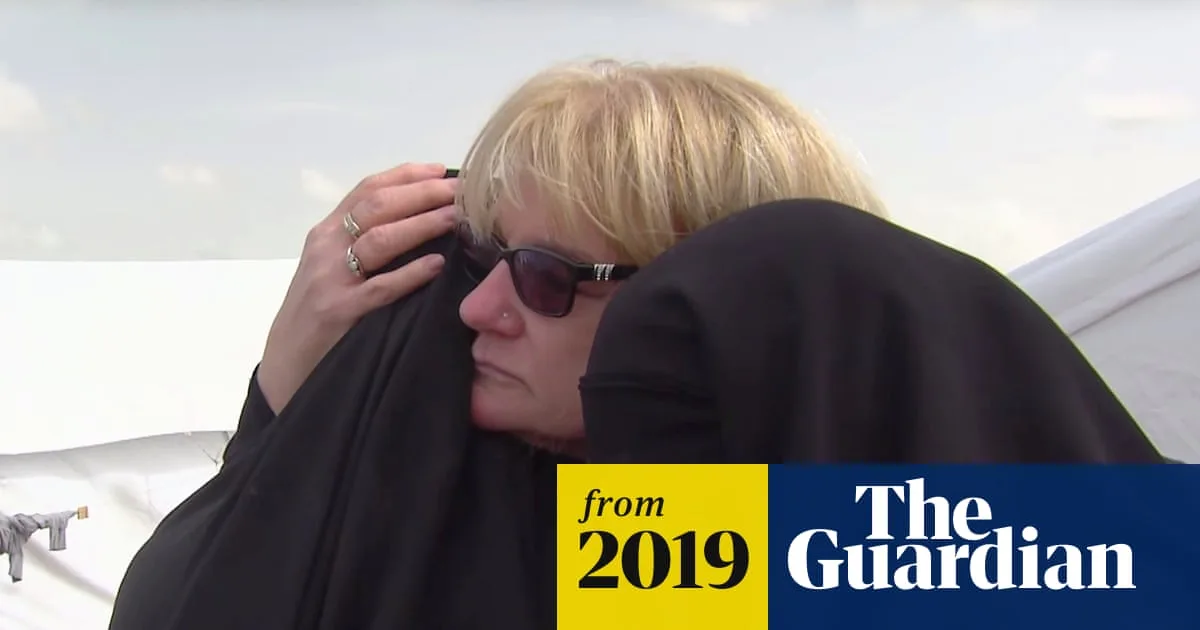
It is the first instance of Australian children of foreign fighters being rescued from the northern Syrian camps. The eight children crossed into Iraqi Kurdistan at 3:30pm local time on Sunday into the care of Australian officials. Sharrouf’s 17-year-old daughter, Zaynab, is heavily pregnant and has had health problems. Also repatriated were Zaynab’s two children, her younger teenage sister Hoda and their brother Hamzeh – who is under 10. They have been reunited with their maternal grandmother, Karen Nettleton.
All eight children are headed for Australia, but the Sharrouf children’s return will be delayed because of the impending birth of Zaynab’s baby. The Guardian was told all eight had undergone security assessments and checks, and that appropriate support structures, including psychological care, would be in place for them when they got home.

Australian Prime Minister Scott Morrison said the decision to repatriate the children was not made “lightly”. “As I have said repeatedly, my government would not allow any Australian to be put at risk,” he said. “The fact that parents put their children into harm’s way by taking them into a war zone was a despicable act. However, children should not be punished for the crimes of their parents.”
Sharrouf and his wife, Tara Nettleton, took their five children to Syria in 2014. Nettleton died from illness the following year and Sharrouf is believed to have died in 2017 alongside his eight- and nine-year-old sons in a US air strike. Rizvic, who was from Melbourne, was killed in 2016, and Bacha and her youngest son died in separate incidents later. The three remaining children are all under 12.
Human rights groups including Save the Children have repeatedly called on the Australian government to bring the children home. “No one is defending the actions of their parents, who must face justice,” the group said in April. “But we must defend the rights of every child. Australia has the power to repatriate these children.”