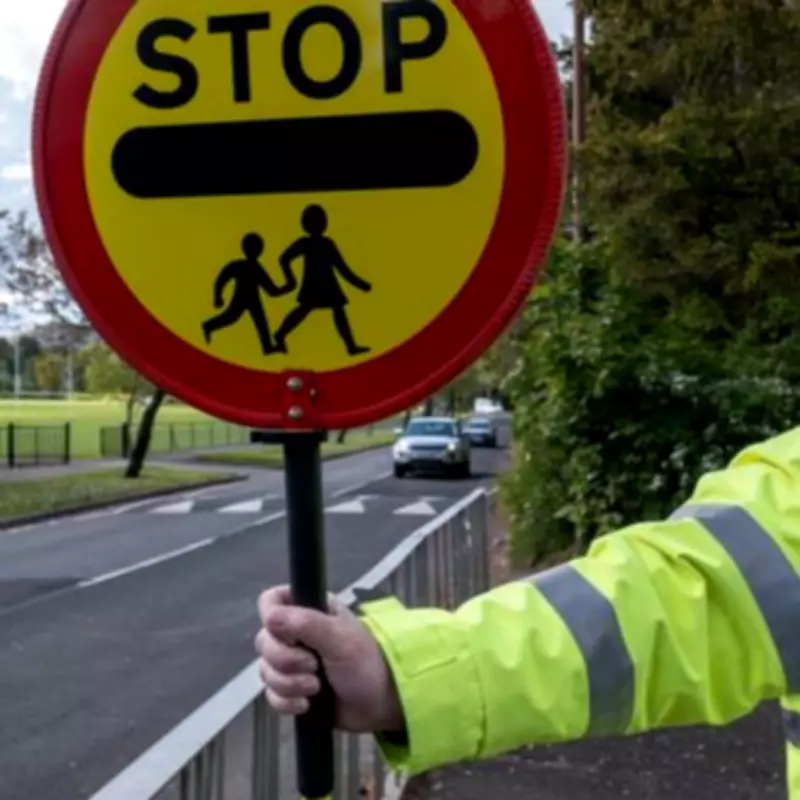
In a bold move to address the escalating issue of teen knife violence, the government has unveiled a new initiative that could see pupils chaperoned on their journeys to and from school. The Safety In and Around Schools Partnership, backed by £1.2 million in funding, aims to provide targeted support to up to 250 schools located in hotspots for knife crime, with the goal of diverting children from serious violence.
Targeted Support for High-Risk Areas
Under this comprehensive plan, headteachers will receive specialised training on assessing and managing knife crime risks within their school communities. Additionally, chaperones may be deployed along school routes to monitor and safeguard students during peak commuting hours. The scheme also includes mentoring programmes for pupils identified as being at high risk of involvement in violent incidents.
Hyperlocal Mapping and Phased Implementation
Schools will be selected using advanced hyperlocal mapping technology developed by the Home Office, capable of pinpointing knife crime hotspots with a precision of 0.1 square kilometres. This micro-geography approach allows authorities to identify specific streets and times where incidents are most prevalent. The Youth Endowment Fund (YEF) will deliver the programme in phases, beginning with early engagement in the current school year, followed by more intensive support in the next academic year.

Among the 250 schools receiving support, 50 located in areas with the highest rates of knife crime will benefit from enhanced access to local support services. This targeted intervention builds on a successful pilot chaperone programme conducted in the West Midlands during 2021-22, where ten local voluntary organisations provided staff as chaperones across 18 routes serving 24 schools.
Inspired by International Models
The 'Step Together' scheme draws inspiration from a similar programme in Chicago, where community organisations hire, train, and deploy neighbourhood residents along designated school routes. This community-based approach aims to create safer environments for students while fostering local engagement in violence prevention efforts.
Government Commitment and Statistical Context
Deputy Prime Minister David Lammy emphasised the government's determination to address knife crime, stating, "I am determined that this Government will be the one that finally turns the tide on knife crime, through the kind of sustained, coordinated action that gives the next generation a genuine chance." This initiative aligns with the broader 'Protecting Lives, Building Hope' plan, which outlines a roadmap to halve knife crime within a decade.
According to Home Office data, knife crime has decreased by 8% since the start of the current Parliament, with knife-related homicides and hospital admissions at their lowest level in a decade. However, research from the YEF in 2024 revealed that 33% of teenagers avoid certain places or social events due to fear of violence, and 22% experience mental health impacts such as sleep disruption and difficulty concentrating in school.
Community Voices and Calls for Expansion
Martin and Tara Cosser, founders of the charity Charlie's Promise after their 17-year-old son Charlie was fatally stabbed, welcomed the investment but urged for its expansion. "While this investment is very much welcomed, it must not be limited to specific areas," they said. "Knife crime affects communities across the UK, and we hope to see this level of commitment extended nationwide. Only through a consistent, country-wide approach rooted in prevention and education can we truly turn the tide and keep young people safe."
Crime and Policing Minister Sarah Jones highlighted the preventive focus of the initiative, noting, "No child should fear walking to school. That is why we must prevent violence from ever occurring. With the right support, the right opportunities and the right interventions in the right places, we can prevent harm long before a young person finds themselves in danger." Children's Minister Josh MacAlister added that the partnership would equip schools with additional tools and expertise to ensure children's safety and academic success.