Inquiry Hears Risk Assessment Was Not Sufficient Before Fatal Water Trip
A joint Fatal Accident Inquiry is currently examining two separate water-related deaths that occurred in Scotland. The inquiry has heard critical evidence regarding the adequacy of safety measures and risk assessments prior to these tragic incidents.
Kayden Walker's Death on River Tay
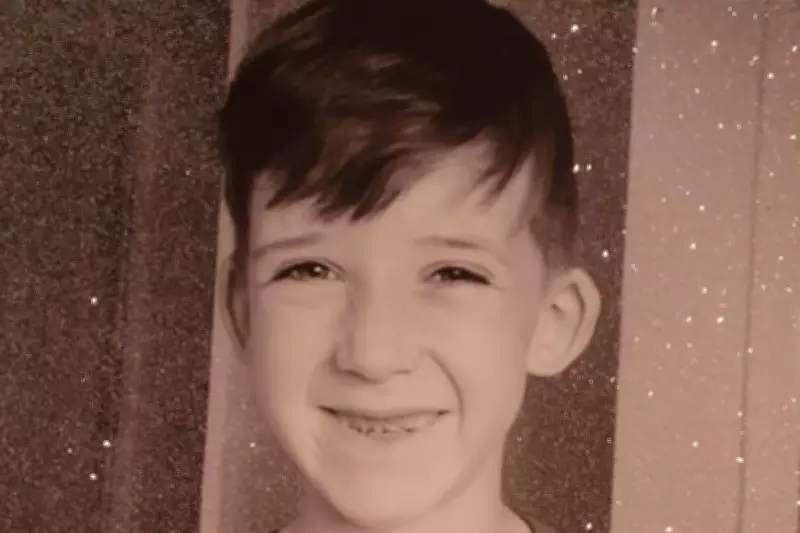
Kayden Walker, a 12-year-old boy from Glasgow who could not swim, died in July 2019 after becoming trapped on the upstream side of a weir during a river boarding trip. The activity was organized by the Church House community group and took place on the River Tay near Stanley, Perthshire.
Environmental health officer Katrina Pearson from Perth and Kinross Council testified that the risk assessment for the trip was not "suitable and sufficient." When asked by procurator fiscal depute Catherine Fraser if she considered the weir a high-risk location, Pearson responded "absolutely" and identified body entrapment as the primary hazard.
Pearson outlined several reasonable precautions that could have prevented the tragedy:
- Avoiding the weir entirely
- Not taking non-swimmers to such high-risk locations
- Implementing additional supervision
- Providing robust safety briefings
After being pulled from the water, Kayden was airlifted to Ninewells Hospital in Dundee before being transferred to the Royal Hospital for Children in Glasgow, where he died on July 29, 2019.
Prosecution and Company Fine
The inquiry follows the prosecution of Outdoor Pursuits Scotland Ltd in October 2024 for contravening health and safety legislation, which contributed to Kayden's death. The company was fined £10,000.
During cross-examination, Aimee Doran, representing Outdoor Pursuits, suggested Pearson was commenting from a general health and safety perspective without specific expertise in water-based activities. Pearson acknowledged this distinction, stating she was speaking "from the health and safety point of view, not technical aspects."
Second Fatality in Dollar Glen
The joint inquiry is also examining the death of 39-year-old Ruaridh Stevenson from Cupar, Fife, who drowned in April 2024 while attempting to assist a client experiencing difficulties in Dollar Glen, Stirlingshire. Stevenson was a director of a company offering canyoning experiences on Scottish rivers.
Peter Carroll, a volunteer assistant ranger with the National Trust for Scotland (NTS), testified that he helped administer CPR to Stevenson after a member of the public alerted him and NTS countryside ranger Laura Livingstone to the incident.
The accident occurred in an area known as the Devil's Cauldron, which Livingstone described as "a water feature hollowed out which forms a bowl that goes down about seven or eight feet." Carroll guided emergency services to the remote scene, which was inaccessible to vehicles, before entering the water himself to assist with resuscitation efforts.
Safety Concerns at Devil's Cauldron
Livingstone, who has been an NTS ranger for a decade, noted that water levels appeared "high" on the day of the incident and considered it "borderline" whether canyoners should have been in the water at all.
She revealed that the area around Devil's Cauldron has been fenced off since an incident approximately ten years ago when someone jumped in and died after hitting their head. Despite this precaution, Livingstone confirmed that canyoners frequently move the fence to access the area.
When asked by NTS representative Karen Railton whether warning signs would deter canyoners, Livingstone responded simply, "no." The inquiry also heard that a nearby section not managed by NTS remains unfenced.
The Fatal Accident Inquiry continues before Sheriff Keith O'Mahony at Falkirk Sheriff Court, with both cases highlighting significant concerns about risk assessment protocols and safety measures in outdoor water activities across Scotland.