The head of the National Police Chiefs' Council (NPCC) has demanded the most radical restructuring of British policing in a hundred years, proposing that up to 70 per cent of chief constables should lose their jobs to make way for larger, more efficient regional and national forces.
A Century-Old Model in Need of Overhaul
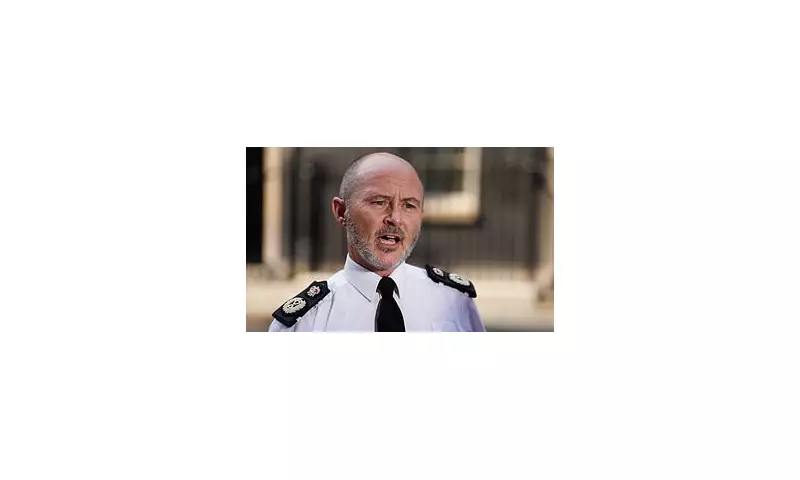
Gavin Stephens, who chairs the NPCC, argues the current system of 43 separate police forces in England and Wales is outdated and inefficient. He believes the number should be slashed to between 10 and 20, with the creation of a powerful new national agency to tackle serious and organised crime. This 'super force' would amalgamate the National Crime Agency, counter-terrorism policing, and other specialist units.
Mr Stephens, speaking ahead of a crucial White Paper expected next week, stated the existing model leads to wasteful duplication. 'We don't need 43 people doing the same jobs,' he said. 'In our 43-plus force model there is lots of repetition and duplication. There are too many cooks.' He estimates that streamlining procurement, IT, and forensic services into a single national body could free up hundreds of millions of pounds to be redirected into frontline crime fighting.

A New Tax to End the 'Postcode Lottery'
Central to the proposed reforms is a complete redesign of police funding. Stephens wants to remove the police precept from council tax and replace it with a separate, uniform national levy. This, he claims, would resolve the current 'postcode lottery' where some households pay nearly three times more for their local police service than others, despite receiving a potentially poorer level of service.
The current funding formula relies on local population data that is a decade old and deprivation figures from 2001. 'Some people are paying more for their policing than others and some people are getting less service than others,' Stephens emphasised. The new system aims to be fairer and provide a stable financial base for the proposed consolidated forces.
Support and Scrutiny from the Top
The radical vision has received significant backing from Sir Mark Rowley, the Commissioner of the Metropolitan Police, Britain's most senior officer. Sir Mark agreed policing is at a 'once in a generation turning point', describing a model 'built for the 1960s and stretched beyond what it can support.' His support comes despite the plan meaning Scotland Yard would lose its counter-terrorism command to the new national agency.
Stephens is ambitious for the proposed national organisation, envisaging a 'national agency to rival the best in the world - better than the FBI,' led by a 'super chief'. It would handle complex, cross-border crimes and provide advanced technological support, such as systems capable of scanning days of CCTV footage in minutes.
However, the plan is not without its critics or cautionary tales. The Police Federation of England and Wales warned that simply 'cutting the same size cake 10 or 20 ways rather than 43' would not deliver the change needed. Furthermore, the experience of Police Scotland, formed in 2013 by merging eight regional forces, has been marked by management crises, funding issues, and falling detection rates.
Stephens, however, remains resolute. He stressed his plans would not cut police officer numbers and promised communities would retain their local 'beat bobby'. The goal, he said, is to harness technology and consistency to identify offenders faster, bring more people to justice, and better combat modern digital crime. 'We need the most significant change in policing in the last half a century,' he argued, 'to get policing ready to fight crime over the next half a century.'