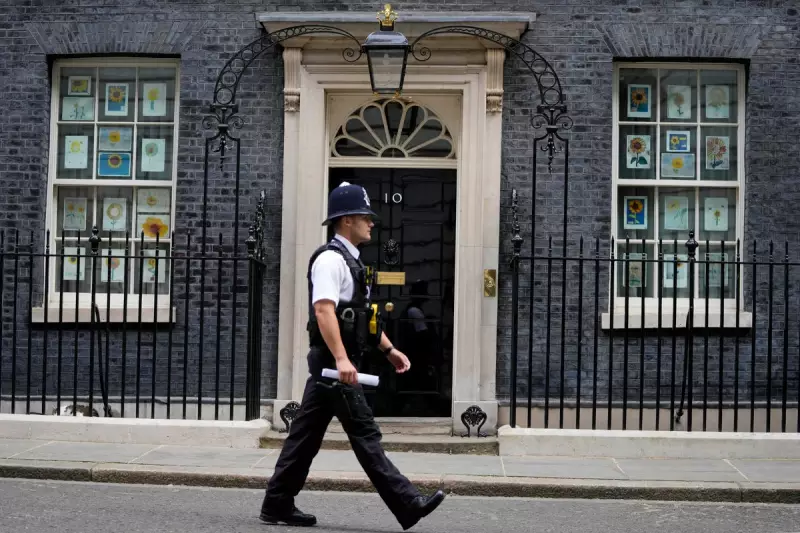
Police chiefs are preparing to formally recommend the abolition of the controversial system for recording non-crime hate incidents (NCHIs). The proposal is set to be put before the Home Secretary next month, marking a significant shift in policing priorities.
Why the System is Being Abandoned
The planned move follows sustained criticism that the current framework for logging NCHIs has placed an undue burden on police resources and created a chilling effect on freedom of speech. Senior figures argue that officers have been diverted from tackling actual crime to investigating incidents which, by definition, do not constitute a criminal offence.
Lord Herbert, the chairman of the College of Policing, has confirmed that the existing system will be entirely replaced. In its stead, a new 'common sense' approach is being developed. This revised system will focus solely on recording the most serious cases of anti-social behaviour, ensuring such reports are kept separate from official crime databases.

The Metropolitan Police Leads the Way
This national policy change follows a decisive step taken by the Metropolitan Police in October. The UK's largest force ceased proactive investigations into non-crime hate incidents. Commissioner Sir Mark Rowley publicly supported this change, stating it resolved an 'impossible position' for his officers, who were often caught between community tensions and the legal thresholds for crime.
Implications and Next Steps
The overhaul represents a major win for campaigners who have long argued that the NCHI process was misused and harmed public trust. The key outcomes of the new policy will be:
- A sharp reduction in recorded incidents, freeing up officer time for frontline crime-fighting.
- Clearer guidelines to prevent perceptions of infringing on lawful free expression.
- Greater consistency across all police forces in England and Wales.
The final decision now rests with the Home Secretary, who will review the formal proposal expected in the coming weeks. This move signals a pivotal turn towards a more pragmatic and resource-focused model of policing for the United Kingdom.