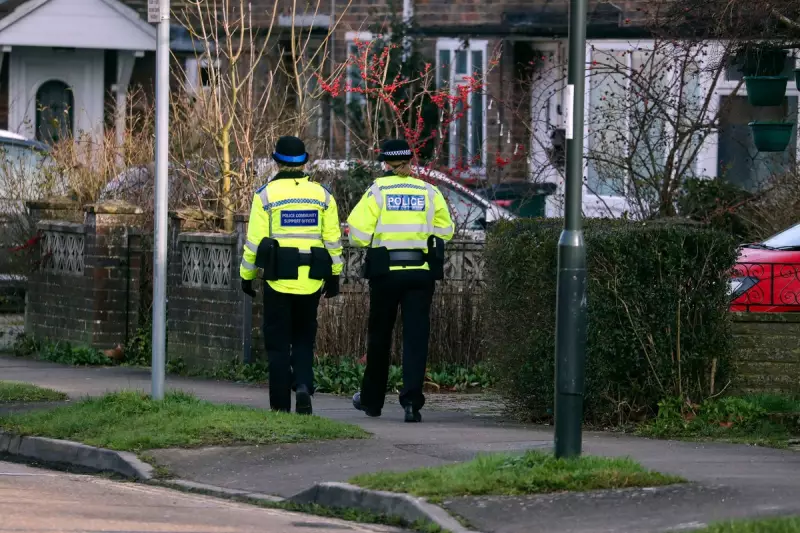
Senior police leaders are poised to recommend the abolition of the system for recording non-crime hate incidents (NCHIs), branding it outdated and in need of replacement with a 'common sense' alternative. This major shift in policy follows the Metropolitan Police's own decision in October 2025 to stop investigating such incidents.
What Are Non-Crime Hate Incidents?
Non-crime hate incidents are records of actions perceived to be motivated by hostility or prejudice towards protected characteristics like race, religion, or gender, but which do not reach the criminal threshold. Introduced in 1999, they have been used by forces to log potential tensions and gather data on incidents that could escalate.
However, critics argue the system has drawn police into monitoring online spats and trivial disputes, damaging public trust. The issue gained prominence after comedian and Father Ted creator Graham Linehan was arrested at Heathrow Airport in September over social media posts concerning transgender issues, but faced no further action.

The Push for a New 'Common Sense' Approach
The National Police Chiefs' Council (NPCC) and the College of Policing will publish a comprehensive review of public order and hate crime laws next month. According to reports, it will formally call for the NCHI framework to be scrapped.
Lord Herbert of South Downs, Chairman of the College of Policing, confirmed the move, stating the concept would 'go' as it is no longer fit for purpose. He told The Telegraph that recent headlines about NCHIs had been 'awkward and very damaging' for police forces.
'It was quite clear that the whole regime needed looking at, that there was a perception that the police were being drawn into matters that they shouldn't have been,' he added.
What Would Replace the Current System?
The proposed new system would treat reports not as entries on a crime database but as intelligence reports. Officers would be given a clear, 'common sense' checklist to apply before deciding on any action, aiming to ensure police focus is proportionate.
Under the planned changes, only the most serious incidents would be formally recorded, likely categorised as anti-social behaviour. This aims to balance community concerns with the protection of free speech.
The final review will be presented to the Home Secretary, Shabana Mahmood, next month. A Home Office spokesperson said the government sought a 'consistent, common-sense approach that protects the fundamental right to free speech' and awaited the review's findings.