Derbyshire Constabulary has been ordered to pay a substantial fine of £60,000 following a serious incident during a riot training exercise that left four police officers with significant burns. The Health and Safety Executive (HSE) investigation revealed that officers were exposed to "significant and avoidable risks" during the simulated public disorder training on 2 February 2021 at a facility in Rotherham, South Yorkshire.
Training Exercise Goes Dangerously Wrong
The ill-fated training session involved thirteen officers wearing what was believed to be flame-retardant personal protective equipment (PPE) while facing petrol bombs thrown by their colleagues. Despite the protective gear, four officers suffered burns to their lower bodies, with three requiring immediate hospital treatment for their injuries.
While all four affected officers have since returned to duty, the HSE confirmed that the injuries resulted in permanent scarring and psychological harm that is expected to have lasting effects on their wellbeing. The incident has raised serious questions about safety protocols during high-risk police training exercises.

Systemic Failures Identified
The HSE investigation uncovered multiple failures in the constabulary's approach to the training exercise. Investigators found that Derbyshire Constabulary failed to provide officers with adequate information about their protective equipment to ensure it would actually provide the promised protection.
Furthermore, the force failed to conduct a suitable risk assessment for the production and deployment of petrol bombs during the training. The HSE also determined that the constabulary failed to implement safe systems of work to control the "foreseeable risks created in the course of petrol reception training."
Court Proceedings and Financial Penalties
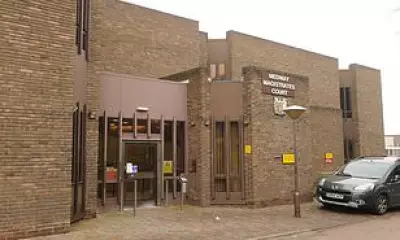
At Sheffield Magistrates' Court on Monday, Derbyshire Constabulary pleaded guilty to breaching health and safety law and was subsequently fined £60,000. The force was also ordered to pay £9,470 in costs, bringing the total financial penalty to nearly £70,000.
HSE inspector Jennifer Elsegood commented on the case, stating: "Being a serving police officer is a job that carries with it levels of risk, however while preparing officers for dangerous situations is important, it must never come at the expense of their safety."
She emphasised that "high-risk training activities must be planned and controlled with the same care and professionalism expected in any other workplace" and expressed hope that the case would reinforce the importance of thorough risk assessment and robust equipment assurance.
Force Leadership Responds
Derbyshire's Chief Constable Rachel Swann acknowledged the seriousness of the incident, stating: "The injuries to the officers were serious and that officers were harmed during their training is something that has been taken very seriously."
However, she noted that the risk assessments found to be inadequate related specifically to the handling, transport and delivery of petrol, and were not directly linked to the injuries suffered by the officers. According to Swann, the injuries are believed to have occurred due to a failure of the personal protective equipment itself.
"We recognise that the risk assessments should have been regularly reviewed and updated and acknowledge that in failing to do so officers were put at risk, and we have apologised to those involved," Swann stated.
The Chief Constable emphasised that the force has "learned the lessons from this failure" and since 2021 has worked to ensure that risks associated with dangerous training elements are reduced to the lowest possible level. She reaffirmed the force's commitment to officer welfare and safety, stating they "continue to work tirelessly to make sure the training is as safe as it can be in all respects."
This case highlights the critical importance of proper safety protocols even in training environments designed to prepare officers for dangerous situations. The substantial fine serves as a stark reminder to all emergency services that training exercises must be conducted with the same rigorous safety standards expected in operational scenarios.