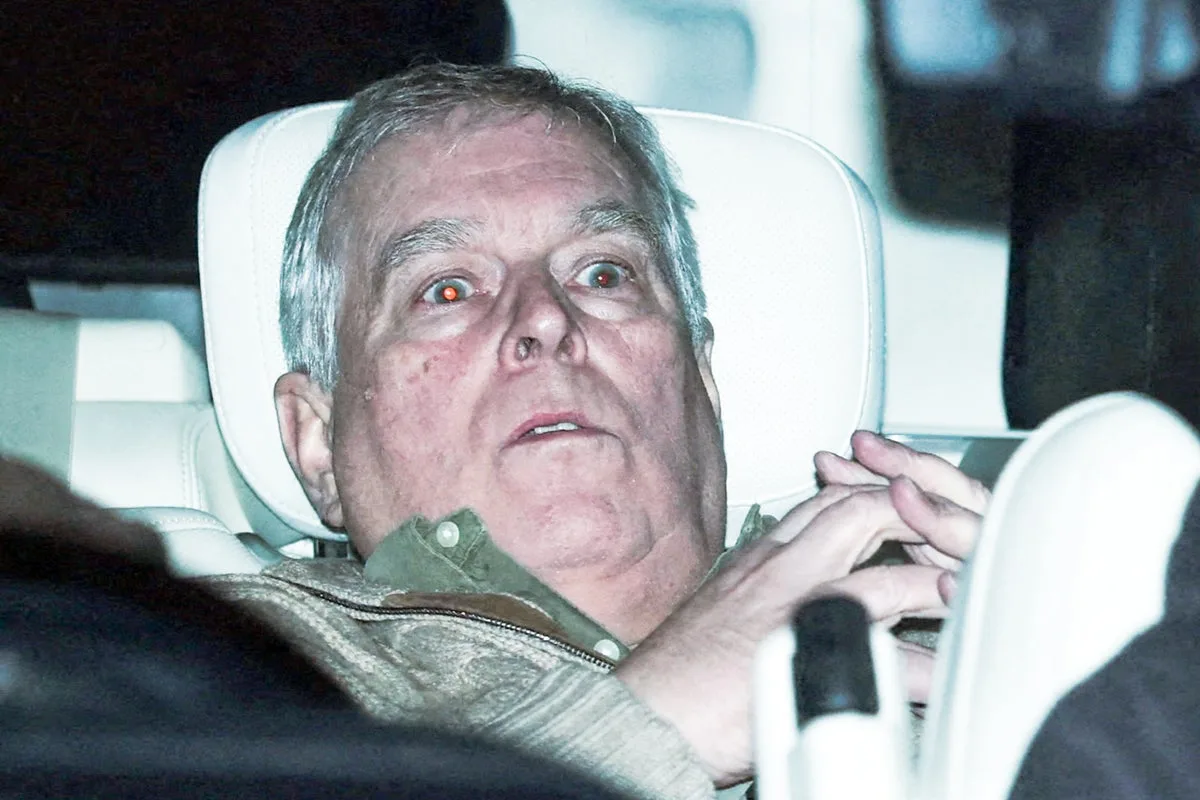
The arrest of Andrew Mountbatten-Windsor, the first senior royal in modern history to be taken into custody, has been described by royal expert Craig Prescott as 'the most spectacular fall from grace for a member of the royal family in modern times.' The former prince faces investigation for misconduct in public office over his ties to convicted paedophile financier Jeffrey Epstein, including allegations of sharing sensitive information while serving as the UK's trade envoy.
Thames Valley Police arrested him at Sandringham Estate on his 66th birthday, after days of careful planning by senior officers. A police officer applied for a search warrant, persuading a magistrate of the necessity to raid both the Royal Lodge in Windsor and his current home, Wood Farm. Dozens of officers arrived in unmarked cars around 8am, supported by Norfolk Constabulary, having driven over 120 miles from Kidlington, Oxfordshire.
Home Secretary Shabana Mahmood was alerted shortly before the arrest, but neither the King nor Buckingham Palace was given prior warning. Detectives selected for the operation were kept in the dark until the early hours, with some possibly required to hand over mobile phones before the final briefing. Mountbatten-Windsor was arrested at the scene, read the police caution, and taken to Aylsham police station for formal interview.

Upon arrival, he was checked in by a sergeant, searched, and subjected to a risk assessment for medical conditions or substance use. He was informed of his rights, including free legal advice and the right to notify someone. He was likely fingerprinted before being placed in a cell with a bed and toilet, and may have been offered refreshments. Former Metropolitan Police chief Dal Babu noted the pressure on Thames Valley Police to ensure his wellbeing given the public nature of the arrest.
Under UK law, a suspect can generally be held for up to 24 hours, extendable to 96 hours with approval. Babu suggested Mountbatten-Windsor would likely be released under investigation after a prepared interview, with his lawyer possibly advising a 'no comment' response. The investigation continues, with Prescott warning 'it may not be over yet.'