Police in London have been forced to issue a public clarification following a significant backlash over the sudden closure of a prime fireworks viewing location on New Year's Eve.
Unprecedented Closure Sparks Local Anger
Residents living near Primrose Hill in Camden have expressed fury after discovering the popular park would be inaccessible for the capital's famous midnight display. The normally open green space, which offers panoramic views across London, has been sealed off with opaque green hoarding and temporary fencing in what locals have called an "unprecedented" move.
The park, which last year attracted an estimated 30,000 revellers, has had its gates locked since 8pm on Tuesday, 31 December. They are not scheduled to reopen until 6am on New Year's Day, shattering the plans of thousands who traditionally celebrate there.

Police Point to Royal Parks Decision
In response to the growing public outrage, the Metropolitan Police released a statement to clarify their position. A spokesperson emphasised that the decision to close the park was not made by the police force.
Instead, the authority stated the call was taken by The Royal Parks, the charity that manages the site. The reason cited was substantial "challenges in providing the necessary crowd management" to safely accommodate the huge numbers of people expected.
This last-minute implementation of solid hoarding around much of the perimeter has left the community shocked and disappointed, with many only learning of the closure as they arrived.
Impact on New Year Celebrations
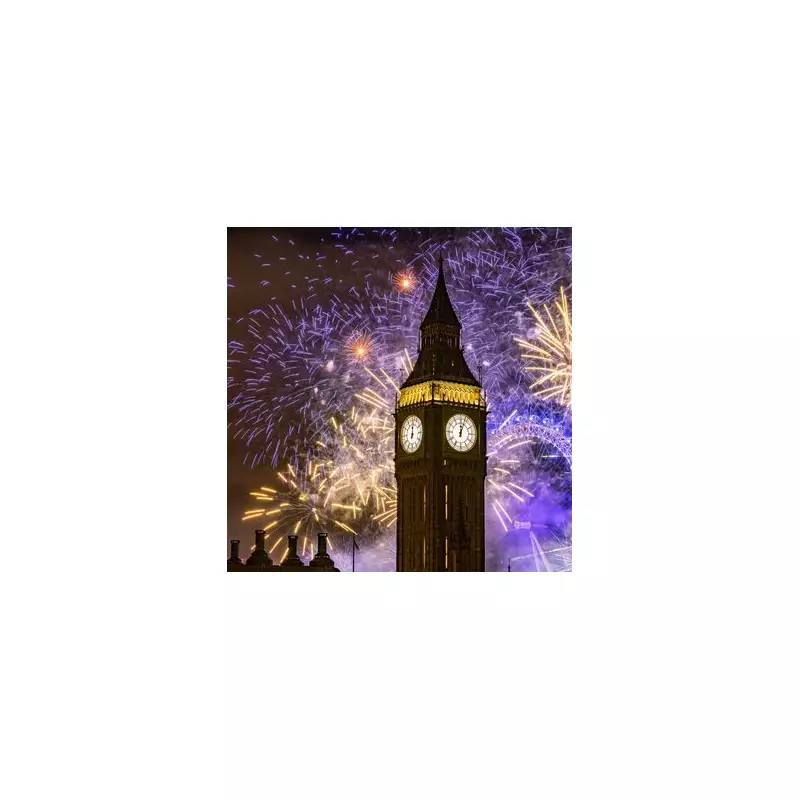
The closure of Primrose Hill represents a major shift in how London manages one of its biggest annual public events. For years, the hill has been a favoured, free alternative for viewing the ticketed fireworks display centred on the London Eye and South Bank.
The Royal Parks' decision highlights increasing concerns about managing large, un-ticketed crowds in open spaces. While parts of the park are only secured with temporary fencing, the core viewing areas are behind solid barriers, completely preventing entry.
This development forces an estimated 30,000 people to seek alternative locations across the city at short notice, significantly altering the dynamics of New Year's Eve celebrations in the capital and prompting a broader discussion about public space access during major events.